Why Won’t My Cat Eat? Causes and When to See a Veterinarian
A cat not eating can signal illness, pain, or stress. Learn common causes and when to seek veterinary care.
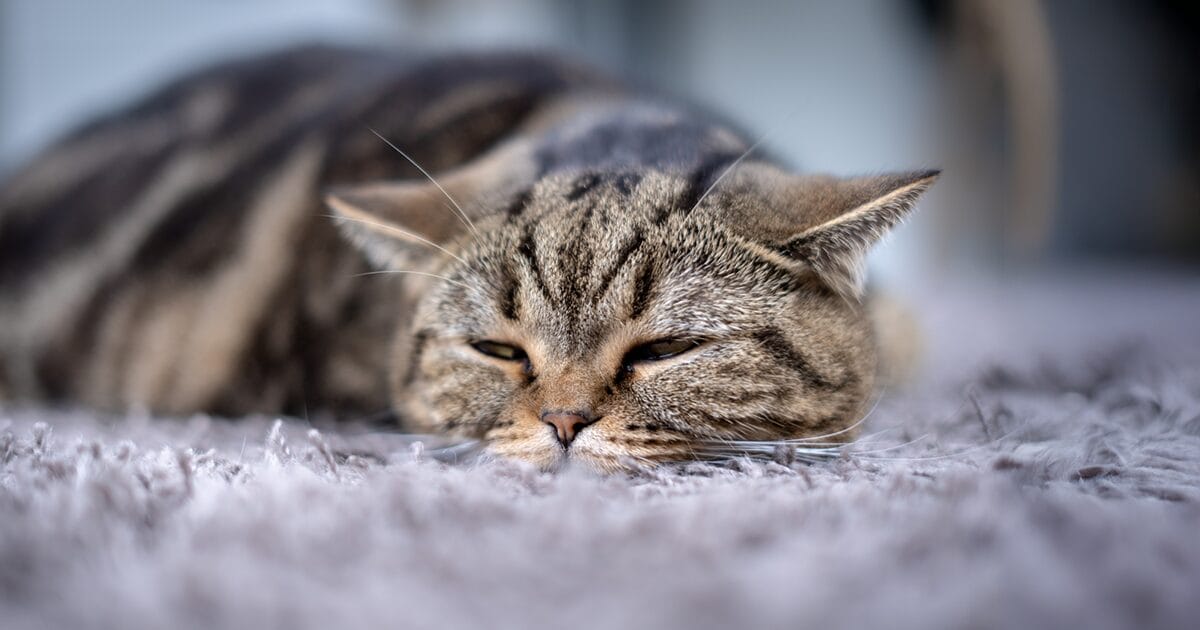
A cat that suddenly stops eating is rarely just being stubborn, and it is not something to ignore. A loss of appetite can be one of the earliest signs of illness or pain. Because cats can develop serious complications after only a few days without food, contact your veterinarian if your cat is not eating normally.
Is It Normal for Cats to Skip Meals?
Unlike many dogs, cats are often more selective about what, when, and sometimes even where they eat. A stressful event, a change in their environment, travel, hot weather, a recent vaccination, or a food change may temporarily affect their appetite.
Even so, most healthy cats have consistent eating habits. If your cat suddenly stops eating or begins eating much less than usual, it’s worth paying closer attention.
Instead of focusing only on whether your cat is eating, look for other changes. Ask yourself:
- Are they still drinking water?
- Are they interested in treats or wet food?
- Are they hiding more than usual?
- Have they lost weight?
- Do they seem painful or less active?
- Are they sneezing or congested?
Cats tend to stick to their routines even when they are sick, so a change in appetite may be one of the first signs that they do not feel well.
Why Cats Stop Eating: Common Causes
Digestive upset can make cats lose interest in food. Hairballs, constipation, inflammatory bowel disease, pancreatitis, parasites, dietary indiscretion, foreign objects causing obstruction of the stomach and/or intestines, and other digestive problems can cause nausea that makes eating unappealing. You may also notice vomiting, drooling, lip smacking, or hiding.
Dental disease and mouth pain are also common reasons cats may stop eating. Broken teeth, severe dental disease, mouth ulcers, oral tumors, or inflammation can make eating painful. Cats may approach their food bowl, sniff the food, eat only a few bites, or walk away. Bad breath, dropping food, pawing at the mouth, swelling of the mouth or lips, or chewing on one side can all be signs of oral pain.
Upper respiratory infections can also cause cats to stop eating. Because cats rely heavily on their sense of smell, congestion from a respiratory infection can make food much less appealing.
Pain elsewhere in the body can also reduce appetite too. Arthritis, injuries, urinary tract disease, abdominal pain, and other painful conditions may leave cats too uncomfortable to eat normally.
Cats Should Not Go Several Days Without Eating.
Cats, especially overweight ones, can develop serious complications after just a few days without adequate nutrition. If your cat refuses food for more than 24 hours, eats only small amounts, or shows signs like vomiting, hiding, weight loss, or difficulty breathing, contact your veterinarian promptly.
Stress and anxiety can also affect appetite as well. Cats often do best with a predictable routine, so moving, introducing a new pet, remodeling your home, boarding, or other household changes can temporarily decrease their appetite.
Many illnesses can affect appetite, including chronic conditions such as kidney disease, liver disease, diabetes, feline hyperthyroidism, and cancer. Older cats may gradually lose weight or become less interested in food as chronic illnesses develop.
One reason appetite loss is especially concerning in cats is the risk of hepatic lipidosis, also known as fatty liver disease. When an overweight cat stops eating for several days, their body tries to use fat for energy but doesn’t do this appropriately and fat can build up in the liver and lead to a potentially life-threatening condition. This is why cats that stop eating, especially overweight cats, should be evaluated promptly rather than monitored at home for several days.
When Is a Cat Not Eating an Emergency?
Cats can develop serious complications after just a few days without enough nutrition, so a cat that is not eating should be evaluated promptly.
Seek emergency veterinary care if your cat is not eating and also:
- Has repeated vomiting
- Has severe diarrhea
- Has difficulty breathing
- Appears weak, collapses, or cannot stand normally
- Has pale gums or yellowing of the eyes, gums, or skin
- Has a swollen or painful abdomen
- May have eaten a toxin or swallowed a foreign object
- Is straining to urinate or cannot urinate
- Becomes increasingly lethargic or hides continuously
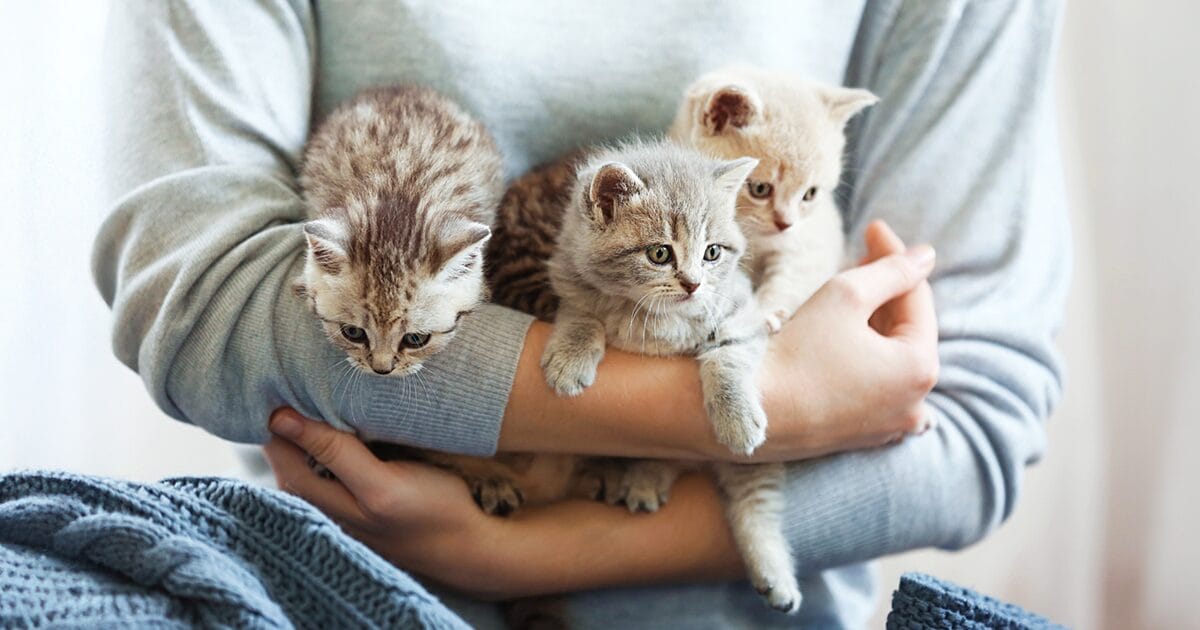
Kittens should be evaluated promptly if they refuse food. They can become dehydrated or develop low blood sugar much more quickly than adult cats.
If your adult cat refuses food for longer than 24 hours, or eats only very small amounts during that time, contact your family veterinarian, even if they seem otherwise comfortable. Cats should not go for several days without eating, particularly if they are overweight or have underlying medical conditions.
How Veterinarians Diagnose Appetite Loss in Cats
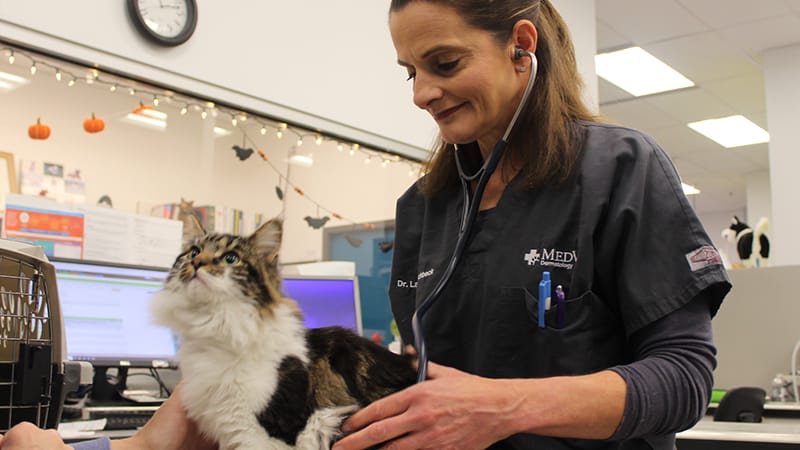
Because many different conditions can affect a cat’s appetite, your veterinarian will ask about your cat’s recent health and perform a physical examination.
They may ask when your cat last ate normally and whether your cat has been vomiting, having diarrhea, drinking more or less than usual, losing weight, hiding, or acting differently. They’ll also want to know about recent diet changes, possible toxin exposure, medications, or changes in the home environment.
Depending on the examination findings, your veterinarian may recommend additional testing to help identify the cause of your cat’s lack of appetite and help create an appropriate treatment plan. These test may include blood work, urinalysis, X-rays, ultrasound, or other tests. If dental disease or an oral problem is suspected, a sedated oral examination may also be recommended.
These tests help identify why your cat is not eating so your veterinarian can recommend the right treatment plan.
What to Do If Your Cat Won’t Eat
If your cat skips one meal but otherwise seems comfortable and is drinking water, you may be able to monitor them closely for a short period.
Offer your cat’s regular food or try gently warming canned food to increase its aroma. The added smell may make the food more appealing, and it can be especially helpful If nasal congestion is making it harder for your cat to smell their meal. Avoid repeatedly changing foods or offering large amounts of treats or table food, as this can worsen digestive upset and make it harder for your veterinarian to understand what is causing the appetite change.
Keep fresh water available, do not force-feed your cat, and do not give human medications unless your veterinarian specifically recommends them.
If your cat is not eating normally within 24 hours, contact your family veterinarian for guidance.
"A cat that suddenly stops eating is rarely just being stubborn. Changes in appetite are often one of the earliest signs that something isn't right."
– Gloriana L. Halterman, DVM
Why Appetite Matters So Much in Cats
A healthy appetite is an important indicator of your cat’s overall health. Even subtle changes in eating habits can signal an underlying problem, and early veterinary care can help identify issues and get your cat treatment sooner.
Your family veterinarian is the best place to start if your cat is not eating normally. If your cat needs hospitalization, emergency care, or specialized treatment, MedVet’s emergency and specialty teams are here to work with your family veterinarian on the next steps.
Learn more ways to keep your pets healthy and safe.
About MedVet
MedVet is a nationwide network of emergency and specialty hospitals founded, owned, and led by veterinarians. Our teams provide 24/7 emergency care alongside a wide range of specialty services, with board-certified specialists collaborating across disciplines to deliver advanced, compassionate care for pets and the people who love them.
Find a MedVet location near you.
FAQs
Why is my cat not eating but acting normal?
Some cats may eat less because of stress, environmental changes, hot weather, or a recent food change. However, appetite loss can also be an early sign of illness, so contact your veterinarian if your cat does not return to normal eating within 24 hours.
How long can a cat safely go without eating?
Cats should not go several days without food. Even after a short period of poor appetite, especially in overweight cats, serious conditions such as hepatic lipidosis (fatty liver disease) can develop.
What should I feed a cat that won't eat?
Offer your cat their regular food or gently warm canned food to increase its smell and appeal. Avoid repeatedly changing foods, offering large amounts of treats, or giving human medications unless your veterinarian recommends them.
Is a cat not eating an emergency?
A cat that is not eating and also has vomiting, trouble breathing, weakness, abdominal pain, difficulty urinating, or possible toxin exposure should receive emergency veterinary care.
Learn More
For ways to ensure your pet lives a happier, healthier life, visit our Pet Care Resources library.
Pet Care ResourcesShare




Contents
Learn More
For ways to ensure your pet lives a happier, healthier life, visit our Pet Care Resources library.
Pet Care Resources