
Understanding Lethargy in Dogs and Cats: When to Worry and When to Watch
Occasional tiredness can be normal, but persistent or sudden lethargy—especially with other signs—may signal a serious pet health issue.
As pet parents, we know our furry companions better than anyone. We notice when their tail wags a little less enthusiastically or when they’d rather snooze than play fetch. But how do you know when your pet’s tiredness is just them having an off day versus a sign that something more serious is going on? Let’s explore lethargy in dogs and cats, helping you understand what’s normal, what’s concerning, and when it’s time to seek veterinary care.
"Lethargy isn’t just tiredness—it’s a change in your pet’s normal energy, behavior, and responsiveness. Early evaluation of lethargy often leads to faster diagnosis and better outcomes."
– Liz Lee, DVM, Diplomate, ACVIM (SAIM)
What Is Lethargy in Pets?
Lethargy is more than just being tired. It’s a noticeable decrease in your pet’s energy level, activity, and responsiveness. While all pets need their beauty sleep—cats can snooze up to 16 hours a day, and dogs need 12-14 hours—lethargy is different from normal rest. A lethargic pet lacks their usual enthusiasm for activities they typically love, whether that’s greeting you at the door, chasing their favorite toy, or perking up at dinnertime.

What’s Normal?
Before we discuss warning signs, let’s talk about when decreased activity is perfectly normal. Puppies and kittens are bundles of energy that tire quickly, followed by long naps to recharge. Senior pets naturally slow down as they age, preferring shorter walks and longer rests. After vigorous exercise or an exciting day at the dog park, your dog might be more subdued than usual—that’s expected and healthy.
Weather plays a role, too. On hot summer days, pets conserve energy to stay cool. Some dogs and cats are also more laid-back by nature or breed. A Basset Hound will naturally have a different energy level than a Border Collie, just as a Persian cat may be mellower than a Bengal.
Red Flags: When Lethargy Isn’t Normal
The key to identifying concerning lethargy is knowing your pet’s baseline behavior. Trust your instincts—you know when something feels off. Here are signs that warrant attention:
- Sudden Changes: If your normally energetic dog suddenly has no interest in their daily walk or your playful cat ignores their favorite feather toy, take notice.
- Prolonged Duration: A day or two of tiredness might not be alarming, but lethargy lasting more than 24-48 hours deserves investigation.
- Accompanying Signs: Lethargy rarely travels alone when illness is involved. Watch for:
- Decreased appetite or refusing food entirely
- Vomiting or diarrhea
- Difficulty breathing or rapid breathing
- Pale or discolored gums
- Weakness or stumbling
- Hiding behavior (especially in cats)
- Whining, groaning, or signs of pain
- Excessive thirst or urination changes
- Fever (normal temperature is 100.5-102.5°F for dogs, 100.5-102.5°F for cats)
- Unresponsiveness: If your pet seems mentally “not there,” doesn’t respond to their name, or appears confused, this is serious.
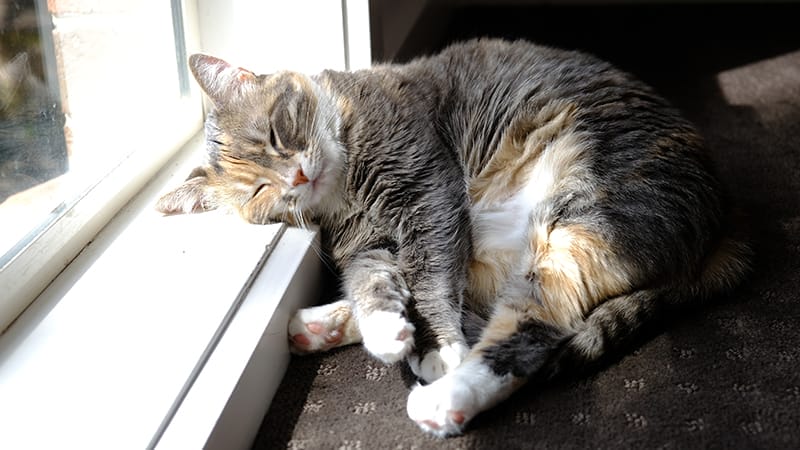
Cats are experts at hiding pain and illness. Even subtle lethargy—sleeping more than usual, reduced interaction, or hiding—may be one of the only outward signs that something is wrong. Any noticeable drop in a cat’s normal activity level deserves close attention.
Home Observation: When Watchful Waiting Makes Sense
When it comes to lethargy, timing and progression matter. Here’s a general guide to help you decide next steps:
- Your pet has mild lethargy with no other signs
- They’re still eating, drinking, and eliminating normally
- They’re responsive and aware of their surroundings
- The lethargy started after a known trigger (like a long hike or stressful event)
- Your pet is acting slightly off but otherwise seems comfortable
During your observation period, keep your pet comfortable, ensure they have access to fresh water, and monitor them closely. Note any changes, take their temperature if possible, and don’t hesitate to call your veterinarian with questions. Most veterinary teams are happy to provide guidance over the phone about whether your pet needs to be seen.
When to Call Your Veterinarian for Lethargy
Schedule a veterinary appointment if:
- Lethargy persists beyond 24-48 hours
- Your pet is eating or drinking less than usual
- You notice any additional signs, however mild
- Your senior pet experiences a sudden decline in energy
- Your pet has a pre-existing condition that might be flaring up
- You have a “gut feeling” something isn’t right
Remember, it’s always better to err on the side of caution. Your veterinarian would rather see your pet for a minor issue than have you wait until the condition worsens.
Emergency Situations: When to Seek Immediate Care
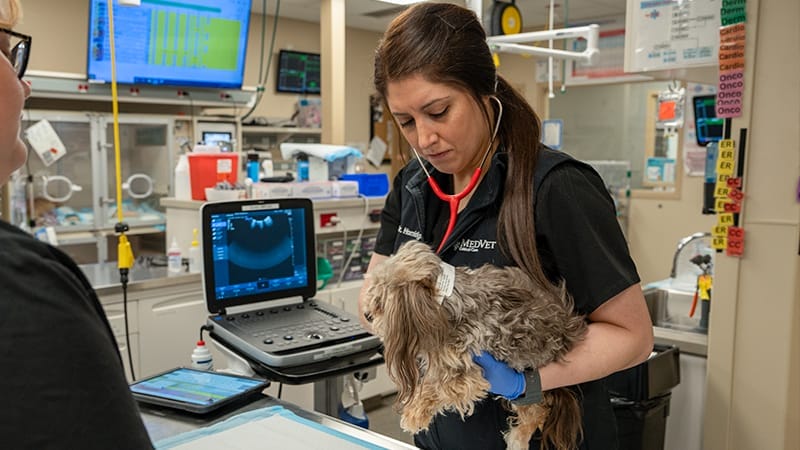
In emergency and specialty hospitals like MedVet, lethargy is one of the most common reasons pets are brought in for urgent evaluation. In many cases, earlier assessment leads to faster diagnosis and better outcomes. Some situations require urgent veterinary attention. Seek emergency care if your pet exhibits:
- Extreme lethargy or collapse
- Difficulty breathing or blue/pale gums
- Inability to stand or severe weakness
- Seizures or loss of consciousness
- Profuse vomiting or bloody diarrhea
- Suspected poisoning or toxin ingestion
- Severe pain or distress
- Abdominal swelling and lethargy (especially in deep-chested dogs—this could indicate gastric dilation volvulus, also known as bloat)
- Lethargy following trauma or injury
- Very high fever (above 104°F) or very low temperature (below 99°F)
Trust your instincts. If something feels seriously wrong, don’t wait—emergency veterinarians are available 24/7 for a reason. Learn more about when to see your family veterinarian and when to visit an ER.
What Causes Lethargy?
Lethargy is a sign, not a diagnosis. The underlying causes range from minor to serious and include:
- Infections (bacterial, viral, or fungal)
- Pain from injury, arthritis, or dental disease
- Metabolic disorders (diabetes, thyroid disorders in dogs and cats, kidney or liver disease)
- Heart or lung disease
- Anemia
- Cancer
- Toxin exposure
- Medication side effects
- Dehydration
- Intestinal parasites
How Is Lethargy Treated?
Treatment depends entirely on the underlying cause. Your veterinarian will perform a thorough physical examination and may recommend diagnostic tests such as bloodwork, urinalysis, X-rays, or ultrasound to identify the problem.

Treatment might include:
- Medications (antibiotics, anti-inflammatories, or specific therapies for diagnosed conditions)
- Fluid therapy for dehydration
- Pain management
- Dietary changes
- Hospitalization for serious conditions
- Surgery if needed
- Supportive care to help your pet rest and recover
The good news? Many causes of lethargy are treatable, especially when caught early.
You are your pet’s best advocate. While occasional tiredness is normal, persistent or severe lethargy accompanied by other signs warrants veterinary attention. When in doubt, reach out to your veterinary team. We’re here to help you navigate these concerns and ensure your beloved companion gets the care they need.
Visit our Pet Care Resources library for more pet health and safety information.
FAQs
How long is it normal for a dog or cat to be lethargic?
Mild lethargy for less than 24 hours may be normal, especially after exercise or stress. If it lasts longer than 24–48 hours, consult your veterinarian.
Is lethargy more serious in cats than dogs?
It can be. Cats often hide illness, so even subtle lethargy or hiding may be an early sign of a serious medical issue.
Can lethargy be caused by something minor?
Yes. Weather, recent activity, stress, or mild gastrointestinal upset can cause temporary lethargy. Persistent or worsening signs should be evaluated.
When should I seek emergency care for lethargy?
Seek immediate care if your dog or cat’s lethargy is severe or sudden, or if it occurs with breathing problems, collapse, seizures, pale gums, trauma, or suspected toxin exposure.
Learn More
For ways to ensure your pet lives a happier, healthier life, visit our Pet Care Resources library.
Pet Care ResourcesShare




Contents
Learn More
For ways to ensure your pet lives a happier, healthier life, visit our Pet Care Resources library.
Pet Care Resources