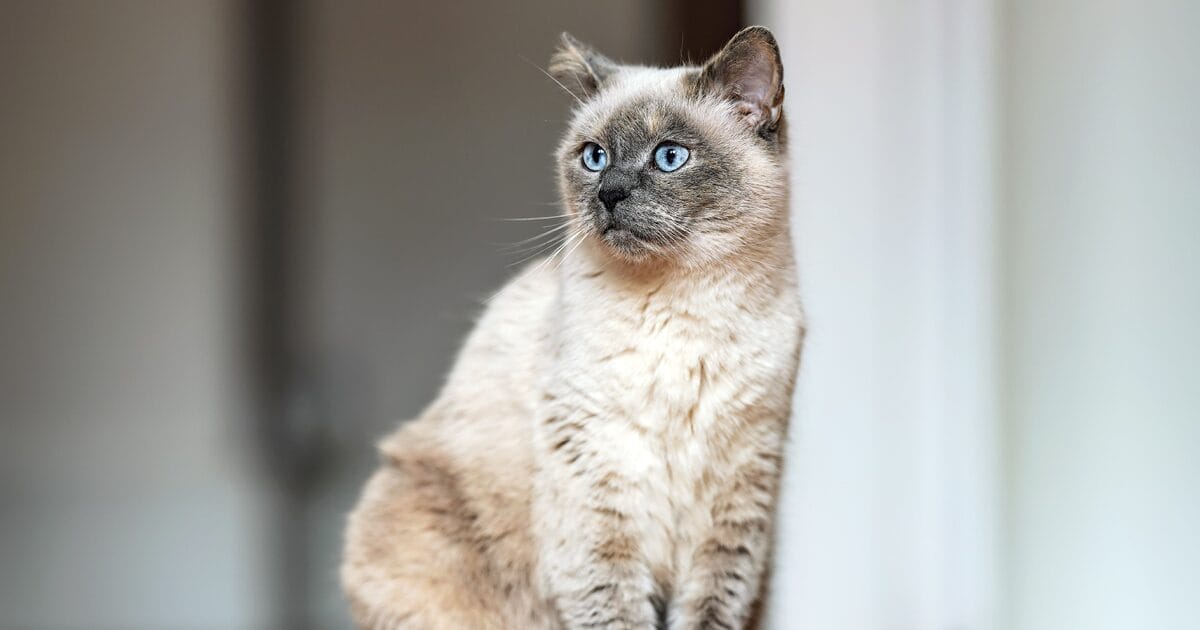
Senior Cat Care: Common Health Problems and Tips for Aging Cats
Learn how to support your senior cat through aging, arthritis, kidney disease, and other common health changes.
Cats are experts at hiding signs of illness and discomfort, which can make age-related changes difficult to recognize. As your cat enters their senior years, subtle shifts in behavior, mobility, appetite, or grooming habits may be the first indication they need additional support and veterinary care.
While many cats continue to enjoy an excellent quality of life well into their teens and beyond, their needs change with age. Understanding the health changes senior cats face and making a few adjustments at home can help keep them comfortable, active, and engaged.
When Is a Cat Considered a Senior?
Most cats are considered seniors around 10 years of age, though some age-related changes may begin earlier. Advances in veterinary medicine, nutrition, and preventive care have helped cats live longer than ever before, making senior care an important part of lifelong wellness.
Because cats often appear healthy even when underlying disease is developing, regular veterinary visits become increasingly important during this stage of life. Our veterinarians recommend exams every six months for senior cats – and at least once a year at minimum – because while half a year may not feel like much to humans, it represents a significant portion of a cat’s life. Many age-related diseases can be managed more successfully when caught early.

Changes You May Notice as Your Cat Ages
Some changes can be a normal part of aging, while others may point to an underlying medical condition. You may notice your cat spending more time resting, showing less interest in play, or hesitating before jumping onto furniture or climbing stairs. Additionally, your cat may have changes in their appetite, grooming habits, litter box use, or social behavior.
Cats are often very subtle when they are in pain or unwell. A cat who no longer jumps onto furniture or hesitates before using stairs may not simply be “slowing down.” These behaviors can be early signs of arthritis or other health concerns.
Increased vocalization, confusion, staring into space, or changes in sleep patterns may also occur in some senior cats, and can sometimes be associated with cognitive dysfunction or medical illness.
Chronic Kidney Disease and Other Health Concerns in Senior Cats
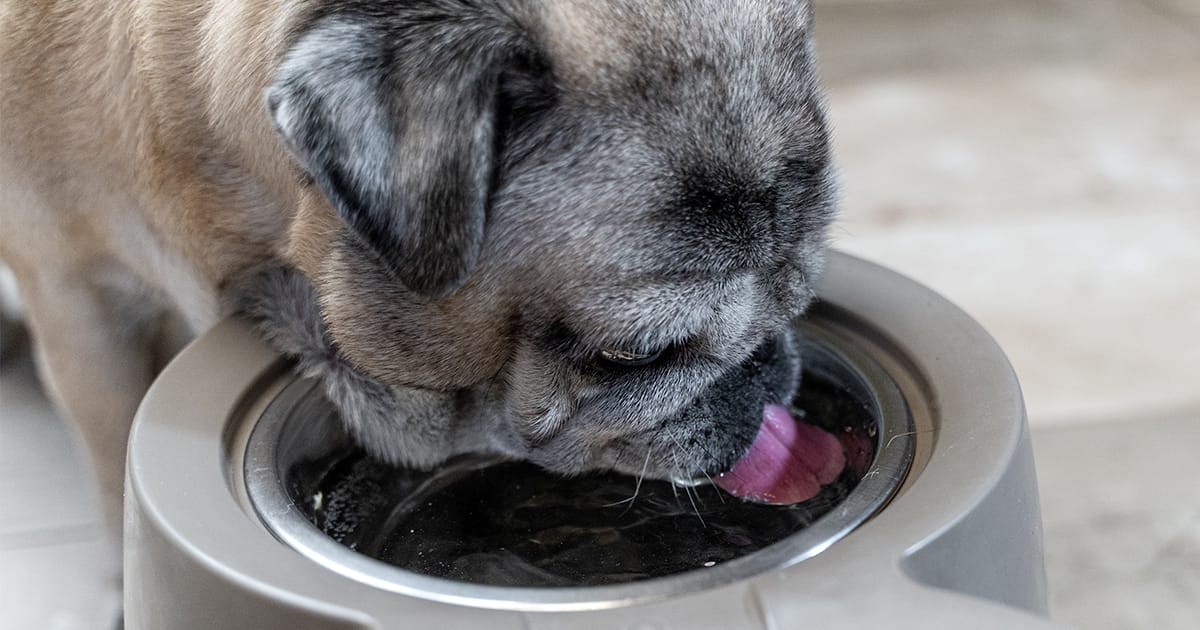
Chronic kidney disease (CKD) is one of the most frequently diagnosed conditions in older cats. The kidneys gradually lose their ability to function properly over time, which can lead to increased thirst and urination, weight loss, muscle loss, decreased appetite, vomiting, and dehydration.
Because many cats with kidney disease initially show only subtle signs, routine bloodwork and urine testing are especially valuable in senior cats. Early diagnosis can help slow the progression of the disease and improve quality of life. Treatment may include prescription diets, medications, fluid therapy, and supplements.
Senior cats are also more prone to conditions such as hyperthyroidism, high blood pressure, diabetes, dental disease, and cancer. Some of these diseases share similar signs which is why veterinary evaluation is important any time you notice changes in your cat’s habits or behavior.

Osteoarthritis in Cats
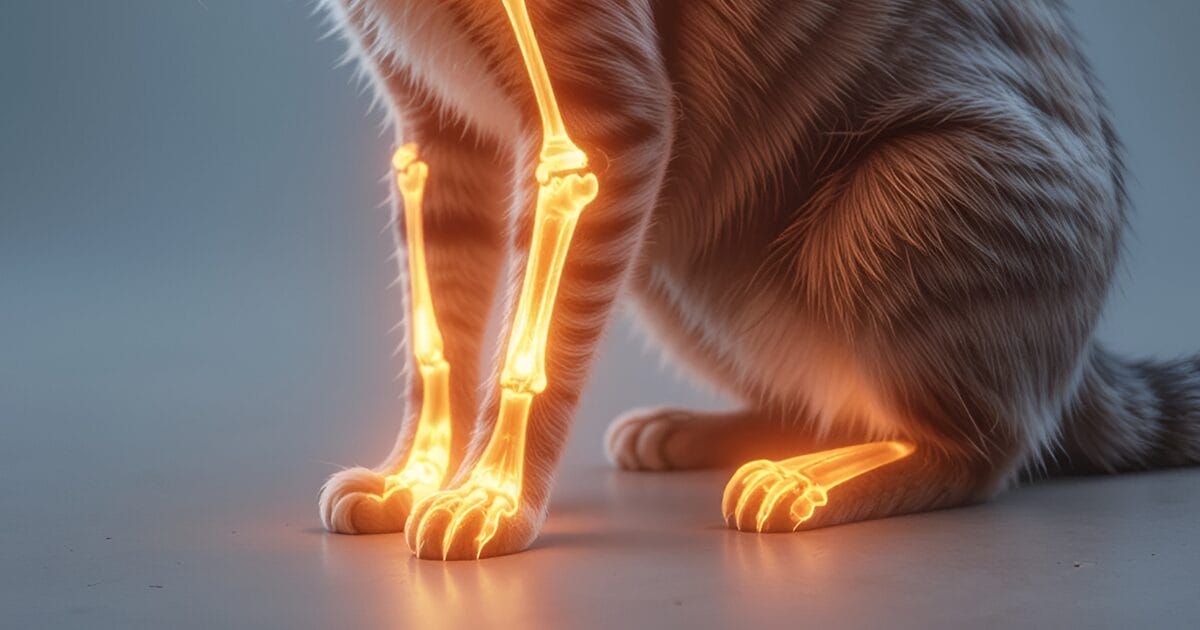
Arthritis is very common in older cats, though it frequently goes undiagnosed because cats rarely limp in obvious ways. Instead, cats with osteoarthritis may avoid jumping, sleep more often, groom themselves less effectively, develop thick or overgrown back nails as a result of being unable to properly pick at their paws, or seem irritable when handled.
You may also notice your cat struggling to climb into the litter box, hesitating before jumping onto favorite surfaces, or becoming less social than usual. Because cats are so good at hiding discomfort, these changes are often mistaken for normal aging.
Fortunately, there are multiple ways to help manage arthritis in cats. Weight management, pain medications, rehabilitation therapy, joints supplements, and environmental modifications can all improve comfort and mobility. Simple changes like low-entry litter boxes, soft bedding, ramps, and non-slip surfaces can help senior cats move around more comfortably. Routine nail trims should also be added to your cat’s care routine, as thickened back nails can go unnoticed and, if left untreated, may become ingrown and cause additional discomfort.
Nutrition, Weight, and Dental Health
Maintaining a healthy weight is one of the best ways to support your senior cat’s overall health. Excess weight can worsen arthritis and other chronic diseases, and lead to diabetes. Unintentional weight loss may signal an underlying medical problem.
Senior cats may experience changes in appetite, digestion, and muscle mass as they age. Some need fewer calories to avoid obesity, while others require additional nutritional support to maintain body condition. Your family veterinarian may recommend a senior-specific or therapeutic diet tailored to your cat’s needs.
Dental disease is also very common in older cats and can significantly affect comfort and appetite. Cats with oral pain may eat more slowly, drop food, paw at their mouth, drool, or groom less frequently. However, many continue eating despite significant dental disease, which can make oral pain difficult to recognize.
Regular dental evaluations and professional cleanings under anesthesia can help reduce pain, infection, and tooth loss.

Keeping Senior Cats Comfortable at Home
Small adjustments around the home can make a meaningful difference for aging cats. Providing easy access to food, water, litter boxes, and favorite resting areas can help reduce stress on stiff or painful joints. Many senior cats also appreciate warm, quiet resting spaces where they can relax undisturbed.
Senior cats still benefit from opportunities to play, explore, and engage with their environment. Interactive toys, food puzzles, window perches, and gentle play sessions can help keep senior cats mentally stimulated and engaged, even if they are less active than they once were.
Maintaining a predictable routine may also help reduce anxiety, especially for older cats experiencing cognitive changes or vision and hearing loss.
Growing older is a natural part of life, but aging does not mean your cat has to lose comfort or quality of life. With attentive care, regular veterinary monitoring, and a supportive home environment, many senior cats continue to thrive for years to come.
Learn more ways to keep your pets healthy and safe.
FAQs
How often should a senior cat see a veterinarian?
Many veterinarians recommend wellness exams every six months for senior cats. Routine bloodwork, urine testing, blood pressure monitoring, and weight checks can help detect age-related diseases early.
What are common signs of arthritis in cats?
Cats with arthritis may hesitate before jumping, sleep more often, groom less, avoid stairs, or have difficulty getting into the litter box. Because cats hide pain well, these signs are often subtle.
What health problems are common in senior cats?
Older cats are more prone to chronic kidney disease, arthritis, hyperthyroidism, dental disease, diabetes, high blood pressure, and cancer. Changes in appetite, weight, thirst, or behavior should always be discussed with a veterinarian.
Learn More
For ways to ensure your pet lives a happier, healthier life, visit our Pet Care Resources library.
Pet Care ResourcesShare




Contents
Learn More
For ways to ensure your pet lives a happier, healthier life, visit our Pet Care Resources library.
Pet Care Resources