Chemotherapy for Dogs and Cats: What Pet Owners Should Know
Learn how chemotherapy treats cancer in dogs and cats, what to expect during treatment, and how side effects may be managed.
A pet cancer diagnosis can feel overwhelming, and it is natural to have questions about what treatment may mean for your dog or cat. If your veterinarian recommends chemotherapy, it may help to know that it is different from many human treatment protocols. Doses for pets are generally lower, and veterinary oncologists choose medications and doses carefully to treat cancer as aggressively as possible while protecting your pet’s quality of life.
Chemotherapy can be used on its own or along with other treatments, such as surgery, radiation therapy, immunotherapy, and newer therapies like electrochemotherapy. The right plan depends on the type of cancer, how far it has progressed, your pet’s overall health, and the goals you and your oncology team set together.
How Chemotherapy Works in Dogs and Cats
Chemotherapy uses medication to kill cancer cells or slow their growth. Most chemotherapy drugs work on cells that are actively dividing, which is why they are effective against cancer. Because some healthy cells also divide quickly, such as those lining the digestive tract, side effects can occur. Veterinary protocols are designed to keep these effects to a minimum.
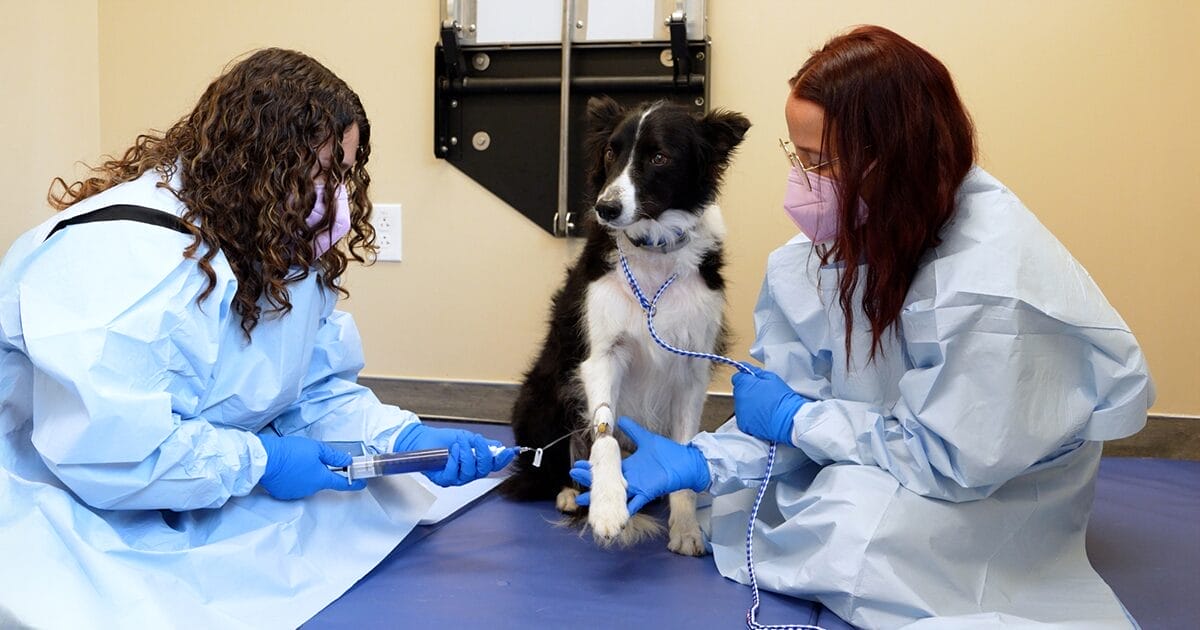
Some chemotherapy medications are given through an intravenous catheter at a veterinary hospital while others are taken by mouth at home. Treatment schedules vary depending on the type of cancer and the extent of disease, with some patients requiring weekly treatments, while others may require treatment every 3-4 weeks.
Treatment can significantly improve how your pet feels and extend the time they feel that good. For most pets, the goal is remission while making sure they can live their best life. Other forms of chemotherapy may slow cancer progression, reduce the rate of spread, or control clinical signs. A cure is the ideal outcome, but it is very difficult to achieve in veterinary medicine and may require extensive treatment. Your veterinary oncology team considers the cancer, how your pet is feeling, and your overall goals throughout treatment to create a custom plan that fits your pet and your family.

When Chemotherapy May Be Recommended
Chemotherapy can play an important role in treating several types of cancer. For cancers such as lymphoma and leukemia, it is often the main treatment as local therapies may not create a lasting response in those diseases.
It may also be recommended after surgery when a tumor has a higher risk of spreading. Osteosarcoma, hemangiosarcoma, and some high-grade mast cell tumors are examples of cancers where chemotherapy can provide significant improvement in overall outcome when it is incorporated into your pet’s individualized treatment plan.
For tumors that cannot be removed with surgery or have already spread, chemotherapy and immunomodulatory treatments may help slow tumor growth and manage clinical signs. In all situations, treatment is focused on helping pets feel well while maintaining their normal routines for as long as possible.
Chemotherapy is not always the right choice for your pet’s specific disease. If it is not, a veterinary oncologist can still guide you through the next steps that may provide the best possible outcome.
What to Expect During Treatment
Before chemotherapy begins, your veterinary oncology team will review your pet’s diagnosis, medical history, and overall health. Additional testing may be recommended to understand the extent of the cancer and help guide treatment.
Bloodwork is performed before treatment to check blood cell counts and organ function. Your pet will also need periodic bloodwork during the protocol so the oncology team can monitor the effect of treatment and check for potential side effects.
The chemotherapy protocol depends on the cancer being treated. Your oncology team will outline the schedule and how each medication will be given before treatment begins, so you know what to expect from the first visit.
Your veterinary oncologist will explain how often your pet will need to come to the hospital, what you may notice after treatment, and which signs should prompt a call to the care team. How often your pet is treated will also depend on your goals and limitations, which play an important part in deciding how we treat your best friend.

Possible Side Effects of Chemotherapy
Veterinary chemotherapy protocols are designed to treat cancer while limiting side effects as much as possible. Most dogs and cats tolerate chemotherapy well, and side effects are often mild or manageable.
Gastrointestinal side effects are the ones owners hear about most, but they usually last only a short time compared with the length of treatment. Most pets do not need supportive care medications, but we provide them as a safety measure in case signs such as nausea, diarrhea, decreased appetite, or vomiting occur. Even with these precautions, a small percentage of pets (about 5%) require hospitalization for chemotherapy-related side effects. These patients often recover quickly, and we adjust their care for future treatments. If side effects are too strong or keep your pet from feeling like themselves, we may decrease the dose, change therapies, or stop treatment altogether. Your pet’s health and safety remain our top priority throughout the process.
Hair Loss and Other Visible Changes
Dogs and cats do not often lose a significant amount of hair during chemotherapy. Hair may regrow more slowly in areas clipped for treatment or other procedures, and breeds that need regular grooming, such as Poodles, Schnauzers, and Bichon Frises, may be more likely to have hair loss or changes in skin pigmentation. Hair often grows back after treatment is finished, although its color or texture may be different in some cases.
Comfort and Quality of Life During Cancer Treatment
Comfort and quality of life are a priority throughout your pet’s treatment. Cancer treatment plans are designed to treat or control cancer while helping your pet stay comfortable and keep doing the things they enjoy.
Your veterinary oncologist will consider your pet’s health, cancer type, treatment goals, and response to therapy when developing the plan. Treatment can be adjusted based on how your pet is feeling and how the cancer responds.
"Chemotherapy is designed to treat or control cancer while helping your pet maintain their quality of life and enjoy the things they love."
– Alec B. Repasy, DVM, Diplomate, ACVIM (Oncology)
Even with a cancer diagnosis, our goal is for your pet to keep having good days, continuing to eat, play, and follow their normal routines during treatment.
If your pet has been diagnosed with cancer, a veterinary oncologist can help you understand the diagnosis and develop a treatment plan that reflects your pet’s cancer, overall health, comfort, and quality of life.
We understand that this is hard on both you and your pet. As such, our goal is to always maintain strong communication and support you through this process, no matter what path you choose for your pet moving forward.
MedVet’s board-certified medical oncologists and radiation oncologists work with you and your family veterinarian to guide the next steps in your pet’s cancer care.
About MedVet
MedVet is a nationwide network of emergency and specialty hospitals founded, owned, and led by veterinarians. Our teams provide 24/7 emergency care alongside a wide range of specialty services, with board-certified specialists collaborating across disciplines to deliver advanced, compassionate care for pets and the people who love them.
Find a MedVet location near you.
FAQs
Does chemotherapy make dogs and cats sick?
Most dogs and cats tolerate chemotherapy well, and side effects are often mild or manageable. Some pets may experience vomiting, diarrhea, decreased appetite, or fatigue, and supportive medications can help manage these effects when they occur.
Will my dog or cat lost their hair during chemotherapy?
Most dogs and cats do not experience hair loss during chemotherapy. Some pets may have changes in hair growth or texture. Hair generally grows back after treatment.
How long does chemotherapy take for dogs and cats?
The length and frequency of chemotherapy vary depending on the type of cancer, treatment goals, and how a pet responds. Your veterinary oncology team will create a treatment schedule based on your pet's individual needs.
Share




Contents