
Your Pet Was Diagnosed with Cancer: What to Expect and What to Do Next
Your pet was diagnosed with cancer. Learn what to expect, treatment options, and how veterinary oncologists help pets live longer.
Cancer is the leading disease-related cause of death in dogs and cats. About 50% of dogs and 30% of cats over age 10 will develop cancer. Hearing that your dog or cat has cancer can feel overwhelming. If you’re wondering, “Now what?” you’re not alone—and this guide can help you understand the next steps.
The good news is that veterinary oncology has advanced dramatically. Today, many pets can live longer and maintain a good quality of life thanks to improved diagnostics, better treatment options, and specialized cancer care.
Consult With a Veterinary Oncologist
A board-certified veterinary oncologist specializes in diagnosing and treating cancer in pets. Working alongside your primary veterinarian, they’ll develop a personalized care plan based on your pet’s diagnosis, overall health, and your family’s priorities.
What Happens During the First Oncology Appointment?
The initial consultation is designed to educate and empower you. During this visit, your oncologist will:
- Review your pet’s medical history, lab results, imaging, and biopsy findings
- Perform a thorough physical examination
- Determine whether additional staging tests are needed to assess cancer spread
- Explain available treatment options and realistic outcomes
- Discuss potential side effects and quality-of-life considerations
- Outline costs, scheduling, and at-home care requirements
This appointment focuses on understanding your pet’s condition and exploring options so you can make confident, informed decisions about the best path forward.
Tips for Your Oncology Appointment
A cancer consultation can involve a lot of information. These tips can help:
- Bring a notebook or take notes on your phone
- Bring a trusted friend or family member for support
- Ask questions—even if they seem small
- Don’t hesitate to ask for clarification or time to think
There is rarely only one correct path when treating cancer. Many pet families face this diagnosis every year, and veterinary oncology teams are experienced in helping guide families through each step.
Cancer Treatment Options for Pets
While surgery, chemotherapy, and radiation therapy remain the foundation of cancer treatment, new therapies and diagnostic tools continue to expand treatment options.
Your veterinary oncologist will recommend treatment based on:
- Cancer type and grade
- Stage of disease
- Location of the tumor
- Overall health
- Your goals for treatment
Traditional Treatments (Still Highly Effective)
Surgery
Surgery remains the most effective treatment for many solid tumors, especially when cancer can be completely removed before spreading.
Chemotherapy
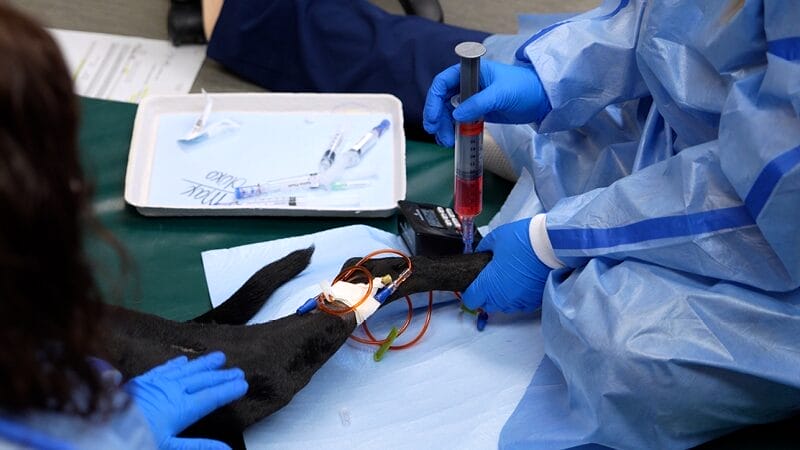
Chemotherapy is commonly used for cancers such as lymphoma, leukemia, and some metastatic cancers. Veterinary chemotherapy uses lower doses than human protocols to minimize side effects, prioritizing your pet’s comfort and day-to-day wellbeing. Most pets tolerate treatment well and continue normal activities with minimal side effects. The most common side effects are mild gastrointestinal upset or temporary tiredness.
Radiation Therapy
Radiation therapy targets tumors that cannot be fully removed with surgery or that are in sensitive areas. Modern radiation techniques allow more precise targeting, protecting surrounding healthy tissue.
Newer Therapies and Other Advanced Treatment Options
Some pets may benefit from newer therapies used alongside traditional treatments.
Newer Drug Therapies
Examples include:
- Tigilanol tiglate (Stelfonta) – an injectable treatment approved for certain non-metastatic mast cell tumors in dogs
- Rabacfosadine (Tanovea) – a chemotherapy drug used to treat canine lymphoma
Immunotherapy
Immunotherapy helps the immune system recognize and attack cancer cells. Some approaches—such as cancer vaccines or monoclonal antibodies—are available for specific cancers. Multiple clinical trials are currently underway at multiple veterinary institutions including those evaluating investigational therapies for pet cancer.
Electrochemotherapy
Electrical pulses enhance the effectiveness of chemotherapy drugs for some skin tumors.
Metronomic chemotherapy
Lower doses of chemotherapy given more frequently, often orally at home, to slow tumor growth with fewer side effects.
Advanced Diagnostics and Monitoring
Modern diagnostics help veterinarians better understand how cancer behaves in individual pets.
These tools may include:
- Tumor genetic profiling
- Liquid biopsy blood tests
- Sentinel lymph node mapping
- Advanced imaging such as CT or MRI scans
These technologies allow oncologists to make more informed treatment decisions and monitor treatment response.
Questions to Ask Your Oncologist
Bringing a list of questions can help guide your conversation.
About Treatment
- What treatment options are available?
- What are the goals of treatment: cure, control, or comfort?
- What side effects might occur?
- Are clinical trials available?
About Logistics
- How often will my pet need appointments?
- What home care will be required?
- How will we monitor whether treatment is working?
About Prognosis
- What is the expected prognosis with treatment?
- What happens if we choose not to pursue treatment?
- When should we reassess the plan?
Receiving a cancer diagnosis can make it difficult to absorb information. It’s common to remember hearing the word “cancer” but not all the details that follow. Taking notes and bringing a person to support can help you process important information.
Focus on Quality of Life and Keeping a Routine
Quality of life should guide every treatment decision. Many oncologists use structured tools such as the HHHHHMM Quality of Life Scale (hurt, hunger, hydration, hygiene, happiness, mobility, and more good days than bad) to help families evaluate how their pet is feeling.
Consider questions like:
- Is my pet comfortable?
- Are they eating normally?
- Do they still enjoy favorite activities?
- Are there more good days than difficult ones?
Pets thrive on routine. Even during treatment, many pets continue to enjoy:
- Walks
- Playtime
- Cuddling with family
Maintaining normal routines can help pets feel secure.

Financial Considerations
Cancer care can involve significant costs, so it’s important to discuss finances openly with your veterinary team.
Possible options include:
- Pet insurance
- CareCredit or medical financing
- Crowdfunding platforms such as GoFundMe
- Clinical studies
Being upfront about your budget helps your oncologist recommend the most meaningful and practical options for your pet.
Palliative and End-of-Life Care
Not every pet is a candidate for aggressive treatment. In some cases, the best option is comfort-focused care.
Palliative care may include:
- Palliative radiation therapy to reduce tumor-related pain
- Pain medications and anti-inflammatory drugs
- Appetite stimulants or anti-nausea medications
- Integrative therapies such as acupuncture or physical therapy
Your veterinary team can also guide compassionate end-of-life planning when the time comes.
Cancer in Dogs and Cats: Risk Factors and Early Warning Signs
Early Detection Matters
Regular veterinary exams become increasingly important as pets age. Watch for warning signs such as:
- New lumps or bumps
- Unexplained weight loss
- Persistent lameness
- Wounds that won’t heal
- Abnormal bleeding
- Changes in breathing or bathroom habits
Common Cancers in Dogs
- Lymphoma
- Mast cell tumors
- Osteosarcoma
- Hemangiosarcoma
- Melanoma
Common Cancers in Cats
- Lymphoma
- Squamous cell carcinoma
- Mammary carcinoma
- Injection-site sarcomas
- Mast cell tumors
A cancer diagnosis does not necessarily mean your pet’s life will end soon. Many cancers in pets are treatable, and some can achieve remission with appropriate therapy. Many pets:
- Achieve remission
- Have extended survival with managed disease
- Benefit from treatments that keep them comfortable
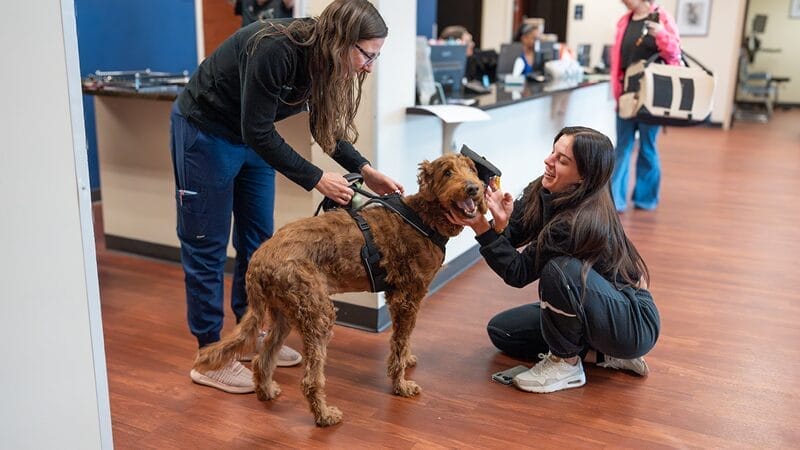
Veterinary oncology continues to evolve, giving pets more options than ever before.
If your pet has been diagnosed with cancer, the next step is scheduling a consultation with a veterinary oncologist.
You are not alone on this journey. Take things one step at a time, ask questions, and focus on the decisions that feel right for your pet and your family.
Schedule a consultation with our board-certified veterinary oncologists to explore medical and radiation oncology treatment options tailored to your pet’s needs.
FAQs
How long can pets live after a cancer diagnosis?
Survival times vary depending on the type of cancer, stage of disease, and treatment plan. Some pets achieve remission, while others may live months or years with controlled disease.
Is chemotherapy painful for dogs and cats?
No. Chemotherapy itself is not painful. Most veterinary chemotherapy protocols are designed to minimize side effects and priority quality of life.
Should I get a second opinion after my pet is diagnosed with cancer?
Many pet owners seek consultation with a board-certified veterinary oncologist to confirm the diagnosis and discuss treatment options.
What if I choose not to treat my pet’s cancer?
If treatment isn’t pursued, veterinarians can provide palliative care to manage pain and maintain comfort and quality of life.
Share




Contents