Why Won’t My Dog Eat? Causes and When to See a Veterinarian
Wondering why your dog won't eat? Learn common causes of appetite loss in dogs and when it's time to see a veterinarian.
For many dogs, mealtimes are the highlight of their day. If your dog suddenly walks away from their food bowl or refuses a favorite treat, it’s a change that’s hard to ignore.
A loss of appetite in dogs can happen for many reasons. Sometimes it’s something temporary, like mild stomach upset or stress. Other times, it can be one of the earliest signs of illness, pain, or even a medical emergency.
Whether your dog refuses food completely or simply isn’t eating as much as usual, a change in appetite is worth paying attention to.
Knowing what to watch for, and when it’s time to see a veterinarian, can help your dog receive prompt care.
When Is It Normal for a Dog to Skip a Meal?
Not every missed meal means something is seriously wrong.
Just like people, dogs can occasionally have days when they aren’t as interested in food. Hot weather, travel, changes in routine, recent vaccinations, or a stressful event may briefly affect their appetite. Some dogs are simply less food-motivated than others.
Still, a sudden change in eating habits deserves attention, especially if your dog normally rushes to the food bowl.
Instead of focusing only on whether they’re eating, look at the whole picture. Ask yourself:
- Are they still drinking water?
- Are they acting normally?
- Are they willing to eat treats?
- Do they seem to be in pain or unusually tired?
- Have they lost weight?
A dog’s appetite is often one of the first things to change when they’re not feeling well. Long before obvious signs like vomiting, limping, or weight loss appear, many dogs simply stop eating or show less interest in food. That’s why even subtle changes in appetite can provide important clues about your dog’s overall health.
Common Reasons Dogs Stop Eating
Digestive upset is one of the most common causes. Eating spoiled food, getting into the trash, sudden diet changes, parasites, or other stomach problems can cause nausea that makes dogs reluctant to eat. You may also notice vomiting, diarrhea, lip licking, drooling, or eating grass.
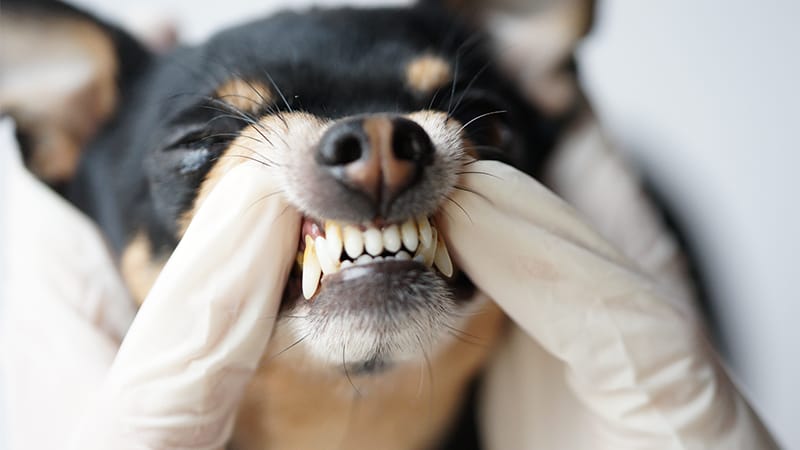
Dental disease or mouth pain can make eating uncomfortable. Broken teeth, infected gums, mouth ulcers, oral tumors, or objects lodged between the teeth may cause your dog to approach their food but struggle to eat. Bad breath, dropping food, chewing on one side, or pawing at the mouth are common signs.
Pain elsewhere in the body can also reduce appetite. Arthritis, back injuries, orthopedic problems, or other painful conditions may leave dogs too uncomfortable to eat normally.
Illness and infection commonly reduce a dog’s appetite. Kidney disease, liver disease, pancreatitis, hormonal disorders, respiratory infections, tick-borne diseases, and many other medical conditions can all cause dogs to eat less.
"A dog's appetite is often one of the first things to change when they're not feeling well, making it an important clue about their overall health."
– Barb Buford, DVM
Stress or anxiety may temporarily decrease appetite. Boarding, moving to a new home, fireworks, travel, or changes in the household can all affect some dogs. In hot or humid weather, many dogs simply eat less. Once the stressful situation or heat has passed, most healthy dogs begin eating normally again.
Foreign objects or intestinal blockages are especially concerning. Dogs frequently swallow toys, socks, bones, corn cobs, rocks, and other items that can become lodged in the digestive tract. These dogs often stop eating, vomit repeatedly, become lethargic, or develop abdominal pain. An intestinal blockage is an emergency that often requires surgery.
Cancer and chronic diseases may also cause a gradual loss of appetite, particularly in older dogs. Owners often notice weight loss, lower energy, or changes in eating habits before a diagnosis is made. Although some senior dogs naturally become less active, a new or worsening loss of appetite should never be dismissed as normal aging, especially when it’s accompanied by weight loss, vomiting, pain, or decreased energy.
When Is Loss of Appetite an Emergency?
While skipping one meal isn’t always cause for alarm, some situations require immediate veterinary care.
Seek emergency veterinary care if your dog is not eating and also:
- Has repeated vomiting or trying to vomit without production
- Has severe diarrhea, especially if it’s bloody
- Has a swollen/distended or painful abdomen
- Appears weak, collapses, or has difficulty standing
- Has pale gums or trouble breathing
- May have eaten a toxin or swallowed a foreign object
- Stops eating and becomes increasingly lethargic
Puppies should also be evaluated promptly if they refuse food. Because they have fewer energy reserves than adult dogs, they can become dehydrated or develop low blood sugar much more quickly.
If your adult dog refuses food for longer than 24 hours, it’s also time to schedule an examination with your family veterinarian, even if they otherwise seem comfortable and are drinking normally. If vomiting, weakness, abdominal pain, toxin exposure, trouble breathing, or other concerning signs are present, they should be seen sooner.
How Veterinarians Find the Cause
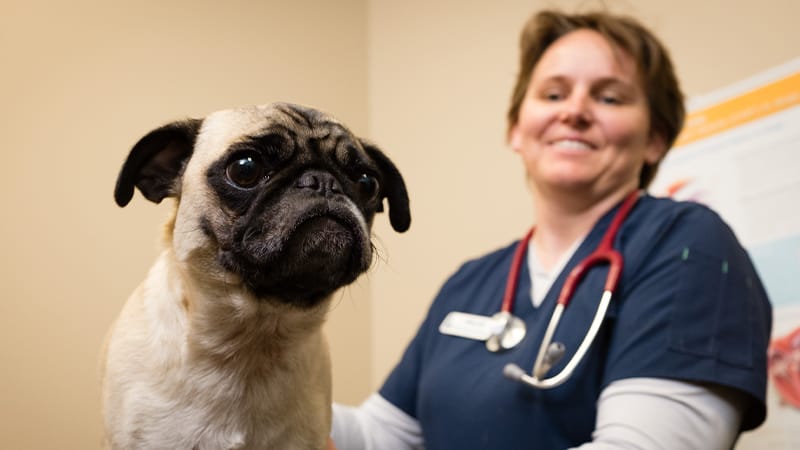
Because many different conditions can affect a dog’s appetite, your veterinarian will begin by gathering a thorough history and performing a physical examination.
They’ll want to know when your dog last ate normally, whether they’ve been vomiting or having diarrhea, whether they’ve gotten into anything unusual, and whether you’ve noticed coughing, limping, weight loss, or behavior changes.
Depending on what your veterinarian finds, they may recommend blood work, urinalysis, fecal testing, X rays, ultrasound, or other diagnostic tests. If dental disease or an oral problem is suspected, a sedated oral examination may also be needed.
These tests help identify what’s causing your dog’s loss of appetite so treatment can be directed at the underlying condition.
What Should You Do if Your Dog Won’t Eat?
If your dog skips a meal but otherwise seems like themselves, is comfortable, and continues drinking water, it’s reasonable to monitor them closely for a short time.
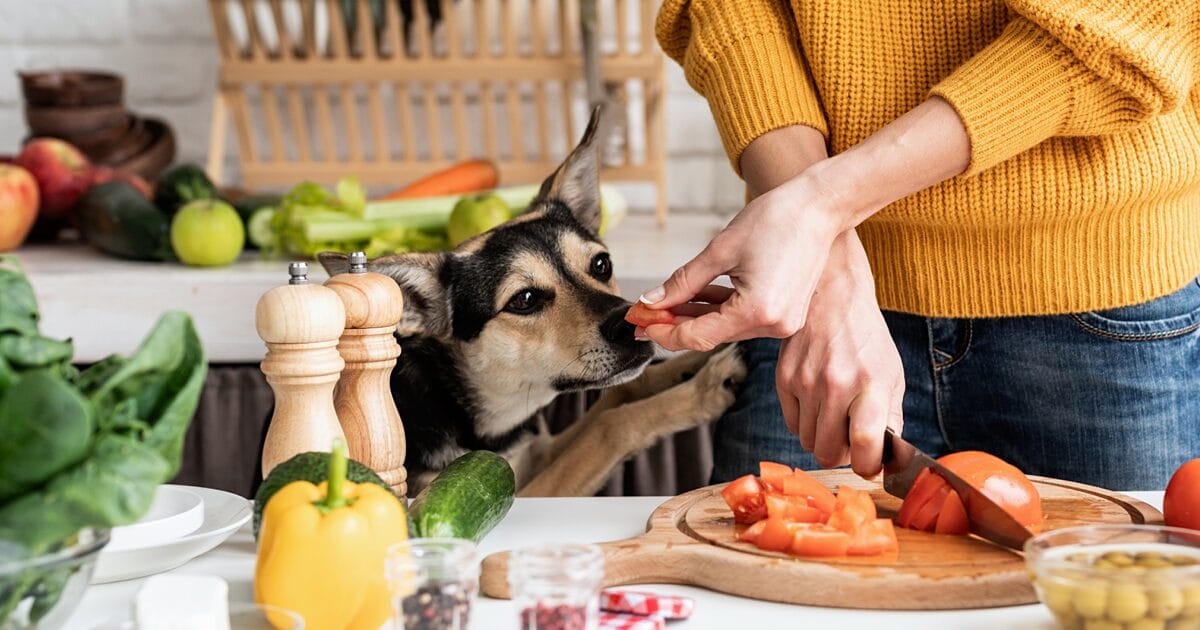
You can offer their regular food or gently warm canned food to enhance its smell but avoid introducing rich table foods or multiple new treats. These can worsen stomach upset and sometimes make it harder for your veterinarian to determine what’s causing the problem.
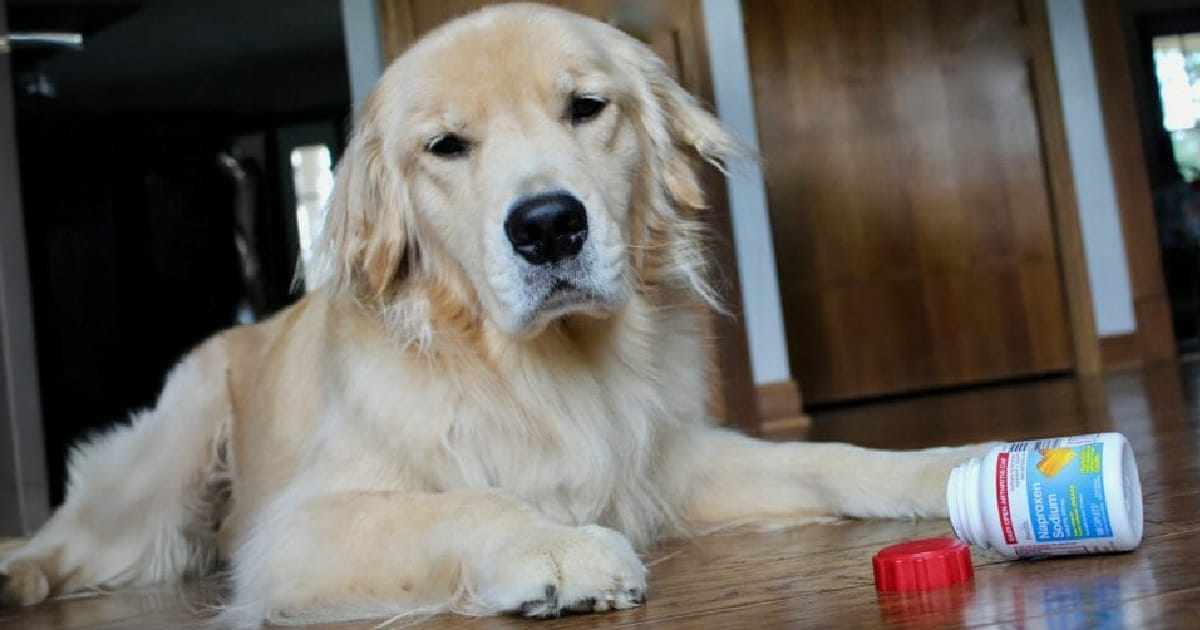
Keep fresh water available, do not force-feed, and avoid giving human medications unless your veterinarian specifically recommends them. Resist the urge to keep switching foods or offering a variety of treats, as this can mask the problem and delay a diagnosis.
If your dog still hasn’t eaten after 24 hours—or sooner if other concerning symptoms appear—contact your family veterinarian. Puppies, senior dogs, dogs with underlying medical conditions, and dogs that seem painful, weak, dehydrated, or unusually quiet should be evaluated promptly.
A Healthy Appetite Is One of the Best Signs of a Healthy Dog
Dogs can’t tell us when something feels wrong, but changes in their appetite often do. Paying attention to eating habits and recognizing when a loss of appetite is accompanied by other signs of illness can help you act before a condition becomes more serious.
Your family veterinarian is the best place to start when your dog isn’t eating normally. If hospitalization, emergency care, or specialized treatment is needed, MedVet’s emergency and specialty teams can work alongside your family veterinarian to help your dog get the care they need.
Learn more ways to keep your pets healthy and safe.
About MedVet
MedVet is a nationwide network of emergency and specialty hospitals founded, owned, and led by veterinarians. Our teams provide 24/7 emergency care alongside a wide range of specialty services, with board-certified specialists collaborating across disciplines to deliver advanced, compassionate care for pets and the people who love them.
Find a MedVet location near you.
FAQs
Why won't my dog eat but still drinks water?
If your dog is drinking water but refusing food, they may have a mild stomach upset, dental pain, stress, or an underlying medical condition. If the loss of appetite lasts more than 24 hours or is accompanied by vomiting, diarrhea, weakness, or other concerning signs, contact your veterinarian.
How long can a dog go without eating?
Healthy adult dogs may occasionally skip a meal but refusing food for more than 24 hours should be evaluated by a veterinarian. Puppies, senior dogs, and dogs with underlying medical conditions should be seen sooner because they can become ill more quickly.
What should I do if my dog won't eat?
Offer your dog's regular food, keep fresh water available, and monitor for other signs of illness. Avoid force-feeding, giving human medications, or repeatedly switching foods. Contact your veterinarian if your dog's appetite doesn't return or they develop additional symptoms.
Learn More
For ways to ensure your pet lives a happier, healthier life, visit our Pet Care Resources library.
Pet Care ResourcesShare




Contents
Learn More
For ways to ensure your pet lives a happier, healthier life, visit our Pet Care Resources library.
Pet Care Resources