What is a Veterinary Specialist and When Does Your Pet Need One?
A veterinary specialist is a highly trained expert who treats complex pet conditions and works with your primary vet for advanced care.
When your family veterinarian recommends seeing a specialist, it can feel overwhelming. You may wonder what a veterinary specialist does, why your pet needs one, and what to expect next.
A referral to a specialist is often a positive step forward, giving your pet access to advanced expertise, additional treatment options, and care focused on more complex medical needs. This guide will answer your questions and walk you through how veterinary specialists support your pet’s care.
What Is a Veterinary Specialist?
A veterinary specialist is a veterinarian with four to five years of additional training beyond veterinary school in a specific area of medicine. This includes an internship, a residency program, and passing rigorous board examinations to become board-certified.
While your primary care veterinarian manages your pet’s overall health and wellness, a specialist focuses on diagnosing and treating complex or advanced conditions in their area of expertise.
Types of Veterinary Specialists for Pets
Just like in human medicine, veterinary specialists focus on specific areas of care. MedVet has board-certified specialists in:
Anesthesia & Analgesia
Focuses on pain management and anesthesia during procedures. These specialists ensure pets are safely sedated and carefully monitored before, during, and after surgery or diagnostic procedures, especially for pets with underlying health conditions or higher anesthetic risk, like older pets.
Avian & Exotics
Provides care for non-traditional pets such as birds, reptiles, rabbits, and small mammals. These specialists are trained to diagnose and treat species with unique anatomy, physiology, and medical needs that differ from dogs and cats.
Cardiology
Specializes in heart and blood vessel conditions such as murmurs or arrhythmias. For example, your veterinarian may refer your pet after hearing a new heart murmur during a routine exam or if your dog has a persistent cough or fatigue.
Critical Care
Works closely with emergency medicine to manage severely ill or injured pets requiring intensive monitoring and life support. These specialists care for patients in intensive care units (ICUs), often using advanced technologies and continuous monitoring.

Dentistry & Oral Surgery
Provides routine dental care, including cleanings, as well as treatment for dental disease, and jaw injuries that require specialized expertise.
Dermatology
Addresses chronic or difficult-to-manage skin, ear, and allergy conditions, such as ongoing itching or recurrent ear infections.
Emergency Medicine
Manages life-threatening conditions and provides intensive monitoring. For example, pets experiencing difficulty breathing, trauma, sudden collapse, or toxin ingestion, may require immediate specialized care.
Integrative Medicine
Combines conventional veterinary medicine with complementary therapies to support overall health and healing. This may include approaches such as acupuncture, herbal therapy, laser therapy, massage therapy, and nutritional support, often used alongside traditional treatments to help manage pain, improve recovery, and enhance quality of life.
Internal Medicine
Diagnoses and treats chronic or complex illnesses affecting internal organs, including gastrointestinal, kidney, liver, and endocrine conditions. This often includes pets with ongoing vomiting, diarrhea, or unexplained weight loss that hasn’t improved with initial treatment.
Interventional Radiology
Uses minimally invasive, image-guided procedures to diagnose and treat certain conditions. This may include techniques that avoid or reduce the need for traditional surgery, often leading to shorter recovery times and less discomfort.
Medical Oncology
Provides cancer diagnosis and treatment, including chemotherapy, immunotherapy, and coordination with surgical specialists. This is often recommended when a lump or mass is found and needs further evaluation or advanced treatment.

Neurology & Neurosurgery
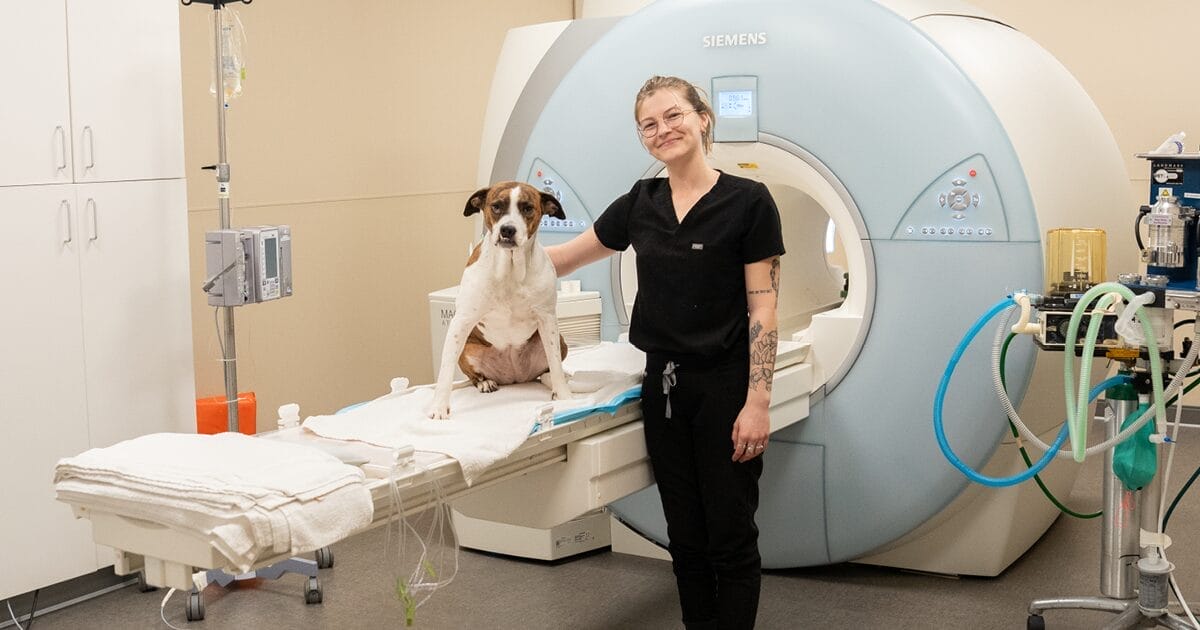
Treats conditions affecting the brain, spine, and nervous system. Pets experiencing seizures, weakness, difficulty walking, or sudden changes in coordination may benefit from specialized neurological care and advanced imaging such as MRI.
Ophthalmology
Focuses on eye conditions such as cataracts and glaucoma using specialized diagnostic tools, especially if your pet develops redness, cloudiness, or vision changes.
Radiation Oncology
Specializes in treating cancer using radiation therapy. This approach may be used alone or in combination with surgery or chemotherapy to target tumors while minimizing impact on surrounding healthy tissue.
Radiology
Uses advanced imaging such as CT and MRI to diagnose conditions not visible on standard X-rays.
Rehabilitation
Helps pets recover from surgery or injury through physical therapy, hydrotherapy, and other therapeutic techniques, especially after orthopedic procedures or neurologic events.
Sports Medicine
Focuses on diagnosing and treating musculoskeletal injuries, especially in active or working pets. These specialists help manage performance-related injuries, ligament damage, joint issues, and mobility concerns, often working alongside rehabilitation teams.
Surgery
Performs advanced procedures, including orthopedic repairs such as TPLO surgery for cruciate ligament (CCL) tears, hip replacement, soft tissue surgery, and minimally invasive techniques. For example, a dog with a torn ligament or a pet needing a mass removed may be referred for surgical expertise.

When Should Your Pet See a Veterinary Specialist?
Your veterinarian may suggest a specialist in situations like:
- Your pet has a complex or uncommon condition
- Your pet has a chronic condition that is not improving with standard treatment
- Clinical signs are not improving with initial care
- Advanced diagnostics (such as MRI, CT, or specialized testing) are needed
- Surgery is more complex or higher risk
- Your pet has experienced serious trauma or a life-threatening emergency
- A condition requires ongoing specialized management
- You want a second opinion on a complex diagnosis
- Your pet has been diagnosed with cancer
- Your pet has ongoing neurological signs such as seizures or paralysis
- Your pet needs rehabilitation after surgery or injury
A referral means your primary veterinarian is partnering with a specialist to provide the best possible care for your pet. Seeing a specialist does not replace your primary veterinarian. It simply adds another layer of expertise to your pet’s care team.
How Your Primary Vet and Specialist Work Together
Veterinary specialists work closely with your family veterinarian to ensure continuity of care. Your primary vet remains an important part of your pet’s healthcare team, managing routine care and staying informed about diagnoses and treatment plans.
Think of your primary veterinarian as your pet’s general practitioner and the specialist as a consultant who provides expert guidance for specific conditions.
Your family vet will continue to manage wellness care, vaccinations, and minor illnesses. The specialist focuses on their area of expertise and communicates recommendations back to your primary vet. This collaborative approach helps ensure your pet receives coordinated, well-rounded care.
What to Expect When Your Pet Sees a Veterinary Specialist
A visit to a veterinary specialist may feel different from a routine checkup. Knowing what to expect can help ease some of that stress.
Before Your Appointment
Your primary veterinarian will send your pet’s medical records, including exam notes, test results, and X-rays, to the specialist. This helps ensure complete medical history. Make a list of questions and bring any medications your pet is currently taking.
During Your Visit
You can expect:
- A detailed review of your pet’s medical history
- A focused physical examination
- Advanced diagnostic testing, if needed
- Discussion of diagnosis and treatment options
- A personalized care plan
Questions to Ask Your Veterinary Specialist
- What is my pet’s diagnosis, and what does it mean?
- What treatment options are available?
- What are the risks and benefits of each option?
- What is the expected outcome or prognosis?
- How long will treatment take?
- What signs should I monitor at home?
- How will you communicate with my primary veterinarian?
- Are there alternative options to consider?

After Your Visit
The specialist will send a report to your primary veterinarian so everyone stays on the same page about the diagnosis and next steps. Follow-up care may be managed by the specialist, your primary vet, or both.
Cost of Veterinary Specialist Care
Specialist care is often more expensive than routine visits. This reflects the advanced training, specialized equipment, and expertise required.
Many specialty hospitals like MedVet accept CareCredit. Pet insurance may cover specialist visits when medically necessary, depending on your policy.
While cost is important, seeing a specialist early can sometimes reduce long-term expenses by leading to a more accurate diagnosis and focused treatment plan.
Why Veterinary Specialty Care Matters
Access to a veterinary specialist can make a meaningful difference, especially for complex or serious conditions.
Specialty care may offer:
- More precise diagnoses
- Advanced treatment options
- Improved outcomes and quality of life
- Support for long-term or challenging conditions
For many pet owners, working with a specialist brings added clarity and peace of mind during a stressful time.
Whether your pet needs emergency care, surgery, cancer treatment, cardiac care, or help with a complex condition, veterinary specialists provide expertise that can make a real difference.
With support from both your primary veterinarian and a specialty team, you can feel confident your pet is receiving thoughtful, coordinated care. You’re not choosing between providers. You’re building a stronger care team for your pet.
Learn more about veterinary specialists at MedVet.
FAQs
What is a veterinary specialist?
A veterinary specialist is a veterinarian who completes advanced training and board certification in a specific area, such as cardiology, oncology, or surgery.
When should my pet see a veterinary specialist?
Your pet may be referred when they have a complex condition, need advanced diagnostics, require specialized surgery, or are not improving with standard treatment.
Do I still see my regular veterinarian after a referral?
Yes. Your primary veterinarian remains your pet’s main doctor and works closely with the specialist to coordinate care.
Share



Contents