Hiking and Camping with Your Pet: 10 Vet-Approved Tips for a Safe Adventure
10 vet-approved tips to safely hike and camp with your pet, from heat risks to water safety and emergency planning.
Spending time outdoors with your pet can be incredibly rewarding, but it also introduces risks that are easy to overlook. From heat exposure to environmental hazards, even experienced pet owners can run into trouble on the trail. At MedVet, we often treat preventable injuries and illnesses tied to outdoor activities. With thoughtful planning and awareness, you can keep your pet safe, comfortable, and ready to enjoy the adventure alongside you.
Before You Go: Essential Preparation
Make Sure Your Pet Is Ready for the Trip
Not every pet is built for hiking or camping. Age, breed, fitness level, and underlying health conditions all determine how well your pet will tolerate outdoor activity.
Brachycephalic breeds, senior pets, and those with heart or respiratory conditions may be at higher risk for overheating or fatigue. If you’re planning a strenuous trip, check in with your veterinarian beforehand. Start with shorter outings and gradually build up your pet’s endurance before tackling more demanding environments.
Stay Current on Vaccines and Preventive Care
Outdoor environments can expose your pet to diseases uncommon at home. Before your trip, ensure your pet is current on core vaccines, including rabies. Depending on your destination, your veterinarian may also recommend protection against leptospirosis or Lyme disease. Consistent flea, tick, and heartworm prevention is essential—especially in wooded or grassy areas.
Pack a Pet-Specific First Aid Kit
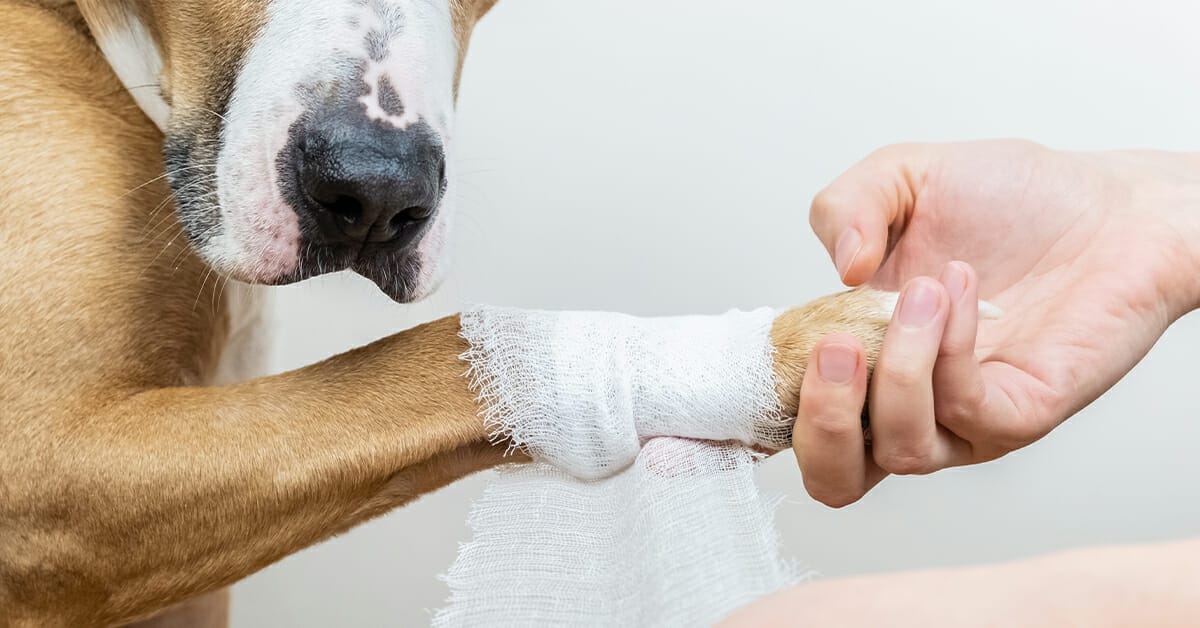
Bring a basic first aid kit for your pet that includes bandage material, antiseptic wipes, tweezers or a tick remover, any prescribed medications, and a copy of your pet’s medical records. Even minor injuries can become serious when you’re far from care. Having basic supplies on hand can help stabilize your pet until veterinary care is available. Learn what to include in a pet first aid kit.
Bring the Right Gear
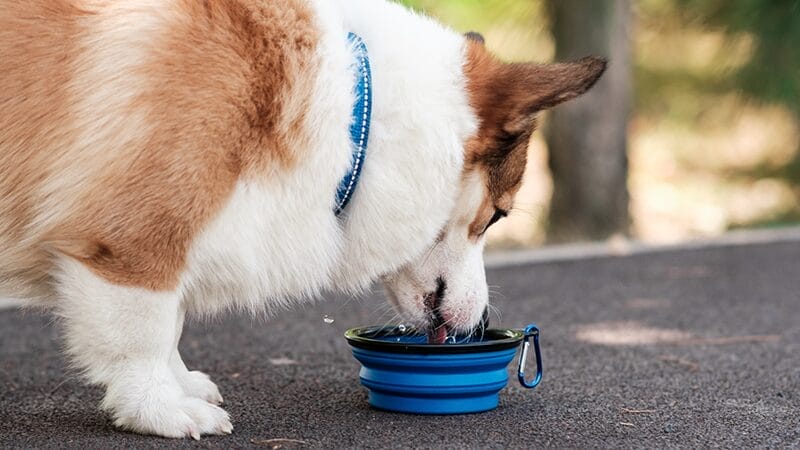
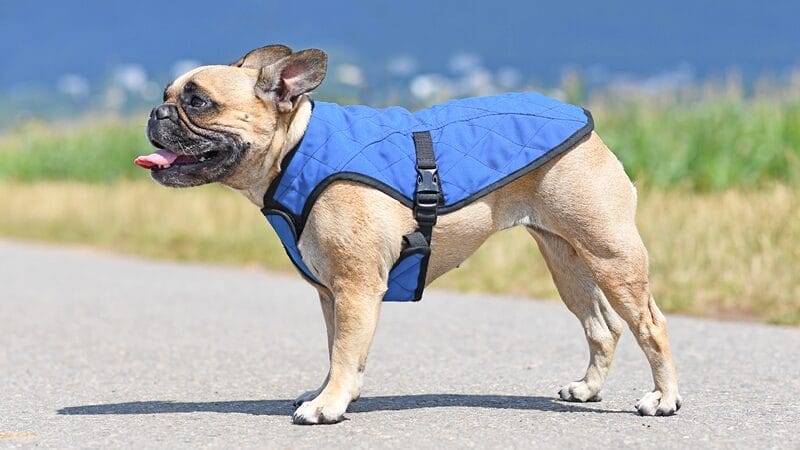
Having appropriate equipment makes your trip safer and more comfortable. Consider packing collapsible water and food bowls, a well-fitting harness for better control on uneven terrain, and paw protection like booties for hot surfaces or sharp rocks. Fit dogs can carry their own supplies in a pet backpack (consult your vet about weight limits). Bring a long lead or tie-out for supervised rest breaks, reflective gear or an LED collar for visibility, and a cooling vest for pets prone to overheating.
Check Trail Regulations and Permits
Research the specific rules and requirements for pets at your destination. Common regulations include leash requirements (often six feet or less), trail restrictions where pets are prohibited, permit requirements, camping restrictions, and waste disposal rules. Some areas may require proof of vaccination or have size and breed restrictions. Visit the official website or contact the park before your trip, as regulations can change. Following local rules helps maintain access for pet owners and protects the natural environment.
On the Trail: Staying Safe
Bring Safe Water—and Enough of It
Always bring fresh, clean water for your pet. Natural water sources can contain parasites like giardia, harmful bacteria, or toxins. Blue-green algae (cyanobacteria) has become an increasing concern in some bodies of water and can be life-threatening if ingested. If you’re unsure about a water source, avoid letting your pet drink from it.
Watch for Heat and Overexertion
Pets can overheat quickly during hikes or in warm, humid conditions. Heat-related illness can develop faster than many owners expect, especially during physical activity. Signs include excessive panting, drooling, lethargy, vomiting, or collapse. Learn the signs of heatstroke in dogs and how to respond. Plan activities during cooler parts of the day, take frequent breaks, and always provide access to shade and water. If it’s too hot for your hand, it’s too hot for their paws.
Keep Your Pet Safely Contained
Even well-trained pets can become distracted in new environments. Wildlife, unfamiliar scents, and open terrain can lead to unexpected situations. Keep your pet on a leash unless you’re in a designated off-leash area, and ensure they have a secure collar or harness with ID tags. Microchipping adds extra protection in case you become separated. Learn more about reuniting with your lost pet.
Practice Good Trail Etiquette
Being considerate of other trail users ensures everyone has a positive experience. Step aside to let faster hikers, mountain bikers, or horses pass—horses can be startled by dogs, so keep your pet calm and controlled. Keep your pet close on narrow trails, control excessive barking, and respect leash laws even if your pet is well-behaved. Be mindful of wildlife and don’t let your pet chase or disturb animals or their habitats.
Clean Up After Your Pet
Always pack out your pet’s waste using biodegradable bags or designated waste disposal systems. Leaving pet waste on the trail can contaminate water sources, spread parasites and diseases, and harm native wildlife. Even in remote areas, waste should be packed out rather than buried. Carry extra bags in a secure, sealed container and dispose of waste properly at designated receptacles or at home. Keep your pet on the trail to avoid trampling vegetation. Following Leave No Trace principles helps preserve trails and wilderness areas for future visitors and their pets.
Be Aware of Wildlife and Environmental Hazards
The outdoors introduces risks you may not encounter at home, and many vary by region and season. Depending on your location, these can include snakes, toxic plants or mushrooms, sharp terrain, porcupines, and ticks. Staying on marked trails and supervising your pet closely can help reduce these risks.
Health Protection and Emergency Planning
Protect Against Parasites
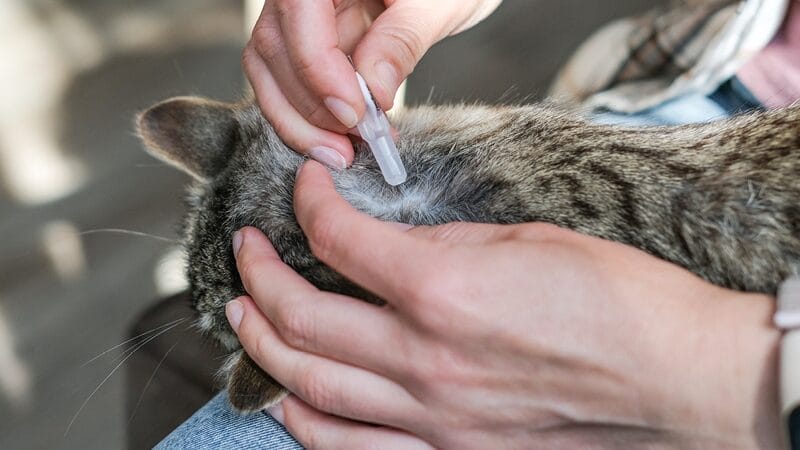
Ticks, fleas, and mosquitoes are common in hiking and camping areas and can transmit diseases. In many cases, pet owners don’t realize exposure occurred until days or weeks later. Use veterinarian-recommended preventives and check your pet thoroughly for ticks after spending time outdoors. Pay close attention to areas like the ears, under the collar, and between the toes.
Plan Ahead for Emergencies
Before you leave, look up the nearest emergency veterinary hospital, such as MedVet, along your route or near your campsite. Cell service may be limited, so save directions ahead of time. Let someone know your travel plans, especially if you’ll be in a remote area. In emergency situations, having a plan can save valuable time.
Don’t Forget Comfort, Especially for Cats
If your pet is spending extended time outdoors or in a tent, bring familiar items like bedding, toys, or blankets to help reduce stress. For cats, plan for a secure, enclosed space and a portable litter setup. Most cats are not naturally suited for open outdoor environments, so extra precautions are important to keep them safe and comfortable.
After the Adventure: Post-Trip Care
The trip doesn’t end when you get home. Check your pet thoroughly for ticks, especially between toes, under the collar, inside ears, and around the face. Look for cuts, scrapes, or puncture wounds on paw pads and skin. Examine eyes for debris or irritation and check for any signs of limping or muscle soreness
Over the next few days, monitor your pet for changes in appetite or energy level, vomiting or diarrhea (which could indicate giardia or other parasites), coughing or difficulty breathing, excessive licking of paws, or limping. Provide a comfortable space for your pet to rest and avoid scheduling another strenuous activity immediately afterward.
Keep up with your regular flea, tick, and heartworm prevention schedule, and consider having your veterinarian perform a fecal test if your pet had access to natural water sources during the trip. If you notice anything concerning during your post-trip check or in the days following your return, contact your veterinarian for guidance.
With preparation, awareness, and the right precautions, hiking and camping with your pet can be a safe and enjoyable experience for both of you. If you have questions about your pet’s readiness for outdoor activities—or if an emergency arises during your adventure—MedVet’s emergency and specialty teams are here to help.
Learn more ways to keep your pets healthy and safe.
FAQs
Can my dog drink from lakes or streams while hiking?
It’s best to avoid it, as natural water sources may contain parasites, bacteria, or toxins like blue-green algae.
How do I know if my pet is fit enough for hiking?
Consider your pet’s age, breed, and health. Start with shorter outings and consult your veterinarian for more strenuous trips.
What should I bring when camping with my pet?
Pack food, water, a bowl, medications, ID tags, a leash, and a pet-specific first aid kit.
What should I check after returning from a trip?
Look for ticks, injuries, or signs of illness like vomiting, lethargy, or limping in the days following your trip.
Learn More
For ways to ensure your pet lives a happier, healthier life, visit our Pet Care Resources library.
Pet Care ResourcesShare



Contents
Learn More
For ways to ensure your pet lives a happier, healthier life, visit our Pet Care Resources library.
Pet Care Resources