
Asthma in Cats: Signs, Causes, Treatment & Long-Term Management
Asthma in cats causes coughing and breathing issues. Learn signs, triggers, treatment, and how to manage it long term.
Watching your cat crouch low to the ground, stretch their neck forward, and labor to breathe can be unsettling to see. These episodes may signal feline asthma, a chronic condition affecting the lower airways that range from mild to life-threatening.
The good news? With proper diagnosis and management, many cats with asthma can live comfortable, active lives.
What Is Asthma in Cats?
Feline asthma is a chronic inflammatory disease of the airways. When a cat with asthma is exposed to certain triggers, the airways become inflamed and narrowed and may fill with mucus. This makes it harder for air to move in and out of the lungs.
Asthma in cats is primarily caused by allergic reactions, meaning the body overreacts to inhaled substances in the environment. Over time, repeated inflammation makes the airways more sensitive and prone to flare-ups.
"While asthma in cats is a lifelong condition, many can live normal, comfortable lives with the right treatment and environmental management."
– Victoria Lopez-Aldazabal, DVM, DACVIM (SAIM)
What Causes Asthma in Cats?
Feline asthma is typically triggered by environmental allergens and irritants. While the specific trigger varies for each cat, the following are most commonly responsible:
- Dust and dusty environments
- Cigarette smoke
- Vape pen byproducts
- Scented products (candles, air fresheners, perfumes)
- Cleaning chemicals
- Pollen or mold
- Certain types of cat litter (especially clay)
- Poor indoor air quality or ventilation
- Stress or anxiety
Some cats may also have a genetic predisposition, and asthma is more commonly diagnosed in young to middle-aged cats.

Signs of Asthma in Cats
Asthma signs range from occasional mild episodes to frequent, severe attacks. Some cats may show subtle signs initially, while others experience dramatic breathing difficulties.
Common signs include:
- Persistent coughing, often mistaken for hairballs at first
- Wheezing or noisy breathing
- Rapid or labored breathing
- Open-mouth breathing (always an emergency)
- Lethargy or decreased activity
- A crouched posture with the neck extended during episodes
In more severe cases, cats may experience respiratory distress, which requires immediate veterinary care.
When Is Breathing Difficulty an Emergency?
Take any breathing difficulty seriously. Seek emergency care right away if your cat:
- Is breathing with their mouth open
- Has pronounced abdominal effort when breathing
- Appears distressed, anxious, or unable to settle
- Has blue-tinged gums or tongue
- Has a breathing rate above 40 breaths per minute at rest
Asthma attacks can escalate quickly, and early intervention can be lifesaving.
Helpful Tip: Monitor your cat's resting respiratory rate regularly. Normal resting breathing for cats is 20-30 breaths per minute. Count your cat's breaths while they're relaxed or sleeping (but not purring) to establish their baseline, then watch for changes.
How Is Asthma in Cats Diagnosed?
Veterinarians diagnose asthma through a comprehensive evaluation that includes assessing clinical signs, reviewing imaging, and ruling out other conditions. Be sure to share your cat’s travel history with your veterinarian, as certain geographic locations may expose cats to parasites or infections that can mimic asthma signs.
Diagnostic steps may include:
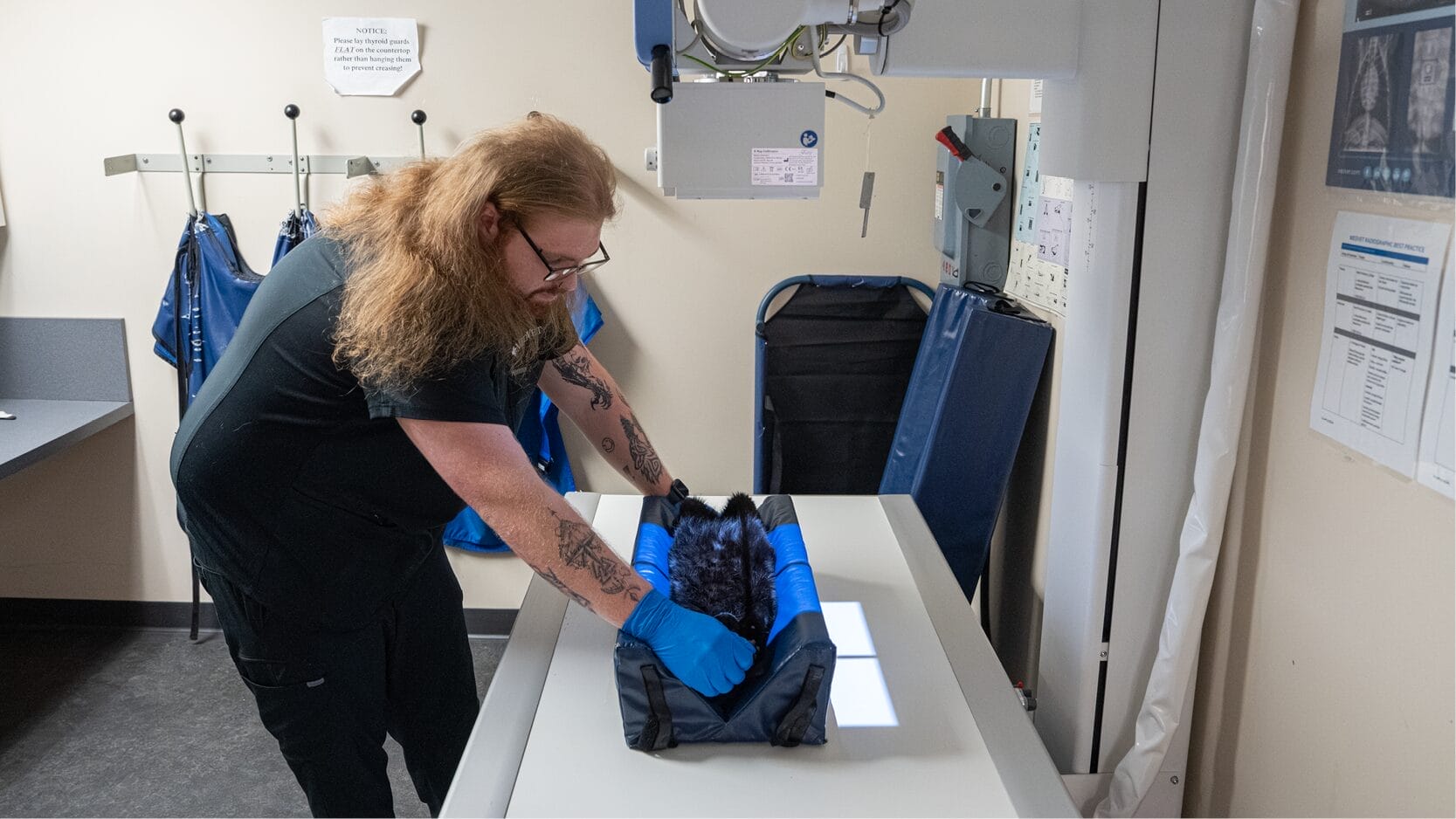
- Chest X-rays to evaluate lung patterns
- Bloodwork to assess overall health and check for elevated white blood cells
- Testing to rule out parasites or infections
- In some cases, advanced imaging or airway sampling
Because several conditions can present similarly to asthma, your veterinarian will work to exclude other possibilities such as heart disease, lungworms, toxoplasma, heartworm disease, chronic bronchitis, or certain cancers.
Treatment for Asthma in Cats
Treatment focuses on reducing airway inflammation, relieving bronchoconstriction, and minimizing exposure to triggers. Most cats are managed with a combination of medications and environmental changes.
Emergency Treatment
When a cat is in severe respiratory distress, immediate intervention is critical:
- Oxygen therapy to stabilize breathing
- Sedation to reduce stress
- Injectable steroids to rapidly reduce inflammation
- Fast-acting bronchodilators to open airways quickly
During emergency treatment, cats are often hospitalized in oxygen-enriched cages, making it easier for them to breathe while medications take effect.
Long-Term Medications
Corticosteroids are the cornerstone of asthma treatment, reducing airway inflammation and preventing dangerous flare-ups.
- Inhaled steroids are often preferred for long-term management because they target the lungs directly while minimizing systemic side effects such as increased thirst, appetite, weight gain, and potential diabetes risk
- Oral steroids (such as prednisolone) may be prescribed for cats who cannot tolerate inhalers
Your veterinarian will monitor your cat’s lungs, weight, and lab work to minimize side effects and adjust dosages as needed.
Bronchodilators may also be prescribed to help open the airways during flare-ups. These medications, like albuterol, can be given through a nebulizer or an inhaler with a special feline spacer and mask.
Long-Term Management & Home Care
Success in managing feline asthma depends on reducing exposure to triggers and closely monitoring your cat’s breathing. Maintaining a healthy weight is also important, as obesity can compromise lung function and worsen respiratory signs.
Continue routine veterinary care to catch any changes early. If your cat becomes stressed during veterinary visits, let your veterinarian know—anti-anxiety medications can be prescribed to make these appointments easier for your cat.
Environmental Modifications
- Switch to low-dust, unscented cat litter
- Avoid smoke, vape pens, candles, and strong fragrances
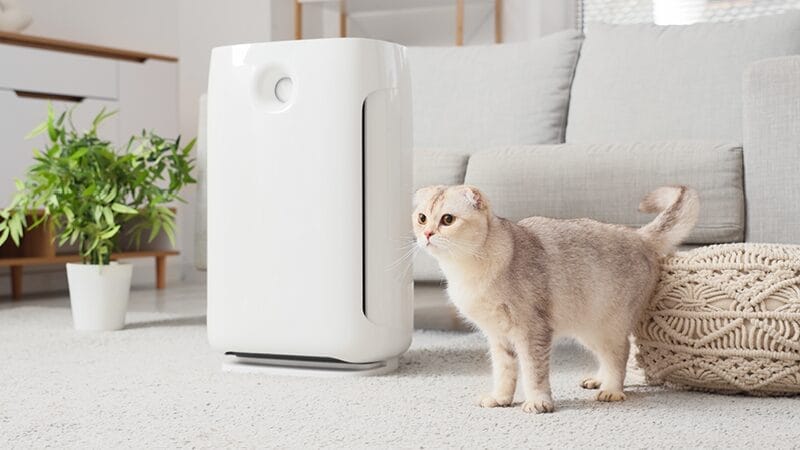
- Use air purifiers with HEPA filters to improve indoor air quality
- Keep your home clean and well-ventilated
- Minimize stress through consistent routines and quiet spaces
- Replace air filters regularly
Monitoring at Home
- Track your cat’s resting breathing rate weekly (normal: 20-30 breaths per minute)
- Watch for changes in coughing frequency or severity
- Note any decrease in activity or appetite
- Keep a written log of episodes and take videos when possible to share with your veterinarian
When to Contact Your Veterinarian
Call for non-emergency concerns if:
- Your cat’s coughing increases in frequency
- Your cat needs their inhaler more often than prescribed
- You notice any changes in breathing pattern at rest
- Your cat seems more lethargic or less playful than usual
What Is the Prognosis for Cats with Asthma?
Asthma is a lifelong condition, but it is often very manageable. With appropriate treatment and environmental control, many cats experience significant improvement and can live normal or near-normal lifespans.
Early recognition and consistent management are key to preventing progression and reducing the risk of severe attacks. While asthma requires ongoing care and medication costs, working closely with your veterinary team helps ensure you find a treatment plan that works for both you and your cat.
Living with a cat who has asthma can feel overwhelming at first, but you’re not alone. Your veterinary team can help you develop a plan tailored to your cat’s specific needs, adjust medications as needed, and guide you through flare-ups.
With the right care plan and your veterinary team’s support, you can help your cat breathe easier and thrive. If you have questions or concerns about your cat’s breathing, don’t hesitate to reach out—we’re here to help.
Visit our Pet Care Resources library for more pet health and safety information.
FAQs
How is asthma in cats treated?
Emergency treatment includes oxygen therapy and injectable steroids to rapidly reduce inflammation. Long-term management typically involves inhaled or oral corticosteroids to control airway inflammation, with bronchodilators for acute episodes. Environmental management—such as using dust-free litter, avoiding irritants, and improving air quality—is equally important for controlling signs.
Can cats outgrow asthma?
No, feline asthma is a chronic, lifelong condition. However, with proper management, many cats experience fewer and less severe signs over time. Consistent medication, environmental control, and regular veterinary monitoring help most cats maintain a good quality of life.
Is feline asthma contagious?
No, asthma is not contagious and cannot spread between cats or to humans. It is an allergic, inflammatory disease of the airways, not an infectious condition.
Learn More
Veterinary internal medicine specialists treat the gastrointestinal tract, kidneys, respiratory tract, liver, and endocrine system.
Veterinary Internal MedicineShare




Contents
Learn More
Veterinary internal medicine specialists treat the gastrointestinal tract, kidneys, respiratory tract, liver, and endocrine system.
Veterinary Internal Medicine