
Vestibular Disease in Dogs and Cats: Why Your Pet Suddenly Can’t Balance
Vestibular disease causes sudden balance problems, head tilting, and dizziness in dogs and cats. Learn signs, causes, and treatment.
Watching your dog or cat suddenly lose their balance, tilt their head, or struggle to walk can be frightening. It is natural to worry about serious causes, such as a stroke, brain tumor, or another neurologic condition. While those possibilities cannot always be ruled out right away many pets with vestibular disease improve with time and supportive care. Because more serious and benign conditions can cause similar signs, prompt veterinary evaluation is important.
What Is Vestibular Disease?
The vestibular system is a network of structures in the inner ear and brain that helps control balance, posture, and coordinated movement. When it is not working properly, the brain receives incorrect information about your pet’s body position, which can cause dizziness, nausea, and difficulty standing or walking.
Vestibular disease is not one specific disease. Instead, it is a clinical term used to describe a group of signs that occur when the vestibular system is disrupted. The problem may originate in the inner ear, known as peripheral vestibular disease, or in the brain, known as central vestibular disease.
Peripheral vestibular disease is often linked to the middle or inner ear and may improve once the underlying cause is treated. Central vestibular disease involves the brain, can be more serious, and often requires additional testing.
What Are the Signs of Vestibular Disease?
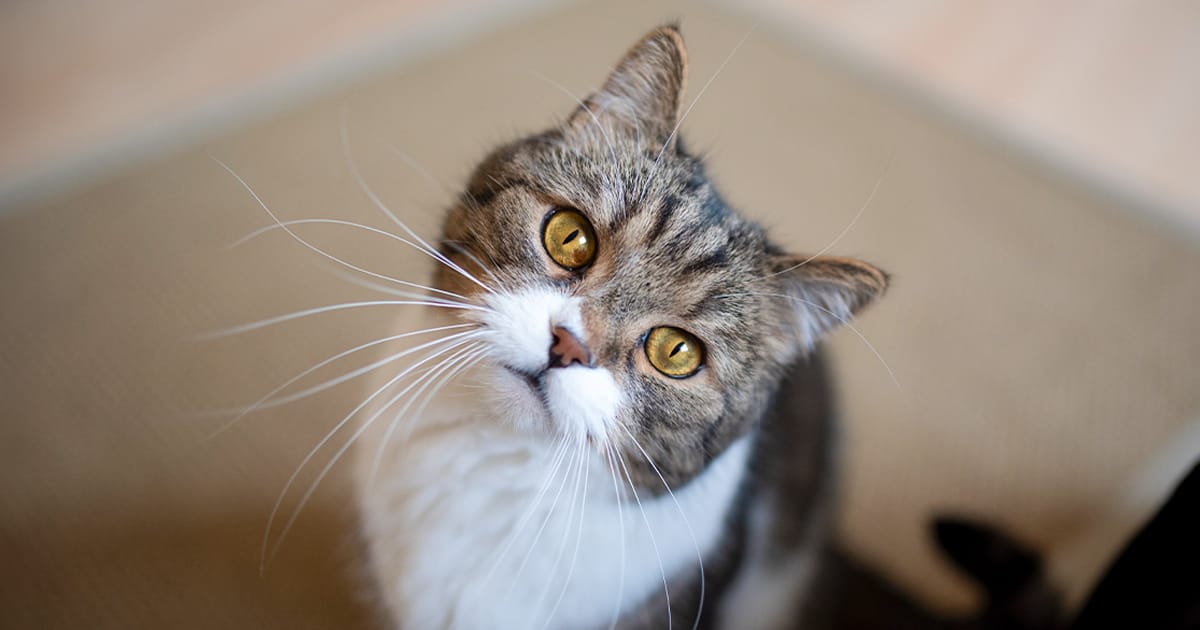
Vestibular disease usually develops suddenly. A pet that seemed completely normal earlier in the day may suddenly be unable to stand, stumble when walking, or develop a noticeable head tilt.
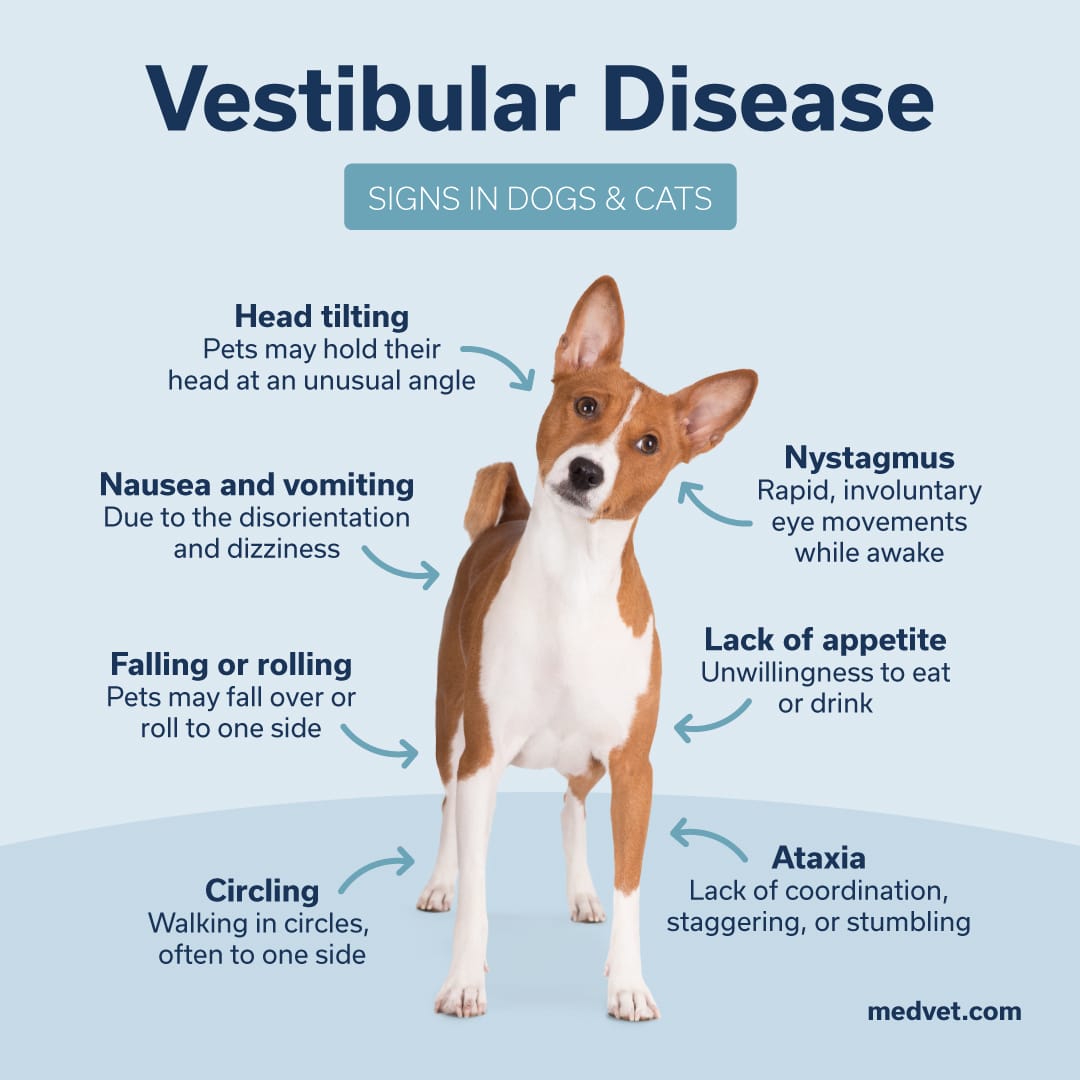
Common signs include:
- Head tilting: Pets may hold their head at an unusual angle
- Ataxia: Lack of coordination, staggering, or stumbling
- Nystagmus: Rapid, involuntary eye movements while awake
- Falling or rolling: Pets may fall over or roll to one side
- Nausea and vomiting: Due to disorientation and dizziness
- Lack of appetite: Unwillingness to eat or drink
- Circling: Walking in circles, often to one side
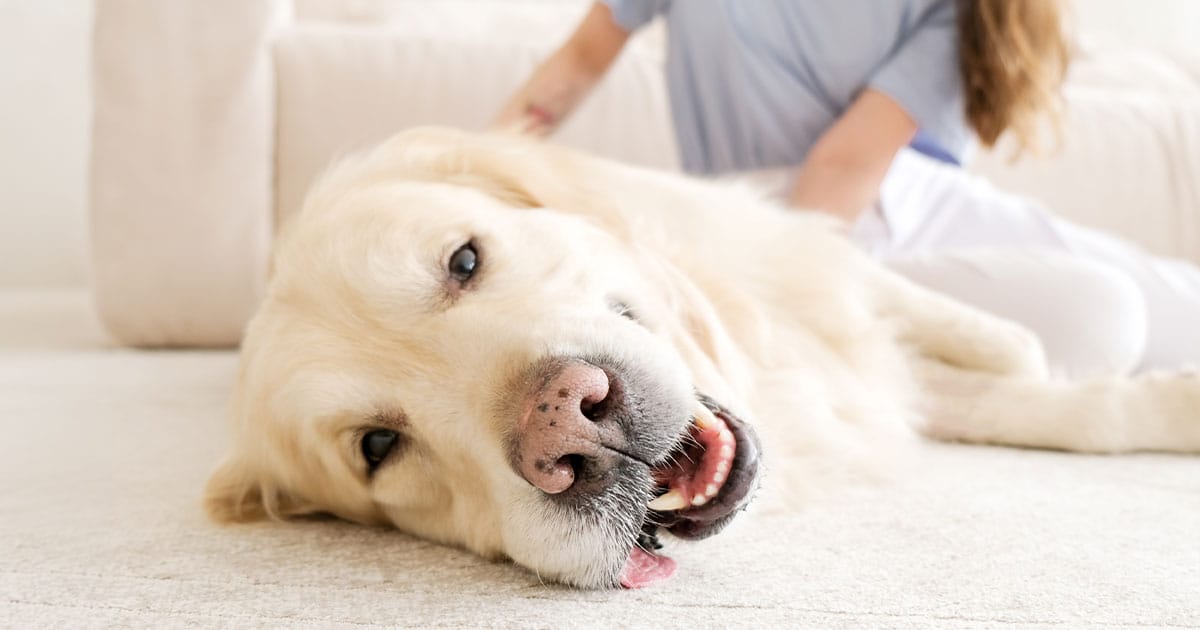
At home, a pet with vestibular disease may behave as though the room is spinning. They may lean or fall to one side, hesitate to move, become nauseated, or be unable to stand without help. These signs can be upsetting to see, but many pets improve over the following days or weeks with appropriate care.
What Causes Vestibular Disease in Pets?
In older dogs, one common cause is idiopathic vestibular disease, sometimes called “old dog vestibular syndrome.” Idiopathic means no specific cause can be identified. Signs often develop suddenly, and many dogs recover with supportive care over time.
Other possible causes include:
- Middle or inner ear infections
- Head trauma
- Inflammatory or infectious diseases affecting the brain
- Brain tumors or other neurological disorders
- Strokes
- In rare cases, certain medications that can affect the inner ear
How Is Vestibular Disease Diagnosed?
There is no single test that confirms vestibular disease. Diagnosis begins with a physical examination and neurological evaluation. Your veterinarian will assess your pet’s balance, eye movements, reflexes, coordination, and other neurologic functions to determine whether the source of the vestibular signs is more likely to affect the inner ear or the brain.
Depending on the exam findings, testing may include bloodwork, an ear examination, advanced imaging such as MRI or CT, or analysis of cerebrospinal fluid.
Some older dogs with signs consistent with idiopathic vestibular disease may not need advanced testing right away. If signs are severe, unusual, worsening, or not improving as expected, your veterinarian may recommend referral to a veterinary neurologist.
"Although vestibular disease can look frightening, many pets improve significantly with time, supportive care, and appropriate veterinary treatment."
– Dan Krull, DVM, MS, DACVIM (Neurology)
How Is Vestibular Disease Treated?
Treatment depends on the cause. Ear infections may improve with appropriate treatment, while inflammatory disease, infections affecting the brain, tumors, or other neurologic conditions require care specific to that diagnosis.
For idiopathic vestibular disease, treatment focuses on supportive care while the vestibular system recovers. This may include medications for nausea or motion sickness, fluids if your pet is dehydrated, assistance with eating and walking safely, or short-term hospitalization for pets that cannot stand comfortably.
As your pet stabilizes, gentle rehabilitation exercises may help improve balance, coordination, and confidence with movement. Your veterinarian can recommend appropriate exercises based on your pet’s condition and recovery progress.
At home, soft bedding, blocked stairs, and gentle assistance with movement can help keep your pet safe while balance gradually returns. Avoid forcing food or water if your pet is nauseated or cannot sit upright safely.
What Is the Prognosis?
For dogs with idiopathic vestibular disease, the prognosis is generally very good. Many begin improving within three to five days, and most recover substantially over the next two to three weeks. Some pets are left with a mild, permanent head tilt, but it rarely affects their quality of life.
Pets with ear infections often recover well once the underlying condition is treated. For pets with brain inflammation, tumors or other neurologic disorders, the prognosis depends on the specific diagnosis and available treatment options.
When Should You Seek Veterinary Care?
Because vestibular disease shares many signs with strokes, brain tumors, and other neurological emergencies, it is not possible to determine the cause at home.
Seek prompt veterinary care if your pet develops a sudden head tilt, difficulty standing or walking, rapid involuntary eye movements, repeated falling or rolling, vomiting with dizziness, seizures, changes in responsiveness, or any sudden loss of coordination or balance.
Until your pet can be evaluated, keep them in a safe, quiet area, block access to stairs, and avoid forcing food or water if they are nauseated or unable to sit upright. Early evaluation helps identify the cause of your pet’s signs and guide care as quickly as possible.
Some pets recover with supportive care from their family veterinarian, while others need advanced diagnostics or specialized treatment. If vestibular signs are severe, not improving as expected, or suspected to involve the brain, referral to a veterinary neurologist may be recommended.
MedVet’s emergency clinicians and board-certified veterinary neurologists work together to determine the cause of sudden balance problems and recommend the most appropriate treatment. Whether your pet needs supportive care, advanced imaging, or specialized neurological care, our teams are here to provide expert, compassionate care every step of the way.
Learn more ways to keep your pets healthy and safe.
About MedVet
MedVet is a nationwide network of emergency and specialty hospitals founded, owned, and led by veterinarians. Our teams provide 24/7 emergency care alongside a wide range of specialty services, with board-certified specialists collaborating across disciplines to deliver advanced, compassionate care for pets and the people who love them.
Find a MedVet location near you.
FAQs
Can vestibular disease in dogs look like a stroke?
Yes. Vestibular disease and strokes can cause similar signs, including sudden loss of balance, head tilting, difficulty walking, and abnormal eye movements. Because these conditions can look alike, a veterinary examination is needed to determine the cause.
How long does vestibular disease last in dogs and cats?
Recovery depends on the underlying cause. Pets with idiopathic vestibular disease often begin improving within a few days and may recover substantially over several weeks. Pets with infections, inflammatory conditions, or other neurological diseases may require longer treatment.
Will my pet recover from vestibular disease?
Many pets, especially those with idiopathic vestibular disease, have a very good prognosis and recover with supportive care. Some may have a mild, permanent head tilt, but it typically does not affect their quality of life.
Learn More
Veterinary neurologists treat brain, spinal cord, and nerve disorders.
Veterinary Neurology & NeurosurgeryShare




Contents
Learn More
Veterinary neurologists treat brain, spinal cord, and nerve disorders.
Veterinary Neurology & Neurosurgery