
Seasonal Allergies in Dogs and Cats: Signs, Causes, and How to Help
Seasonal allergies in pets cause itching, skin irritation, and ear issues due to pollen, mold, and dust mites.
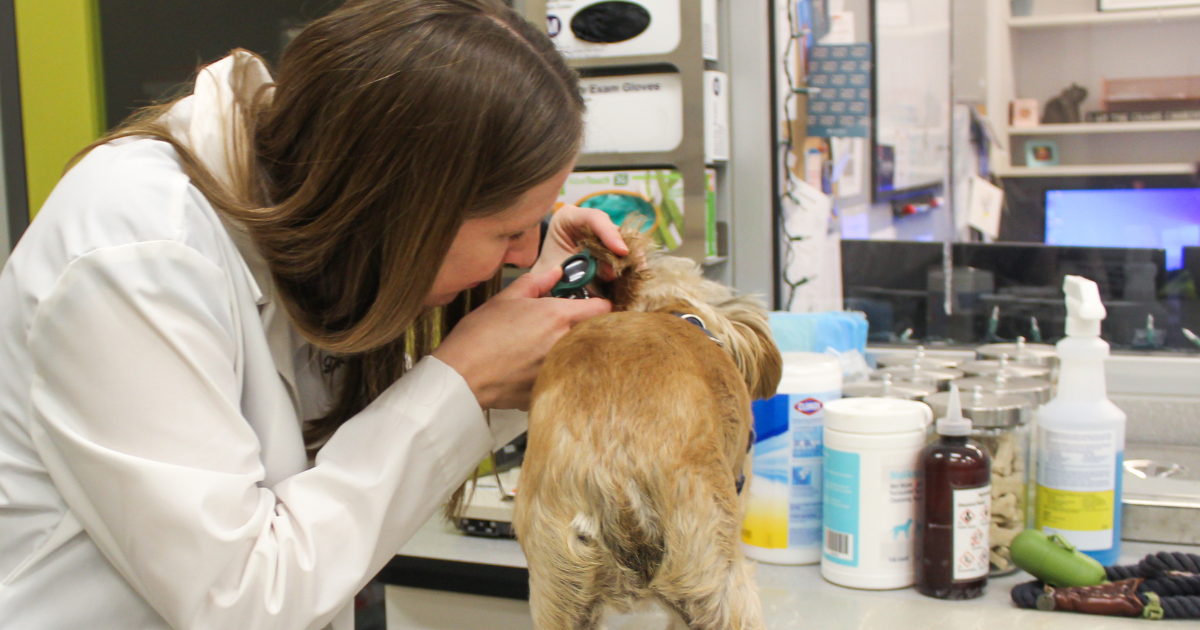
If your pet seems itchier at certain times of year, seasonal allergies may be to blame. Seasonal allergies are one of the most common reasons pets experience ongoing itching, skin irritation, and ear issues. While these changes may seem minor at first, they can quickly progress and significantly affect your pet’s comfort and quality of life.
Understanding what causes seasonal allergies and how they show up in pets can help you recognize early signs and get the right treatment. At MedVet, our board-certified dermatologists specialize in diagnosing and managing complex allergy cases to help pets find lasting relief.
What Causes Seasonal Allergies in Pets
Seasonal allergies in pets are caused by environmental triggers like pollen, mold, and dust mites that lead to itching, skin irritation, and ear issues. These conditions (also called environmental allergies or atopic dermatitis) happen when a pet’s immune system overreacts to substances in the environment. These allergens are typically harmless but can trigger inflammation in sensitive pets.
Common triggers include:
- Tree, grass, and weed pollens
- Mold spores, especially in damp environments or decaying leaves
- Dust and house dust mites, which can fluctuate with seasonal changes and indoor conditions
While some allergens are present year-round, many pets experience predictable flare-ups during spring, summer, and early fall.

Why Allergies Often Worsen Over Time
Seasonal allergies are typically lifelong and progressive. With repeated exposure to allergens, a pet’s immune response can intensify. Over time, pets may develop more frequent or severe itching, chronic skin inflammation, recurrent ear infections, and secondary bacterial or yeast infections.
Addressing concerns early can help reduce the risk of long-term complications and improve your pet’s overall comfort. Our dermatology team works with pet owners to catch these patterns early and adjust treatment plans before complications develop.
Signs of Seasonal Allergies in Dogs and Cats
Unlike humans who often experience sneezing and watery eyes, pets tend to show allergies through their skin rather than respiratory signs.
Common signs include:
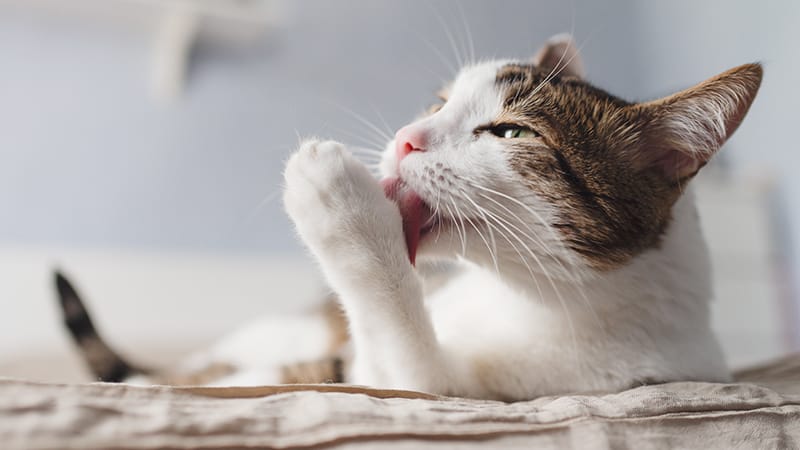
- Frequent scratching, licking, or chewing
- Red, inflamed, or irritated skin
- Hair loss or thinning coat
- Recurrent ear infections or head shaking
- Excessive paw licking or chewing
- Rubbing the face against furniture or carpet
Some pets may also develop secondary infections, which can cause odor, discharge, or increased discomfort. In cats, you might notice miliary dermatitis, a specific pattern of small, crusty bumps that can be associated with various allergic conditions.
Common Allergen Triggers: Pollen, Mold, and Dust Mites
Not all seasonal allergens behave the same way, and understanding the differences can help explain when and why your pet’s signs flare.
Pollen allergies are often the most noticeable and tend to be seasonal. Tree pollen is more common in spring, grasses in late spring and summer, and weeds in late summer and fall.
Mold thrives in damp, humid environments. Outdoor mold is often found in soil or decaying leaves, especially in fall, while indoor mold can persist year-round in basements, bathrooms, or poorly ventilated areas.
Dust and house dust mites are microscopic organisms that live in household dust. While technically a year-round allergen, their levels can increase with humidity and indoor activity, making signs seem seasonal for some pets. For more information on managing this specific allergen, read our article on house dust mite allergies.
Many pets are allergic to more than one of these triggers, which can make signs more persistent or harder to pinpoint. Allergy testing can help identify your pet’s specific triggers and guide treatment.
When to Seek Veterinary Care
If your pet is showing signs of persistent itching or discomfort, schedule a visit with your veterinarian, especially if signs are worsening or recurring.
Prompt evaluation is important if you notice signs like open sores or scabs, strong odor from the skin or ears, or frequent ear infections. Changes in behavior due to discomfort should also be addressed.
Early intervention can help prevent more serious skin issues and keep your pet comfortable year-round.
When a Veterinary Dermatologist Can Help
For pets with complex, severe, or persistent allergy issues, a veterinary dermatologist can provide specialized expertise. MedVet’s board-certified veterinary dermatologists complete additional years of intensive training focused exclusively on skin, ear, and allergy conditions in animals.
Our dermatology specialists can help when:
- Your pet’s allergies aren’t responding well to standard treatments
- Multiple skin or ear issues are occurring simultaneously
- Advanced diagnostics or allergy testing is needed
- Your pet needs long-term management with specialized therapies like immunotherapy
- You want access to the most current treatment options
MedVet dermatologists work closely with your primary care veterinarian to develop customized treatment plans based on your pet’s specific needs. Our team has access to advanced diagnostic tools and specialized treatments that can meaningfully improve your pet’s quality of life. If your pet’s condition is complex or not improving with initial treatment, ask your veterinarian about a referral to MedVet for specialized dermatology care.
Diagnosis and Treatment Options
How Seasonal Allergies Are Diagnosed
There is no single test that diagnoses seasonal allergies on its own. Instead, veterinarians take a step-by-step approach to rule out other causes of itching. This may include:
- Reviewing your pet’s history and timing of concerns
- Checking for fleas or other parasites
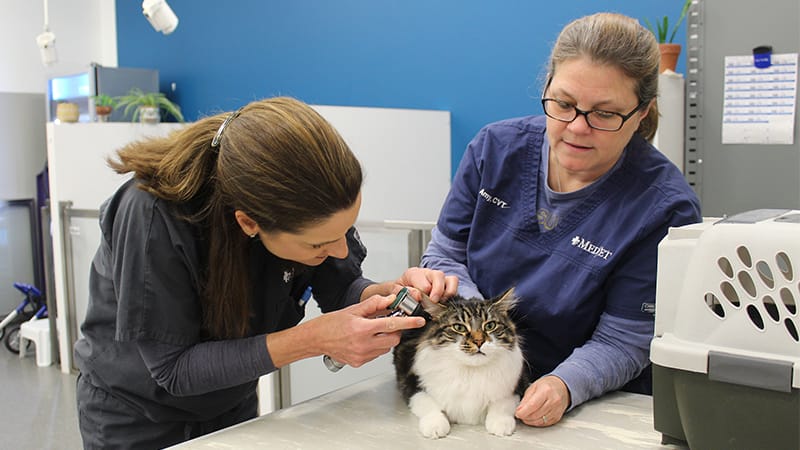
- Evaluating the skin and ears for infection
- Considering a food trial if food allergies are possible
- Allergy testing when appropriate to guide treatment
Since food allergies can cause similar signs, your veterinarian may recommend ruling them out first. Learn more about food allergies in dogs and cats to understand how they differ from environmental allergies.
Managing Your Pet’s Allergies
While seasonal allergies cannot be cured, they can be effectively managed with the right plan. Treatment depends on your pet’s signs and may include:
- Medications to control itching and inflammation
- Treatment for secondary infections
- Allergy immunotherapy (allergy shots or oral therapy)
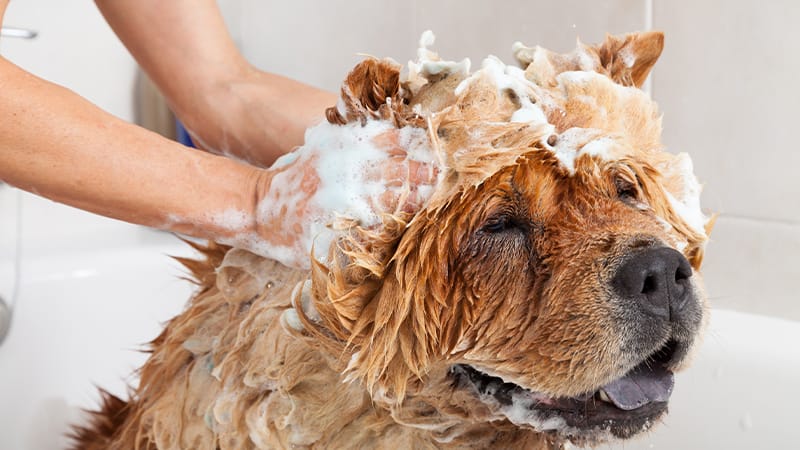
- Regular bathing to remove allergens from the skin and coat
- Environmental management to reduce exposure, such as wiping your pet’s paws after time outdoors, washing bedding regularly, vacuuming frequently, managing indoor humidity levels, and using air purifiers to help reduce airborne allergens
Because allergies can change over time, treatment plans may need to be adjusted seasonally or as your pet ages. MedVet dermatologists create flexible, long-term management plans that evolve with your pet’s needs.
Helping Your Pet Through Allergy Season
Seasonal allergies can be frustrating for both pets and their owners, but they are manageable. Tracking patterns in your pet’s signs and working closely with your veterinary team helps ensure your pet stays comfortable.
Most pets respond well to treatment and maintain a good quality of life, even during peak allergy seasons. If your pet is struggling with persistent allergies, our dermatology specialists are here to help. Find a MedVet location near you to schedule a consultation.
Visit our Pet Care Resources library for more pet health and safety information.
FAQs
How do I know if my pet has seasonal allergies?
Pets with seasonal allergies often show signs like itching, licking, red skin, or recurrent ear infections, especially during certain times of the year.
What time of year are seasonal allergies worst for pets?
Spring, summer, and early fall are most common due to pollen, though mold and dust mites can cause signs year-round.
Can pets be allergic to more than one thing at the same time?
Yes, many pets react to multiple allergens like pollen, mold, and dust mites, which can make signs more persistent.
Do seasonal allergies in pets go away on their own?
No, they are typically lifelong but can be managed effectively with veterinary care and ongoing treatment.
Learn More
Veterinary dermatology specialists treat skin, coat, ear, nail, footbed, and allergy conditions in pets.
Veterinary DermatologyShare




Contents
Learn More
Veterinary dermatology specialists treat skin, coat, ear, nail, footbed, and allergy conditions in pets.
Veterinary Dermatology