Pet Blood Donation: Why It Matters and How MedVet Is Addressing a Critical Need
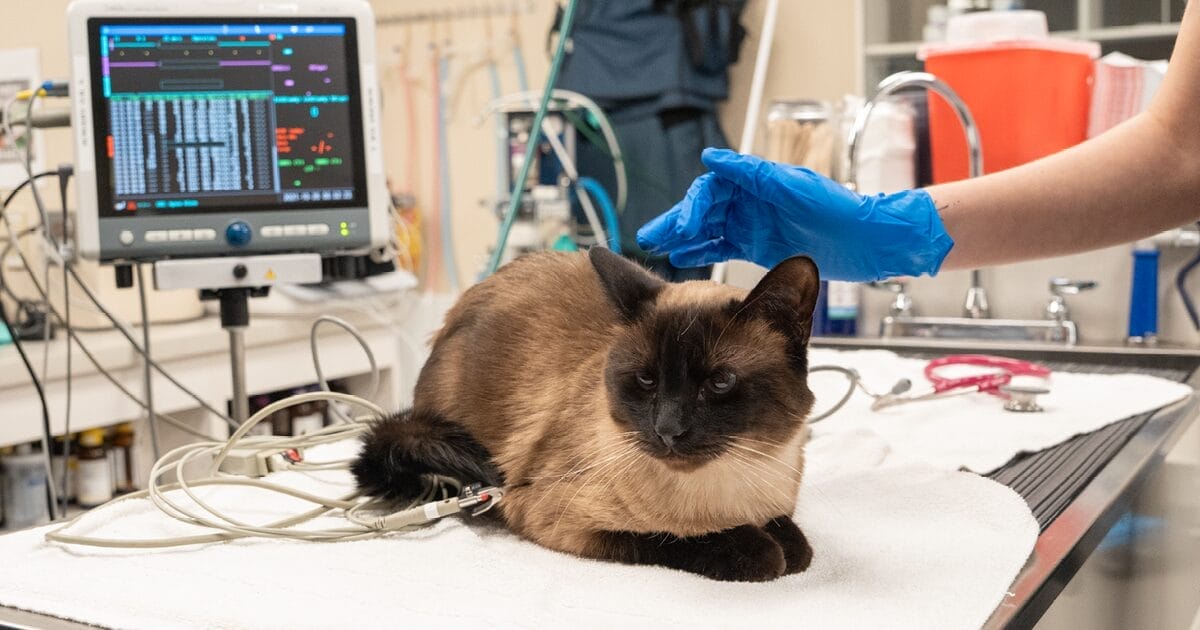
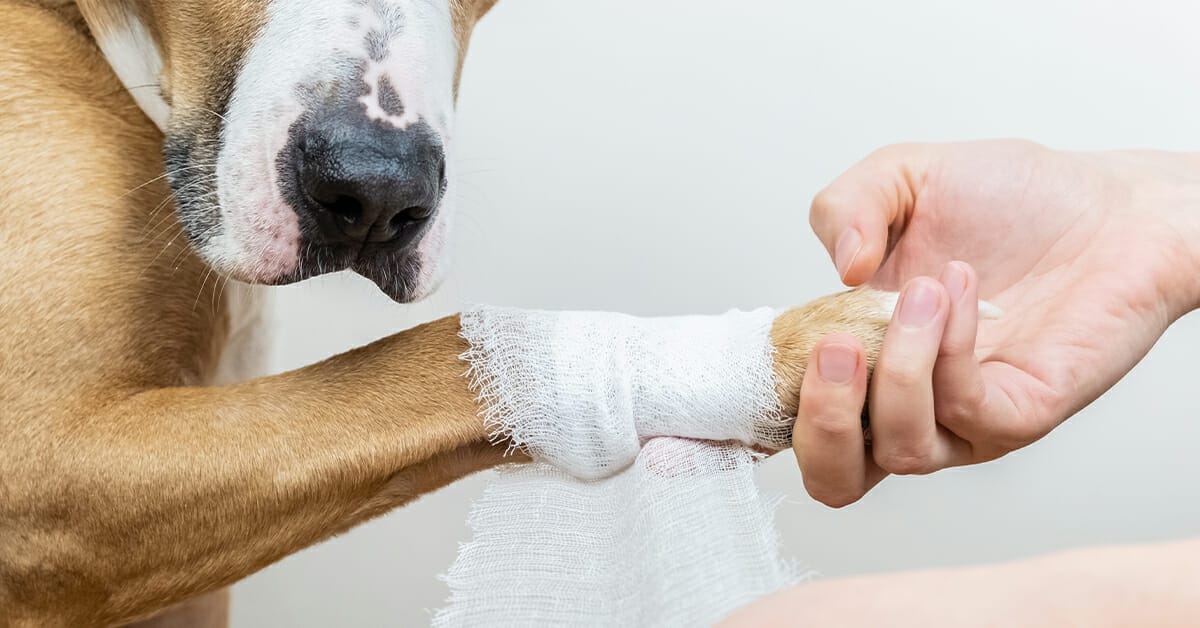
Blood donation is vital in veterinary medicine—dogs and cats depend on donor blood for lifesaving transfusions.
A family arrives at an emergency veterinary hospital with their pet after a serious injury. The patient has lost blood, and their condition is worsening.
The caregiver team moves quickly, stabilizing them, preparing for surgery, and gathering the resources needed to treat the pet. That includes something essential: blood products to help replace what they’ve lost.
In veterinary medicine, there is no synthetic substitute for blood. Every transfusion depends on a donated supply being available—often at a moment’s notice.
For teams across MedVet, situations like this are a routine part of emergency and specialty care. They also highlight an ongoing challenge in veterinary medicine: ensuring consistent access to a safe, reliable blood supply.
To help address that need, MedVet has established regional blood banks at select hospitals to ensure a reliable blood supply during shortages and increase access to whole blood — made possible by the pets of MedVet caregivers (our team members) who serve as donors.
Why Pet Blood Donation Matters
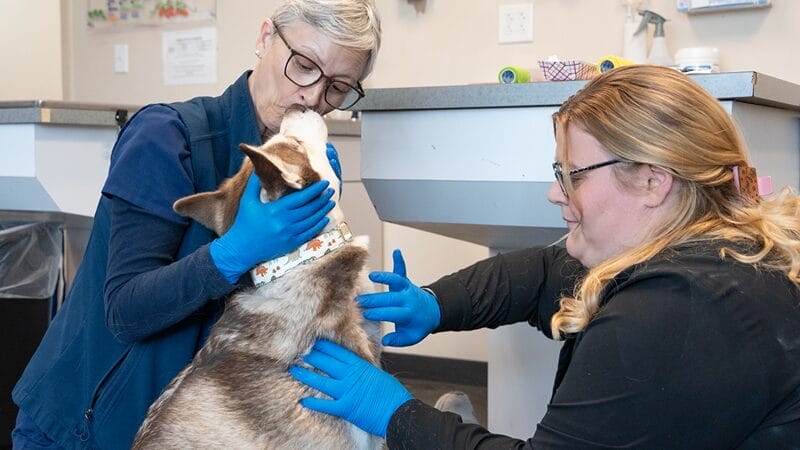
Blood transfusions are a critical part of veterinary medicine, used in a wide range of emergencies and specialty situations.
Some of the most common include:
- Trauma cases, such as hit-by-car injuries or internal bleeding
- Complex or high-risk surgeries
- Immune-mediated diseases that destroy red blood cells
- Certain cancers or clotting disorders
In these cases, blood products help stabilize patients, support oxygen delivery, and allow veterinary teams to move forward with treatment safely.
While some transfusions are anticipated, others are not. A routine procedure can become more complicated, or a hospitalized pet’s condition can change quickly. Having blood available allows teams to respond without delay.
Blood Saves Lives—Even in Pets. There is no artificial substitute for blood in veterinary medicine. Every transfusion depends on a donated supply, making donor programs essential to patient care.
Where Pet Blood Comes From—and Why Supply Is Limited
Unlike human medicine, veterinary care does not have a large, centralized blood donation system.
Most veterinary hospitals rely on external suppliers that collect, process, and distribute blood products. These organizations are an important part of the system—but supply is often limited and not always flexible.
“There is a huge backorder, and it’s very difficult,” says Dr. Chiara Costanzo, Medical Director for MedVet Akron. “For some types of products, it can take up to six months to make changes to how much you’re ordering.”
That means hospitals must plan far in advance, even though patient needs can change daily. At the same time, blood products have a limited shelf life. Teams must carefully balance:
- Ordering enough to support patient care
- Avoiding excess that may expire before it can be used
“You don’t want to keep too much in stock because it will expire,” Dr. Costanzo explains. “And it’s not just wasted money—it’s a resource that could have helped another pet.”
The result is a system that requires constant coordination, with little room for sudden increases in demand.
Why Pet Blood Donors Are Always Needed
Because supply is limited and demand can be unpredictable, pet blood donors play a vital role in veterinary medicine.
Donor programs help ensure hospitals can:
- Respond to emergencies
- Support advanced procedures
- Continue care for pets with ongoing medical conditions
Without a steady donor base, access to blood products can become a limiting factor in care.
Veterinary teams across the country continue to face challenges with blood availability, particularly for certain products and blood types.
Why Blood Transfusions in Cats Are More Complex
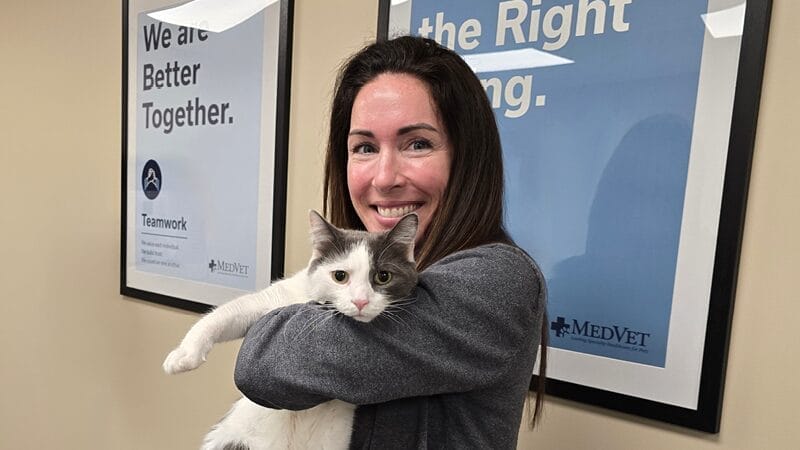
Blood transfusions in cats require an added level of precision.
Cats have three primary blood types—A, B, and AB—and unlike dogs, there is no universal donor. They also have naturally occurring antibodies against other blood types, which means even a first transfusion must be carefully matched.
Without proper blood typing and crossmatching, even one transfusion can trigger a life-threatening reaction.
Blood type distribution also varies. While Type A is most common, some breeds have a higher likelihood of Type B, making it important for hospitals to have access to multiple blood types.
For veterinary teams, this makes feline blood supply especially important, and often more difficult to maintain.
How MedVet Is Expanding Access to Blood Products
To help address these challenges, MedVet established regional blood banks at select locations to develop internal blood donor programs.
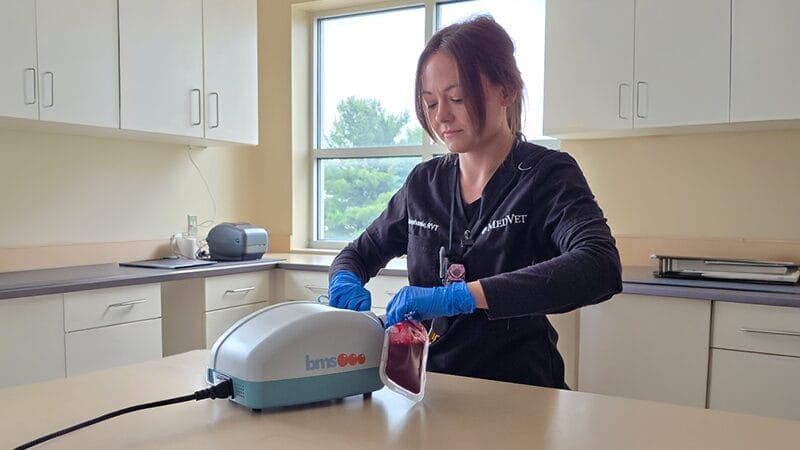
Regional blood banks are now active at several hospitals across the country — including Akron, Chicago, Columbus, Dallas, Mandeville, New Orleans, and Pittsburgh — and are equipped with specialized technology to process blood into components such as packed red blood cells and plasma, with greater storage capacity than standard hospital locations. These hospitals focus on:
- Building a more reliable, local supply of blood products
- Reducing reliance on external sources with long lead times
- Supporting thoughtful collection, storage, and use
Selected in part for their strategic geographic locations, regional blood banks are positioned to serve nearby MedVet hospitals that need access to processed blood components. This approach extends the impact of each regional blood bank beyond a single location, supporting care across a broader regional network.
In addition to regional blood banks, all MedVet hospitals maintain local caregiver donor programs made up of prescreened dogs and cats who are ready to donate fresh whole blood when a patient needs it or when a hospital’s supply runs low. Regional blood banks build on this foundation with scheduled donor programs, specialized equipment, and advanced team member training — enabling those hospitals to safely collect, process, store, and distribute a full range of blood products while also supporting fresh whole blood needs on-site.
Across all MedVet hospitals, strict protocols guide every step of blood collection, handling, and use to ensure each donation meets the highest standards of safety and quality.
“This is about building a system that is both reliable and responsible,” says Dr. Jay Gladden, MedVet’s Director of Medical Quality. “We want to ensure that when a patient needs blood, it’s available—and that every donation is handled with the highest level of care.”
This approach allows hospitals to respond more effectively to patient needs while maintaining careful stewardship of each donation.
"Blood is one of the most valuable resources we use in patient care."
– Dr. Jay Gladden
How Pet Blood Donation Works at MedVet
At this stage, MedVet’s donor programs rely on a specific group of participants: caregiver pets.
These are pets owned by MedVet team members who meet established health and eligibility criteria. Donor pets must:
- Be between one and eight years old
- Meet minimum weight requirements
- Be healthy and up to date on vaccinations
- Have a temperament that allows for safe, low-stress handling
Each pet undergoes screening to ensure donation is appropriate and safe.
For some team members, that commitment is deeply personal. Dr. Costanzo has enrolled her own three cats as blood donors in the program, which is an example of how MedVet caregivers are directly contributing to the same lifesaving efforts they lead every day.
Blood collection is performed by trained veterinary professionals in a controlled environment designed to keep donor pets comfortable.
The process is similar to other routine veterinary visits and typically takes a short amount of time. Donor pets are monitored throughout to ensure their safety and wellbeing.
After collection, blood products are:
- Processed and tested
- Typed for compatibility
- Stored under controlled conditions
Inventory is tracked so teams know what is available and can plan for patient needs.
Because donors are known and regularly evaluated, the program provides an added level of consistency and oversight.
Using Every Donation Responsibly
Blood is a limited and valuable resource. MedVet teams take a careful approach to how it is managed and used.
That includes:
- Matching products appropriately to each patient
- Minimizing waste due to expiration
- Coordinating inventory based on anticipated needs
“Blood is one of the most valuable resources we use in patient care,” Dr. Gladden explains. “Our responsibility is to use it thoughtfully, matching the right product to the right patient while minimizing waste and maintaining quality at every step.”
The goal is not only to increase access, but to ensure each donation is used in a way that supports the greatest possible impact for patients.
What This Means for Pet Owners
Most pet owners never expect their dog or cat to need a blood transfusion. But in emergency and specialty care, it is a common and often essential part of treatment.
Behind the scenes, veterinary teams are working to ensure that blood products are available, safe, and ready to use as part of that care. Programs like MedVet’s blood bank initiative are one way veterinary hospitals are addressing ongoing supply challenges—by building more reliable systems and investing in the resources that support patient care.
As Dr. Gladden notes, “Programs like this are an important step forward, not just for MedVet, but for advancing how veterinary medicine approaches blood banking and transfusion care more broadly.”
Through its regional blood bank program, MedVet is working to strengthen access to this critical resource while maintaining a focus on safety, quality, and responsible use.
It’s one example of how veterinary teams continue to adapt and find solutions that support both patients and the people who care for them.
If you have questions about blood donation or transfusion services at your local MedVet hospital, please contact them directly.
FAQs
Do pets really need blood transfusions?
Yes. Transfusions are commonly used in emergencies, surgeries, and conditions like trauma, anemia, or clotting disorders.
Where does veterinary blood come from?
Most come from donor programs or specialized suppliers. Some hospitals, like MedVet, have internal blood banks to improve access.
Why are cat blood transfusions more complicated?
Cats have specific blood types and must be carefully matched to avoid serious reactions.
Can my pet donate blood at MedVet?
Currently, MedVet’s program uses caregiver-owned pets. This allows us to closely monitor donor health, ensure consistent screening, and maintain a high level of safety for both donors and patients who receive transfusions.
Learn More
For ways to ensure your pet lives a happier, healthier life, visit our Pet Care Resources library.
Pet Care ResourcesShare



Contents
Learn More
For ways to ensure your pet lives a happier, healthier life, visit our Pet Care Resources library.
Pet Care Resources