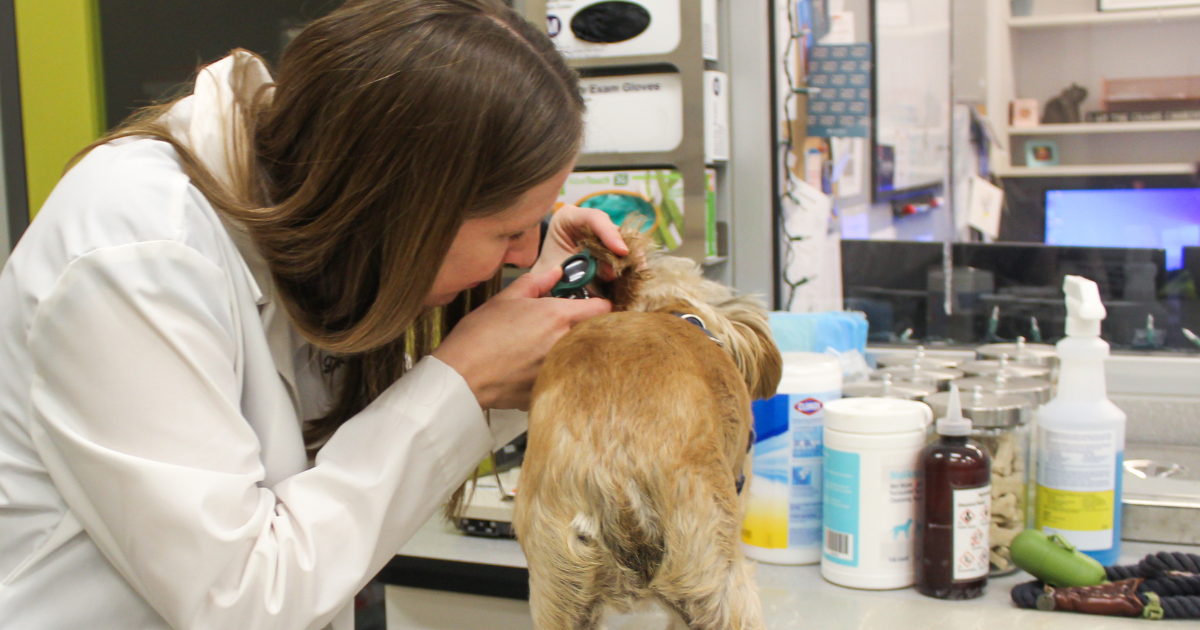

Environmental Allergies in Dogs: How to Reduce Exposure to Pollen, Mold, and Dust Mites
Learn how to reduce pollen, mold, and dust mite exposure to help manage your dog's environmental allergies and itching.
If your dog experiences recurring itching or skin irritation, allergens in the environment may be the cause. Allergens such as pollen, mold, and dust mites can trigger allergic skin disease, ear infections, and other uncomfortable symptoms.
Although you cannot completely eliminate these allergens, reducing your dog’s exposure may help minimize flare-ups and improve comfort. Along with veterinary treatment, simple changes at home can make a meaningful difference.
Understanding Environmental Allergies in Dogs
Environmental allergies, also called atopic dermatitis, occur when a dog’s immune system overreacts to substances in its surroundings. These allergies often develop gradually and may become more noticeable as dogs reach adulthood. Common triggers include mold, house dust mites, and tree, grass, and weed pollen.
Many dogs are allergic to more than one environmental allergen, which can make signs seasonal or year-round. Pets with environmental allergies often experience:
- Excessive scratching, licking, or chewing
- Red or inflamed skin
- Recurrent ear infections
- Paw licking or chewing
- Face rubbing
- Hair loss from chronic itching
Because these signs can overlap with other skin conditions, a veterinary examination is important to determine the underlying cause.

Managing Pollen Allergies
Of all environmental allergens, pollen is the most seasonal — peaking in spring, summer, and fall as trees, grasses, and weeds release it — and is covered in more detail in our seasonal allergy blog post.
Although it’s impossible to completely avoid pollen exposure, you can help reduce the amount your dog brings into the home.
Keep your lawn trimmed and avoid allowing your dog to spend extended periods in tall grass or heavily vegetated areas. During times of high pollen counts, especially early morning and evening, limiting outdoor activity may help. Keep your dog indoors while mowing the lawn as well, since mowing stirs pollen and grass particles directly into the air.
After walking outdoors or spending time outside, wipe your dog’s paws, legs, and coat with water or a damp cloth to remove pollen that may cling to the fur. For dogs with more significant allergies, rinsing the coat after outdoor activity may also help.
Keeping windows closed and using air conditioning when possible may also help reduce indoor pollen exposure.
Managing Mold Allergies
Mold thrives in damp, humid environments and can be found both indoors and outdoors. Outside, mold is commonly present in decaying leaves, mulch, compost piles, and shaded damp areas. Inside the home, mold may accumulate in basements, crawl spaces, bathrooms, or poorly ventilated rooms.
To help reduce mold exposure, limit your dog’s access to damp outdoor areas such as spaces under decks, beneath bushes, and in mulched beds. Inside the home, address moisture issues promptly, use a dehumidifier in humid spaces, and regularly clean humidifiers. Keeping houseplants to a minimum may also help, as moist potting soil can be a source of indoor mold. If possible, avoid dusty dog foods and environments such as barns where mold spores may be more concentrated.

Managing Dust Mite Allergies
Dust mites are microscopic organisms that live in household dust and thrive in warm, humid environments. They are commonly found in carpeting, upholstered furniture, mattresses, pillows, and pet bedding.
While dust mites cannot be completely eliminated, there are ways to reduce their presence. Wash your dog’s bedding weekly in hot water and allow it to dry thoroughly before use. If your dog spends time on furniture or sleeps in bed with family members, dust mite-resistant covers may help. Frequent vacuuming and cleaning can reduce dust accumulation throughout the home, and dogs with significant dust mite allergies may benefit from limited access to heavily carpeted areas and upholstered furniture. Avoid stuffed toys, which can harbor dust mites, and consider using a dehumidifier or air conditioning to reduce indoor humidity.
When to seek veterinary care.
If your dog is constantly scratching, develops recurrent ear infections, or shows signs of skin irritation that don't improve with environmental changes, schedule a veterinary exam.
When Environmental Changes Aren’t Enough
Environmental changes can help reduce allergen exposure, but they are rarely enough to fully control allergy symptoms on their own.
Many dogs with environmental allergies benefit from additional treatment, which may include medications to control itching, management of secondary skin or ear infections, medicated bathing, or allergen-specific immunotherapy.
If your dog continues to scratch, lick, chew, or experience recurrent ear infections despite environmental modifications, schedule an appointment with your veterinarian. In some cases, referral to a board-certified veterinary dermatologist may be recommended to identify allergy triggers and develop a long-term management plan.
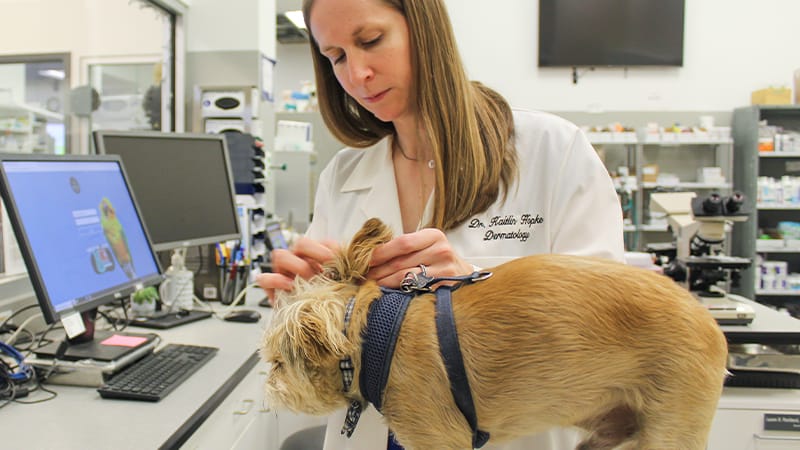
Helping Your Dog Find Relief
Environmental allergies are often a lifelong condition, but they can usually be managed successfully. By identifying triggers, reducing exposure when possible, and following your veterinarian’s recommendations, you can help your dog stay comfortable and enjoy a better quality of life.
If your pet is struggling with allergies, our dermatology specialists are here to help. Find a MedVet location near you to schedule a consultation.
Visit our Pet Care Resources library for more pet health and safety information.
About MedVet
MedVet is a nationwide network of emergency and specialty hospitals founded, owned, and led by veterinarians. Our teams provide 24/7 emergency care alongside a wide range of specialty services, with board-certified specialists collaborating across disciplines to deliver advanced, compassionate care for pets and the people who love them.
Find a MedVet location near you.
FAQs
What are environmental allergies in dogs?
Environmental allergies (atopic dermatitis) occur when a dog’s immune system overreacts to everyday substances like pollen, mold, and dust mites, leading to itching, skin irritation, and ear infections.
Can environmental allergies in dogs be cured?
No, but they can often be effectively managed. Most dogs benefit from a combination of environmental control, medical treatment, and long-term veterinary care.
When should I take my dog to the veterinarian for allergies?
If your dog has ongoing itching, frequent ear infections, or skin irritation that doesn’t improve with basic at-home changes, a veterinary evaluation is recommended.
Learn More
Veterinary dermatology specialists treat skin, coat, ear, nail, footbed, and allergy conditions in pets.
Veterinary DermatologyShare



Contents
Learn More
Veterinary dermatology specialists treat skin, coat, ear, nail, footbed, and allergy conditions in pets.
Veterinary Dermatology