Are Anesthesia-Free Dental Cleanings Safe for Dogs and Cats?
Anesthesia-free dental cleanings do not treat dental disease below the gumline and are not recommended by veterinary professionals.
You may have seen advertisements for anesthesia-free dental cleanings for dogs and cats and wondered whether they’re a safe, effective alternative to professional veterinary dental care. While these services may seem appealing, they do not treat dental disease below the gumline. Here’s what you need to know from MedVet’s dental experts.
Why Dental Disease in Pets Matters
Dental disease is one of the most common medical conditions in dogs and cats, and most pets show signs of periodontal disease by early adulthood, which can lead to pain, tooth loss, and infection. In more advanced cases, bacteria from the mouth can contribute to disease in other parts of the body if left untreated. Learn more about dental disease in dogs and cats, including how to help your pet at home.
Periodontal disease develops in stages. It begins with plaque buildup, which hardens into tartar. As bacteria accumulate along and below the gumline, they cause inflammation (gingivitis) and eventually damage the structures supporting the teeth, including bone. Pets instinctively hide signs of pain as a survival behavior, which is why many continue eating normally even with significant dental disease.
In more advanced cases, treatment may require procedures that go beyond routine cleaning, including dental X-rays, extractions, or surgical management of diseased tissue.
What Are Anesthesia-Free Dental Cleanings?
Anesthesia-free dental cleanings remove visible plaque and tartar from your pet’s teeth while they’re awake, usually using hand tools. Groomers or non-veterinary providers typically perform these procedures, focusing only on the tooth surfaces you can see.

Do Anesthesia-Free Dental Cleanings Work?
While these cleanings may make your pet’s teeth look cleaner, they don’t address the infection and inflammation that cause dental disease. Most dental disease in pets develops below the gumline—where these cleanings can’t reach. Without treating the bacteria and infection beneath the gums, disease will continue to progress.
Anesthesia-free dental cleanings are cosmetic, not medical care. They may temporarily improve appearance, but they don’t improve your pet’s oral health or prevent disease.
Anesthesia-free dental cleanings also cannot safely assess the full mouth. Without X-rays and a complete oral exam, underlying issues such as root infections, bone loss, or fractured teeth may go completely unnoticed. These conditions are often painful, even when pets continue eating normally.
While pet owners may worry about safety, cost, and anesthesia risks, the most important issue is effectiveness.
"Anesthesia-free dental cleanings may improve appearance, but they do not treat the infection and inflammation causing dental disease."
– Emily Ward, DVM, DAVDC
Safety Risks to Consider
Anesthesia-free dental cleanings carry several risks that compromise both safety and your pet’s outcomes:
- Stress and restraint: Your pet must be physically restrained during the procedure, which can cause stress and discomfort and may lead to fear or anxiety about future handling.
- Risk of injury: Sharp dental instruments used on an awake, moving pet increase the risk of injury to the gums, teeth, or soft tissues.
- Aspiration risk: Without a protected airway, your pet could inhale bacteria, water, or debris during the cleaning, potentially leading to serious complications.
- Missed diagnoses: Infections, fractured teeth, or oral tumors may go undetected without a complete oral examination and dental X-rays.
- Incomplete treatment: Even if tartar is removed from visible surfaces, untreated disease below the gumline continues to worsen and may progress to infection, pain, or tooth loss.
Not all dental cleanings are the same.
Anesthesia-free cleanings only remove buildup you can see. Dental disease starts below the gumline, where proper treatment requires anesthesia, X-rays, and a full exam.
Why Anesthesia Matters for Dental Care
Anesthesia allows your veterinary team to safely and thoroughly care for your pet’s oral health. During a professional dental procedure under anesthesia, your veterinarian can:
- Clean below the gumline where disease begins
- Take dental X-rays to evaluate tooth roots and supporting bone
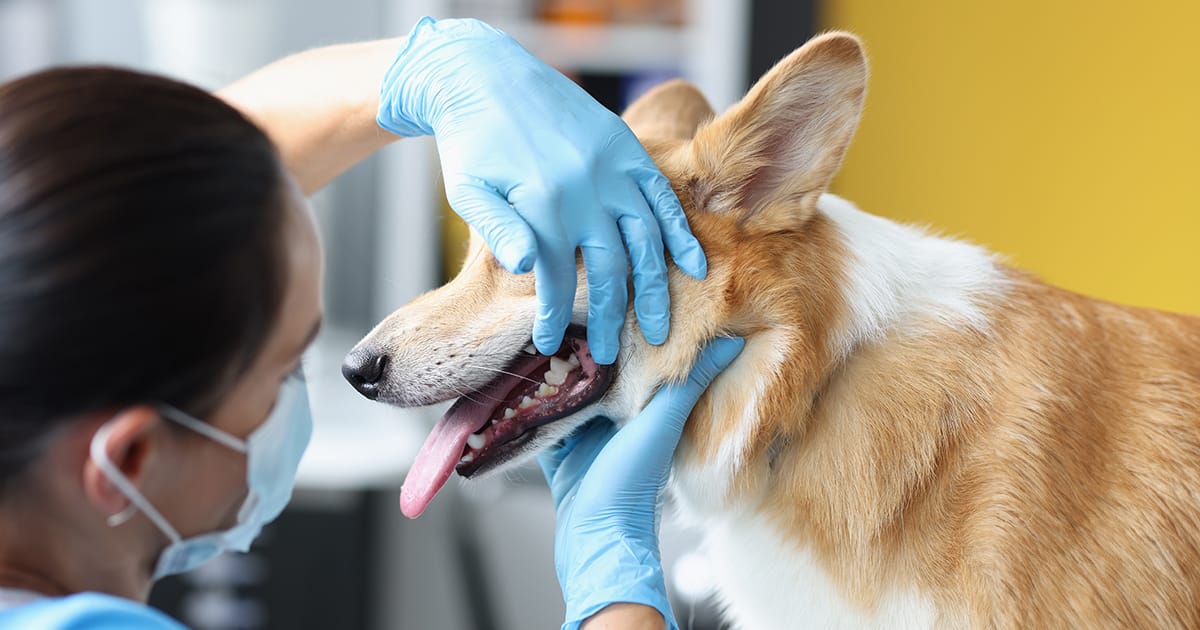
- Perform a complete oral examination
- Treat problems like infections, damaged teeth, or other abnormalities
- Protect your pet’s airway from aspiration
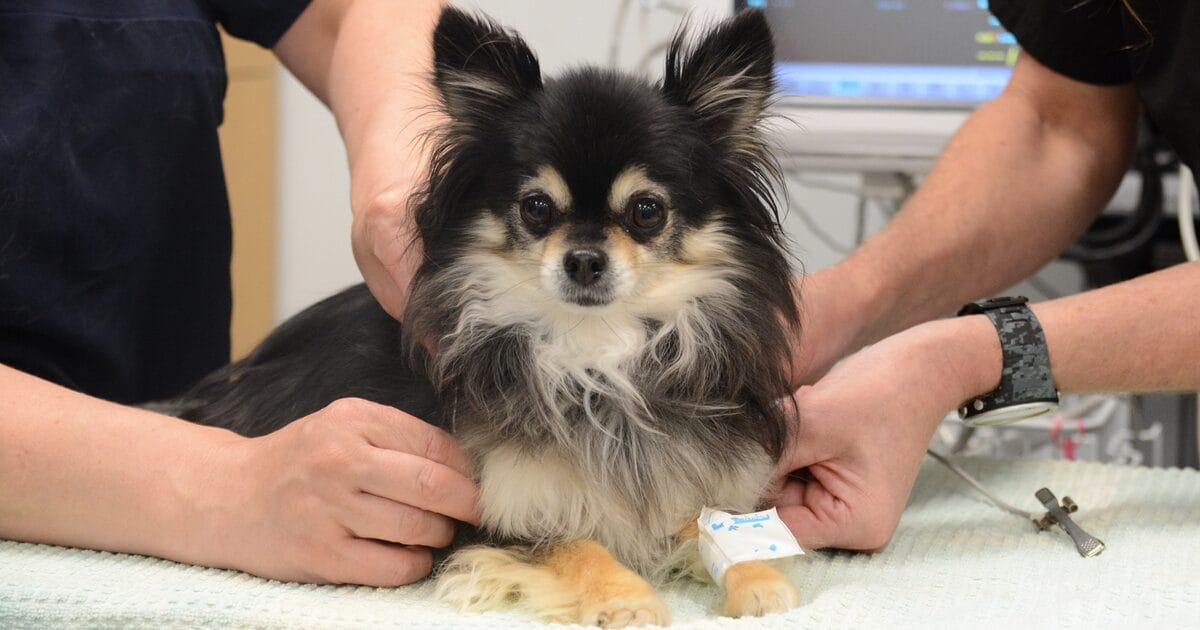
Modern veterinary anesthesia is safe. Your pet receives a careful pre-anesthetic evaluation and close monitoring throughout the procedure, including heart rate, oxygen levels, blood pressure, and breathing.
At MedVet, anesthesia planning is integrated into comprehensive dental and surgical care for pets with both routine and complex conditions. For cases involving advanced dental disease, concurrent medical concerns, or higher anesthetic risk, our teams can coordinate diagnostics, imaging, anesthesia, and treatment in a single continuum of care when appropriate.

What Veterinary Experts Say
The American Veterinary Medical Association (AVMA) and the American Veterinary Dental College (AVDC) do not recommend anesthesia-free dental cleanings because they don’t meet the standard of care for treating dental disease. Both organizations recognize only professionally performed dental procedures under anesthesia as appropriate veterinary dental care.
How to Support Your Pet’s Dental Health
The best approach combines at-home care with professional veterinary cleaning:
- Daily tooth brushing is the top recommendation for home dental care. Use pet-safe toothpaste (never human toothpaste, which can be toxic) and a soft-bristled brush or finger brush. Start slowly if your pet isn’t used to it, gradually working up to brushing all teeth. Even a few times per week can make a difference.
- Dental chews and products approved by the Veterinary Oral Health Council (VOHC) can help reduce plaque and tartar between cleanings. Look for the VOHC seal on products, this means they’ve been tested and shown to be effective. Not all dental products are created equal, so check the VOHC website for approved options.
- Regular professional cleaning is essential, even with excellent home care. According to the AVDC, cats and small dogs should begin routine preventive periodontal care at one year of age, while large breed dogs should start at two years. From there, every pet should receive a complete oral evaluation with dental imaging at least every 12 months, though your veterinarian may recommend more frequent visits based on your pet’s individual needs.
If your pet needs advanced dental care, your veterinarian may refer you to a board-certified veterinary dentist.

The Bottom Line
Anesthesia-free dental cleanings only address what you can see—not the underlying causes of dental disease. They may create additional risks or delay treatment your pet needs.
Professional veterinary dental cleanings performed under anesthesia are the safest and most effective way to protect your pet’s oral health. This approach helps prevent pain, infection, and long-term dental disease progression.
In many cases, pets with significant dental disease benefit from evaluation by a veterinary team equipped to perform advanced imaging, anesthesia management, and oral surgery when needed.
If you have questions about your pet’s dental health or are considering an anesthesia-free cleaning, talk with your veterinarian or a MedVet dental specialist. We’re here to help you make the best decision for your pet.
Visit our Pet Care Resources for more pet health and safety information.
About MedVet
MedVet is a nationwide network of emergency and specialty hospitals founded, owned, and led by veterinarians. Our teams provide 24/7 emergency care alongside a wide range of specialty services, with board-certified specialists collaborating across disciplines to deliver advanced, compassionate care for pets and the people who love them.
Find a MedVet location near you.
FAQs
Are anesthesia-free dental cleanings safe for dogs and cats?
Anesthesia-free dental cleanings are not considered safe or effective because they only clean visible tooth surfaces and do not address disease below the gumline. They also carry risks such as injury, stress, and missed dental disease.
Why do veterinarians recommend dental cleanings under anesthesia?
Veterinarians recommend anesthesia because it allows for a complete oral exam, dental X-rays, and thorough cleaning below the gumline. It also protects your pet’s airway and allows pain-free treatment of dental disease.
Can anesthesia-free dental cleanings replace a professional dental cleaning?
No. Anesthesia-free cleanings are considered cosmetic and do not treat the underlying infection and inflammation that cause dental disease. Professional veterinary dental cleanings are required to properly diagnose and treat oral health issues.
Is anesthesia safe for dental cleanings in pets?
Modern veterinary anesthesia is safe, especially with proper pre-anesthetic evaluation and monitoring. Your veterinary team continuously monitors vital signs to ensure your pet’s safety throughout the procedure.
Learn More
Veterinary dentistry and oral surgery specialists diagnose and treat dental disease, oral injuries, and other complex oral conditions.
Veterinary Dentistry & Oral SurgeryShare




Contents
Learn More
Veterinary dentistry and oral surgery specialists diagnose and treat dental disease, oral injuries, and other complex oral conditions.
Veterinary Dentistry & Oral Surgery