Gastric Dilatation-Volvulus (GDV) in Dogs: A Life-Threatening Emergency
GDV is a life-threatening emergency in dogs. Learn the warning signs, treatment, and how fast action can save lives.
When it comes to veterinary emergencies, few conditions demand faster action than gastric dilatation-volvulus, commonly known as GDV or “bloat.” This life-threatening condition can progress from the first signs to fatal complications in a matter of hours, making immediate recognition and rapid intervention critical to your pet’s survival.
At MedVet, our emergency and critical care teams see GDV cases regularly, and we understand how frightening this diagnosis can be for pet families. Our goal is to equip you with the knowledge to recognize warning signs early and understand what to expect if your pet faces this serious condition.
What Is Gastric Dilatation-Volvulus (GDV)?
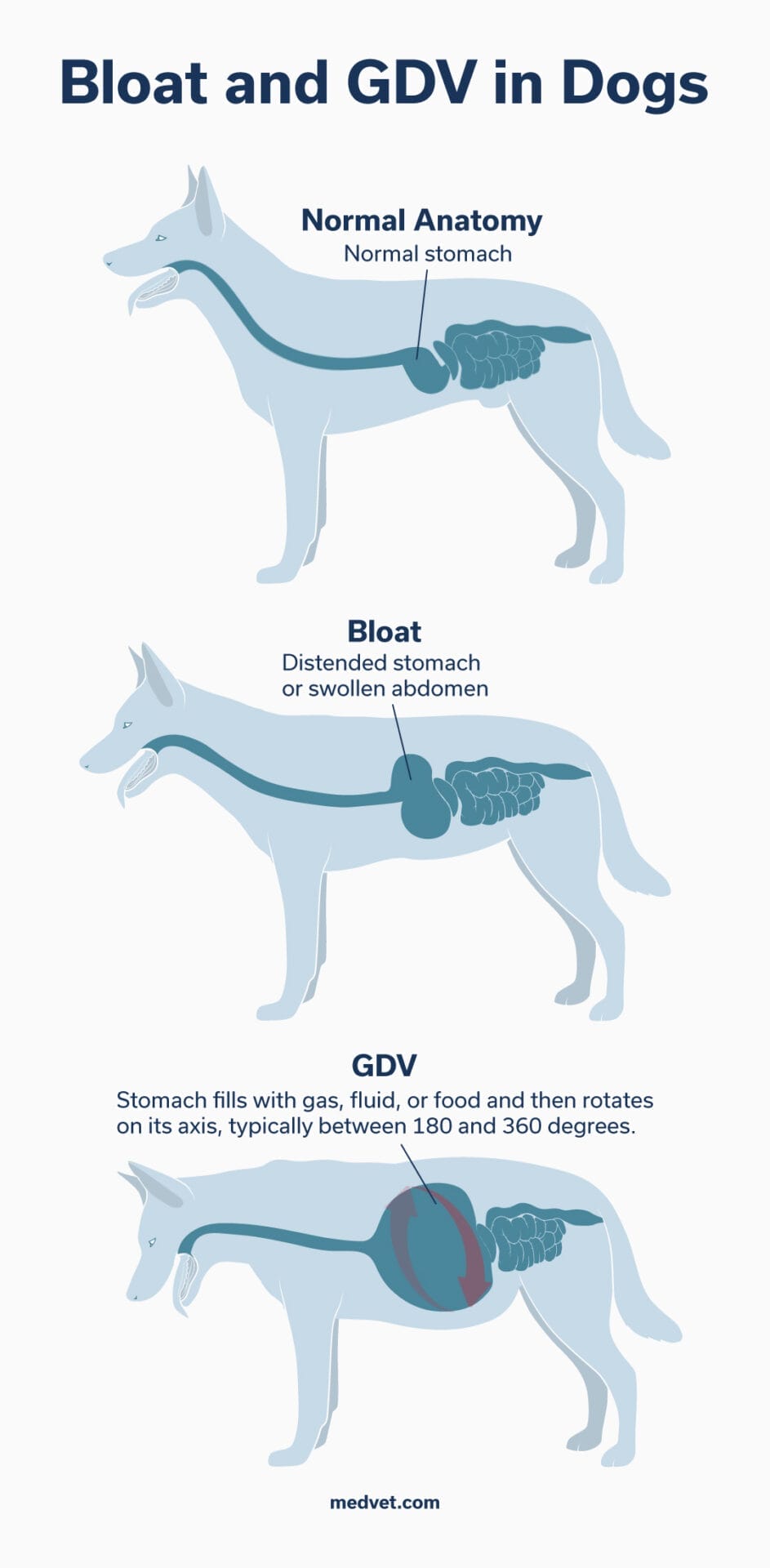
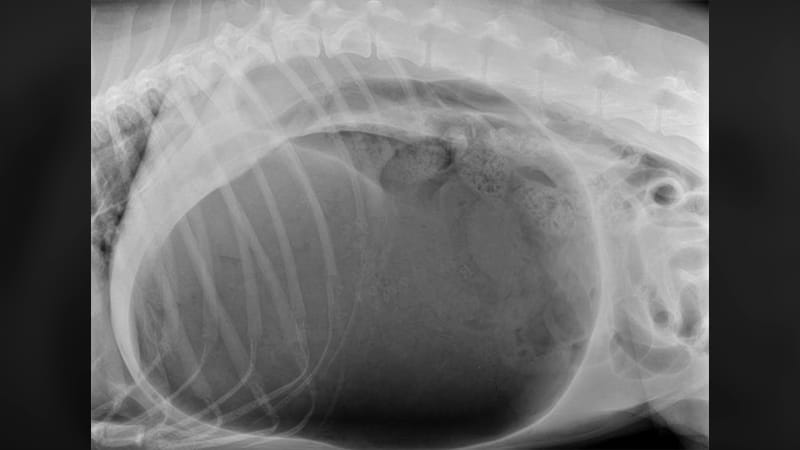
Gastric dilatation-volvulus, commonly known as GDV or “bloat.” occurs when a dog’s stomach fills with gas, fluid, or food (dilatation) and then rotates on its axis (volvulus), typically between 180 and 360 degrees. This rotation effectively seals both the entrance and exit of the stomach, trapping its contents and preventing the release of accumulated gas.
The consequences are immediate and severe. The twisting cuts off blood supply to the stomach tissue, and the rapidly expanding organ compresses major blood vessels in the abdomen, particularly the large veins returning blood to the heart. Additionally, the distended stomach presses against the diaphragm, compromising the lungs’ ability to expand and making breathing increasingly difficult.
Without emergency intervention, GDV triggers a cascade of life-threatening complications: cardiovascular shock, cardiac arrhythmias, tissue necrosis, systemic toxemia, and ultimately, death. Studies show that even with treatment, mortality rates can range from approximately 10% to 30%.
Why Certain Dogs Are at Higher Risk for GDV
Breed and Body Type
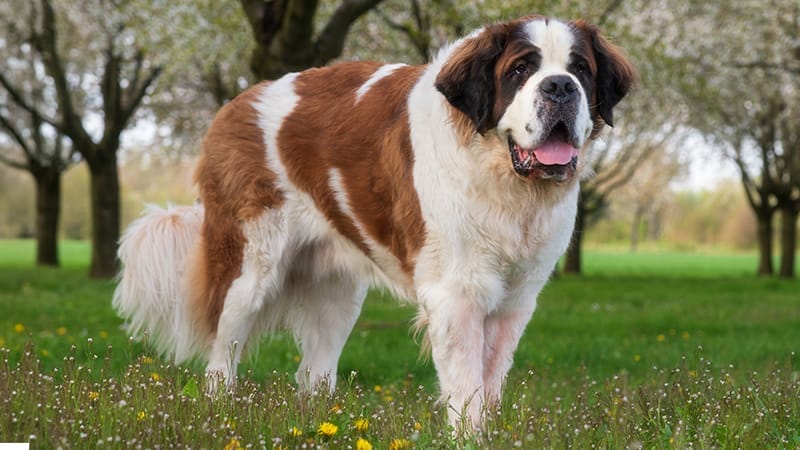
Large and giant-breed dogs with deep, narrow chests are disproportionately affected. High-risk breeds include but are not limited to:
- Great Danes
- Saint Bernards
- Weimaraners
- Irish Setters
- Standard Poodles
- Basset Hounds
- Doberman Pinschers
Age and History
- Dogs over seven years old face increased risk
- Previous episodes of GDV or even simple gastric dilatation significantly elevate future risk
- Dogs with first-degree relatives who experienced GDV have a significantly increased risk
Behavioral and Feeding Factors
- Eating one large meal daily rather than multiple smaller meals
- Rapid eating or drinking
- Elevated food bowls
- Exercise immediately before or after meals
- Stress or anxiety
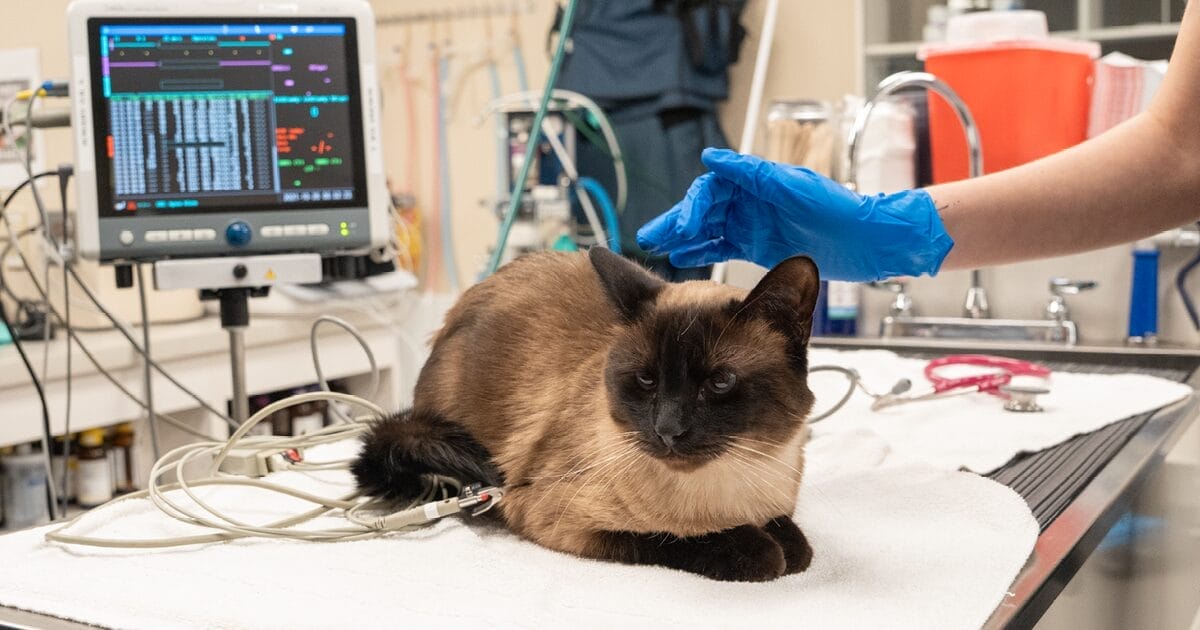
Although GDV is extremely rare in cats, it has been documented; any cat presenting with a distended, painful abdomen and signs of distress should receive immediate veterinary evaluation.
Recognizing the Warning Signs of GDV
GDV typically presents as a sudden onset of signs that rapidly worsen. Pet owners should watch for:
Early Signs
- Restlessness, pacing, or inability to get comfortable
- Anxiety or whining
- Frequent attempts to vomit or defecate without producing anything (unproductive retching)
- Excessive drooling or foaming at the mouth
- Looking at or biting at the abdomen
- Hunched posture
"GDV can become life-threatening in hours—recognizing the signs early and acting fast can save your dog’s life."
– Monty Galley, DVM, DACVS (Small Animal)
Progressive Signs
- Visibly distended, tympanic (drum-like) abdomen
- Rapid, shallow breathing or obvious difficulty breathing
- Pale or white gums (indicating poor circulation)
- Weak pulse
Critical Signs Indicating Advanced Shock
- Collapse or inability to stand
- Unconsciousness
- Irregular heartbeat
- Bluish gums or tongue (cyanosis)
If you observe even early signs of GDV, consider it a true emergency. Do not wait to see if signs improve. Contact your veterinarian or closest emergency hospital immediately.
Emergency Diagnosis and Treatment for GDV
Upon Arrival: Rapid Assessment
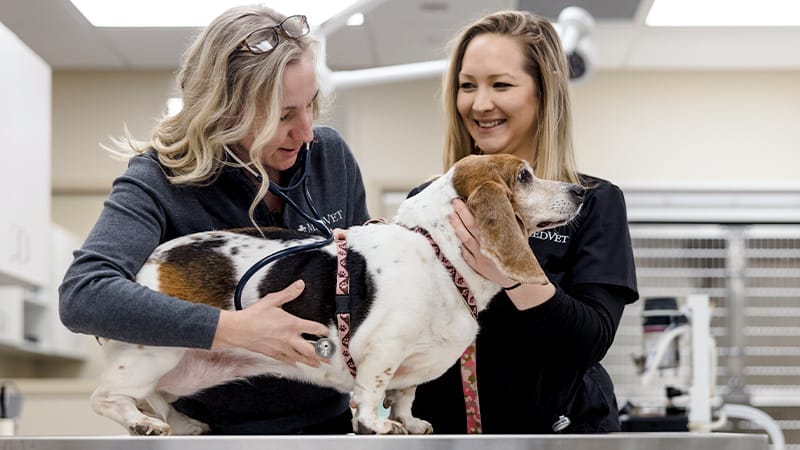
When your pet arrives at a MedVet location with suspected GDV, our emergency team immediately evaluates vital signs and palpates the abdomen to assess distension, firmness, and pain level. This quick triage determines the severity and guides immediate next steps.
Confirming the Diagnosis
Radiographs (X-rays) are the gold standard for confirming GDV. The classic “double bubble” appearance distinguishes true volvulus from simple gastric dilatation, allowing our team to proceed with appropriate treatment.
Simultaneously, we perform:
- An electrocardiogram (ECG) to detect cardiac arrhythmia, a common and potentially life-threatening complication
- Bloodwork to assess electrolyte imbalances, acid-base status, kidney and liver function, and lactate levels that indicate shock severity
Immediate Stabilization
Treatment begins while diagnostics are underway. Large-bore IV catheters deliver aggressive fluid therapy to restore blood pressure and combat shock. Gastric decompression—performed through orogastric intubation or trocarisation—relieves dangerous pressure buildup in the stomach. Additional supportive care includes pain management, anti-nausea medications, oxygen supplementation, and broad-spectrum antibiotics.
Emergency Surgery
Once your pet is stabilized, surgery is almost always necessary to untwist the stomach, evaluate tissue damage, and prevent recurrence. During the procedure, your veterinary surgeon will:
- Reposition the stomach (derotation) to its normal anatomical location
- Evaluate the spleen, which can twist along with the stomach and may require removal if damaged
- Assess tissue viability and remove any necrotic (dead) stomach tissue
- Perform a gastropexy by surgically attaching the stomach to the abdominal wall. Gastropexy is critical for prevention, reducing recurrence rates from approximately 80% without the procedure to less than 5% with it.
Post-Operative Recovery: The First Critical Days
Following surgery, your pet will require intensive monitoring and supportive care, typically for 24–72 hours or longer depending on severity and complications.
Hospital focus includes:
- Continuous cardiac monitoring for arrhythmias
- Pain management and electrolyte balance
- Nutritional support
- Monitoring complications such as aspiration pneumonia or sepsis
Factors Affecting Your Pet’s Prognosis
Factors that influence your pet’s outcome include:
- Time from sign onset to treatment
- Extent of stomach necrosis
- Pre-existing cardiac disease
- Development of complications (e.g., aspiration pneumonia)
Studies indicate that when the stomach wall remains viable and no portion needs to be removed, survival rates often exceed 80–90% with appropriate treatment.
Home Recovery and Long-Term Care
Once your pet is discharged, your role in recovery becomes crucial:
- Strict rest and limited activity
- Monitor the incision site daily
- Administer all medications as prescribed
- Feed small, frequent meals
Long-term feeding recommendations include:
- Multiple smaller meals daily
- High-quality, easily digestible diet
- Avoid exercise for at least one hour before and two hours after meals
Learn more about caring for your pet after surgery.
Prevention of Bloat and Final Thoughts
While we cannot eliminate GDV risk entirely, evidence-based strategies can significantly reduce it:
- Prophylactic gastropexy: For high-risk dogs, many veterinarians recommend preventive gastropexy during spay/neuter or as a standalone procedure. This surgical prevention dramatically reduces the risk of life-threatening volvulus.
- Slow feeding: Use slow-feeder bowls or puzzle feeders for dogs who eat rapidly. Fast eating causes excessive air swallowing, which contributes to gastric dilatation. Slowing their pace helps prevent the dangerous stomach expansion that leads to GDV.
GDV is one of the most time-sensitive emergencies for dogs in veterinary medicine. If your dog shows any signs of bloat—especially if they’re a high-risk breed—seek immediate veterinary care. Your quick recognition and action give your pet the best chance at a full recovery.
Visit our Pet Care Resources library for more pet health and safety information.
FAQs
How quickly does GDV (bloat) progress in dogs?
GDV can worsen within hours. Once the stomach twists, blood flow is compromised and shock can develop rapidly.
Can dogs survive GDV with treatment?
Yes. With rapid diagnosis, surgery, and intensive care, many dogs recover—especially when treatment begins early.
Does gastropexy prevent GDV completely?
Gastropexy prevents the stomach from twisting but does not prevent gas buildup. It dramatically reduces life-threatening risk.
Can small dogs or cats get GDV (bloat)?
GDV is most common in large, deep-chested dogs. It is rare in cats and small dogs but can occur.
Learn More
For ways to ensure your pet lives a happier, healthier life, visit our Pet Care Resources library.
Pet Care ResourcesShare




Contents
Learn More
For ways to ensure your pet lives a happier, healthier life, visit our Pet Care Resources library.
Pet Care Resources