Hip Dysplasia in Dogs and Cats: Understanding Signs, Diagnosis, and Treatment
Hip dysplasia in pets: Learn the signs, diagnosis, and treatment options to help your dog or cat stay comfortable and active.
As pet parents, we want our dogs and cats to live active, comfortable, and pain-free lives. When you notice a limp, a reluctance to jump, or decreased enthusiasm for playing, it’s natural to be concerned. One of the most common causes of mobility issues—especially in dogs but also in cats—is hip dysplasia.
At MedVet, our veterinary specialists help families understand this condition, diagnose it early, and create personalized treatment plans to support long-term mobility and comfort.
What Is Hip Dysplasia in Dogs and Cats?
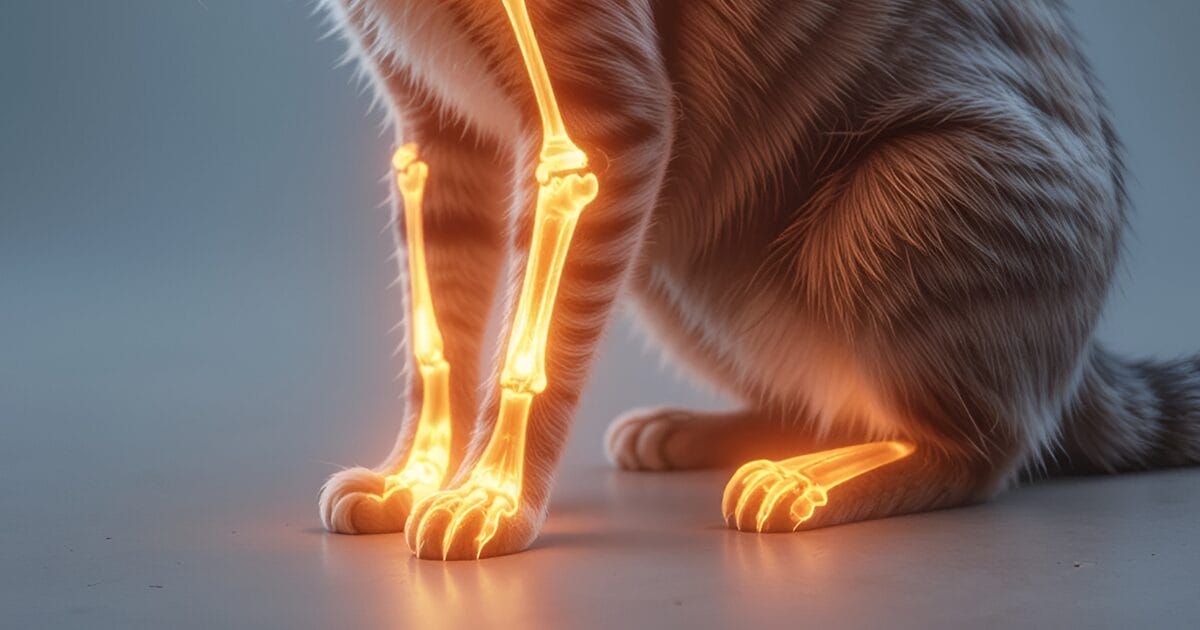
Hip dysplasia is a developmental condition in which the hip joint—the ball-and-socket connection between the femur and pelvis—doesn’t fit together properly. In a healthy joint, the femoral head sits securely inside the acetabulum, allowing smooth movement. With hip dysplasia, the socket may be too shallow or the femoral head improperly shaped, leading to looseness in the joint.
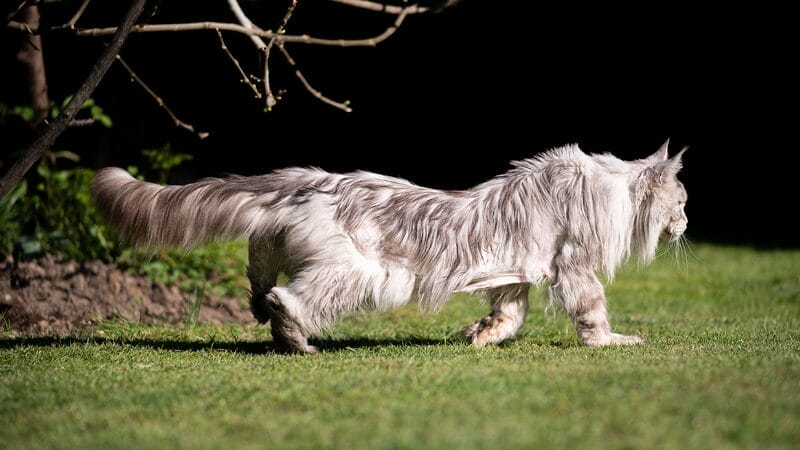
Over time, this laxity causes the bones to rub instead of gliding, wearing down cartilage and leading to inflammation and osteoarthritis. Hip dysplasia is common in large-breed dogs such as German Shepherds, Labradors, and Golden Retrievers, but it can affect any dog—and even cats, particularly Maine Coons and Himalayans.
Recognizing the Signs of Hip Dysplasia in Pets
Signs vary depending on severity, age, and pain tolerance. Dogs often show more obvious signs, while cats tend to hide their pain and discomfort.
Signs in Dogs
- Decreased activity or reluctance to go on walks
- Hesitation or inability to jump, climb stairs, or run
- Difficulty rising from rest
- Hind-limb lameness or limping
- A “bunny hopping” gait when running
- Stiffness, especially after exercise or waking up
- Sensitivity when the hips are touched
- Muscle loss in the hind limbs and increased shoulder muscle mass
- Occasional clicking or grinding from the hip joint
Signs in Cats
- Reduced activity or increased sleeping
- Hesitation before jumping onto furniture or counters
- Difficulty grooming the hindquarters
- Subtle changes in gait or a mild limp
- Irritability when touched near the hips
- Muscle atrophy in the hind legs
- Hiding or withdrawing from interaction
If you notice any of these changes in your pet, it’s important to schedule an evaluation. Early diagnosis can slow progression and improve comfort.
Hip Dysplasia Treatment Options for Your Pet
Managing hip dysplasia effectively involves a personalized approach, considering your pet’s age, the severity of their condition, lifestyle, and overall health. Treatment typically falls into two main categories: conservative (non-surgical) management or surgical intervention.
Conservative (Non-Surgical) Management
For many pets, particularly those with mild to moderate hip dysplasia, comfort and mobility can be significantly improved through non-surgical methods. These include:
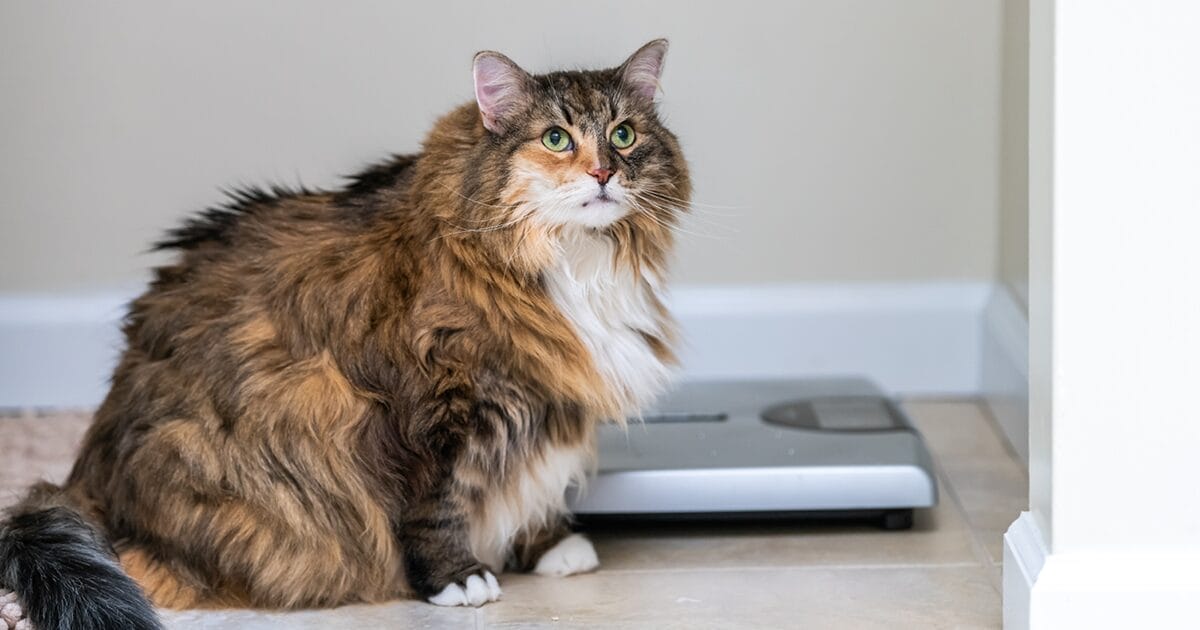
- Weight Management: Maintaining an ideal body weight is crucial to reducing stress on the hip joints and slowing the progression of arthritis. Learn more about the health risks of overweight pets in our blog post.
- Low-Impact Exercise: Controlled activities like leash walks or swimming help build and maintain muscle tone around the hips without excessive strain.
- Pain Management: Medications such as NSAIDs (non-steroidal anti-inflammatory drugs) and other pain relievers (e.g., gabapentin, amantadine), and advanced, long-acting injectable therapies are used to control inflammation and discomfort.
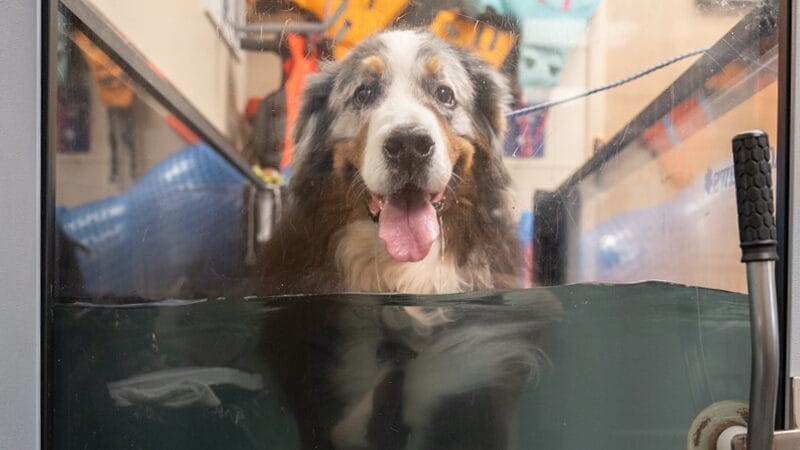
- Physical Rehabilitation: Specialized therapies like hydrotherapy, strengthening exercises, stretching, and massage can greatly enhance mobility and support the muscles surrounding the hip joint.
- Joint Supplements: Supplements containing ingredients like glucosamine, chondroitin, and omega-3 fatty acids may help support joint health and reduce inflammation.
- Complementary Therapies: For some pets, acupuncture and laser therapy can offer additional relief from chronic pain.
Surgical Options
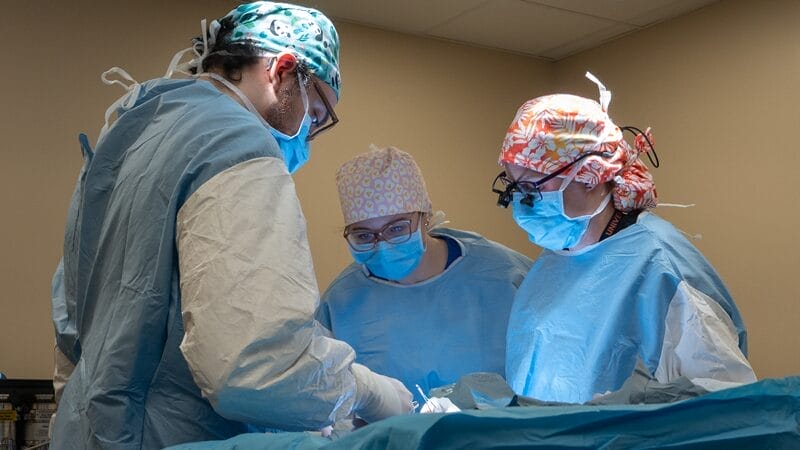
When hip dysplasia is severe, or if conservative treatments no longer provide adequate relief, surgical intervention may be recommended. Several surgical procedures are available:
- Juvenile Pubic Symphysiodesis (JPS): A preventive procedure performed on high-risk puppies (typically 14–20 weeks old) to encourage more normal hip development.
- Triple or Double Pelvic Osteotomy (TPO/DPO): Suitable for young dogs without significant arthritis, this surgery involves rotating the pelvis to improve the coverage of the femoral head within the hip socket.
- Femoral Head Ostectomy (FHO): This procedure removes the femoral head, allowing a “false joint” to form, which can alleviate pain. It’s commonly performed in smaller dogs and cats.
- Total Hip Replacement (THR): Considered the gold standard for dogs with advanced hip dysplasia, THR involves replacing the damaged hip joint with prosthetic components, aiming to restore comfort and function.
Your MedVet specialist will work closely with you to determine the most appropriate treatment plan, considering your pet’s age, size, specific condition, and your long-term goals for their quality of life.
What to Expect for Your Pet’s Mobility and Quality of Life
The good news is that many pets diagnosed with hip dysplasia can go on to live long, active, and comfortable lives. This is especially true with early diagnosis, consistent weight management, and appropriate treatment tailored to their needs. Pets who undergo advanced procedures like total hip replacement often experience significant pain relief and regain excellent mobility, allowing them to enjoy a high quality of life.
While ongoing management of arthritis may still be a part of their care journey, with consistent veterinary oversight and dedicated home care, most pets with hip dysplasia can continue to thrive and enjoy a comfortable, active lifestyle.
Your Pet’s Partner in Hip Health and Wellbeing
Navigating a diagnosis of hip dysplasia can feel overwhelming, but you don’t have to face it alone. At MedVet, our experienced surgeons and rehabilitation teams provide compassionate, expert care. We are here to thoroughly evaluate your pet, clearly explain all available treatment options—both conservative and surgical—and guide you in choosing the best long-term plan for their optimal health and happiness.
If your dog or cat is showing any signs of hip pain, stiffness, or changes in their mobility, we encourage you to contact your nearest MedVet location. We are dedicated to supporting your pet’s health, happiness, and ensuring they enjoy the best possible quality of life.
Learn more about MedVet’s veterinary surgery.
FAQs
What are the first signs of hip dysplasia in dogs and cats?
Early signs can be subtle. Dogs may show limping, stiffness, difficulty rising, or reluctance to run or jump. Cats often hide discomfort, so look for hesitation before jumping, changes in grooming habits, irritability when touched near the hips, or reduced activity. Any change in mobility is a good reason to schedule an evaluation.
How is hip dysplasia diagnosed in pets?
Diagnosis typically includes a physical exam to assess gait, range of motion, and pain, followed by radiographs (X-rays) to evaluate hip structure and arthritis. Sedation is often used to ensure accurate imaging. In some cases, advanced imaging such as CT or MRI may be recommended to rule out other orthopedic or neurologic conditions.
Can hip dysplasia be treated without surgery?
Yes. Many pets with mild to moderate hip dysplasia benefit from non-surgical management. Options include weight control, low-impact exercise, pain medications, physical rehabilitation therapies, joint supplements, and complementary treatments such as acupuncture or laser therapy.
When is surgery recommended for hip dysplasia?
Surgery may be advised when hip dysplasia is severe or when non-surgical treatments no longer provide adequate comfort. Procedures include Juvenile Pubic Symphysiodesis (JPS), Triple/Double Pelvic Osteotomy (TPO/DPO), Femoral Head Ostectomy (FHO), and Total Hip Replacement (THR).
Learn More
Our veterinary surgeons have extensive experience supported by 4–5 years of advanced surgical training.
Veterinary SurgeryShare




Contents
Learn More
Our veterinary surgeons have extensive experience supported by 4–5 years of advanced surgical training.
Veterinary Surgery