Valentine’s Day Pet Safety Tips: 5 Ways to Keep Pets Out of the ER
Valentine’s Day hazards like chocolate, flowers, candles, and alcohol can land pets in the ER—learn how to keep them safe.
Chocolate-filled hearts, candles, and flowers—Valentine’s Day is a wonderful time to show others how much you care. But some of our favorite gifts can pose serious risks to your pet. Help keep your pet safe and out of the ER by avoiding these five Valentine’s Day dangers.
1. Giving Flowers? Avoid Lilies and Watch Thorns on Roses
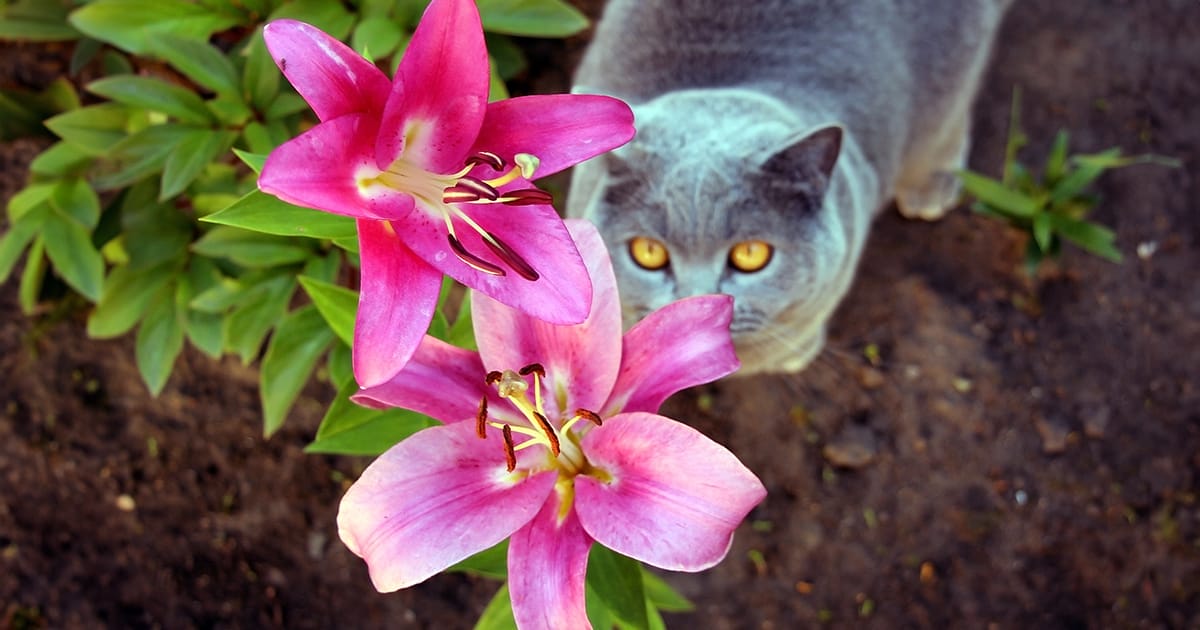
Lilies, including all members of the Lilium and Hemerocallis genera, are highly toxic to cats. The entire plant is dangerous—from the stem and flower to the leaves, pollen, and even the water in the vase. A tiny nibble, a lick of pollen-coated paws, or a sip of vase water can cause kidney failure in as little as 12 to 24 hours. If your cat does not receive treatment, their kidneys will fail, leading to death within 24 to 72 hours after ingestion.
Signs of lily poisoning include decreased activity, drooling, vomiting, loss of appetite, dehydration, tremors, and seizures. Treatment for lily poisoning focuses on preventing further toxin absorption and supporting kidney function. Depending on severity, your veterinarian may recommend inducing vomiting, giving activated charcoal, testing, providing IV fluids, and offering kidney support.
Lily toxicity in cats is frequently fatal unless treated within the first 18 hours after ingestion, so early intervention is critical. Contact your veterinarian immediately if you think there’s even a chance your cat was exposed to a lily. If your family veterinarian is unavailable, seek help from an emergency veterinarian such as MedVet.
Another popular Valentine’s Day flower is the rose. Over 250 million roses are prepared by U.S. florists each year to celebrate February 14. The biggest danger with roses is the thorns. If your pet bites the stem or steps on it, the thorns can cause puncture wounds that can become infected. Ask your florist to remove the thorns, carefully remove them yourself, and dispose of them safely.

2. Don’t Share Your Chocolate
Americans purchase about 75 million pounds of chocolate in the week leading up to Valentine’s Day. This delicious-smelling treat can be a problem for curious pets. Chocolate is dangerous because it contains caffeine and theobromine, which are highly toxic to pets. Humans metabolize these substances just fine, but our pets cannot.
The darker the chocolate, the higher the concentration of theobromine, and the more dangerous it is for your pet. Although lighter chocolates and white chocolate typically contain less theobromine, they still have a high fat content, which can cause gastrointestinal issues and pancreatic inflammation.
Signs of chocolate poisoning include nausea, vomiting, diarrhea, restlessness or hyperactivity, rapid breathing, muscle tension, increased heart rate, and seizures. Untreated, it can lead to heart failure or even death. These signs can take a few hours to show up, and the effects vary based on the amount and type of chocolate consumed and the size of your pet.
Contact your veterinarian right away and try to determine the type and amount of chocolate your pet ingested. Your veterinarian may induce vomiting, use activated charcoal to prevent absorption, insert a stomach tube to remove the toxic substance, administer IV fluids for hydration, or provide other treatments aimed at controlling adverse effects.
Although chocolate is also dangerous for cats, they’re less likely to eat it since they tend to be more discriminating about what they consume than their canine counterparts. This brings one additional concern: most eager pets do not take the time to unwrap the chocolate they find. If your pet ingests wrapped chocolate (or any candy, for that matter), the foil or plastic wrappers can lodge in their throat or digestive tract, often requiring surgery to remove them..

3. Beware of Artificial Sweeteners
Sometimes we give our sweethearts gifts that aren’t quite as sweet. While sugar-free treats are fine for humans, artificial sweeteners like xylitol can be toxic to our pets. Xylitol is a sugar-free sweetener often used in chewing gum, baked goods, and many other products like toothpaste, jams, breath mints, vitamins, and even some types of peanut butter.
In both humans and animals, the pancreas releases insulin to help regulate blood sugar. When humans eat products containing xylitol, their bodies do not produce insulin. However, when dogs ingest xylitol, it triggers the rapid release of insulin, which can cause a dramatic drop in blood sugar. The effect varies based on the size of the dog and the amount ingested.
Signs of xylitol poisoning typically develop soon after ingestion and include vomiting, weakness, lethargy, lack of coordination, tremors, and seizures. Extremely low blood sugar can lead to seizures and eventually cause liver failure or even death.
Timely treatment is key. If you suspect your pet has eaten something containing xylitol, contact your veterinarian immediately. There’s no antidote for xylitol poisoning, but your pet may be treated for low blood sugar and other signs. Your veterinarian (or an emergency veterinarian) may induce vomiting depending on the amount of xylitol ingested. Never induce vomiting on your own without first speaking to your veterinarian. It’s important to read labels and ensure that any product containing xylitol is kept away from your pet.
4. Use Candles Safely
Gleaming candlelight creates a romantic mood but can be quickly disrupted by a curious pet knocking over a candle and starting a fire. Your pet can also get burned if they get too close.
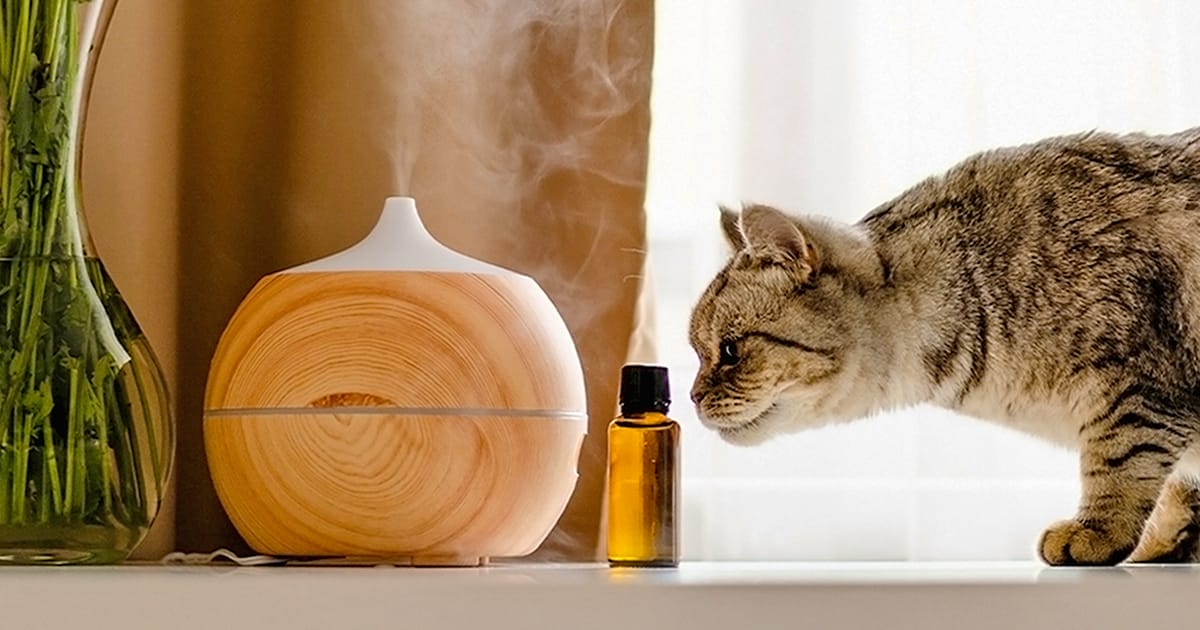
Smoke from candles can irritate your pet’s respiratory system, especially if they have asthma or other respiratory issues. Just as you might dislike certain smells, your pet may have an aversion to certain scents.
If you do use candles, keep them away from your pets and never leave your pet unattended in a room with a lit candle. Looking for a safe alternative? Try battery-operated, flameless candles instead, or use cleaner-burning candles made from soy, beeswax, or vegetable wax.

5. Keep Alcohol to Yourself
A champagne toast or craft cocktail may top off dinner with your Valentine, but spirited drinks don’t mix with your pets. Beer, wine, or any kind of liquor—even small amounts—can be harmful. This includes alcohol-based desserts, as well.
Pets are affected by alcohol similarly to humans, but it’s extra dangerous because they weigh less and their bodies don’t break down alcohol the same way humans do. Pets experiencing alcohol poisoning may be wobbly, feel nauseous, vomit, or have other gastrointestinal issues. The danger is not what type of drink it is, but the amount consumed. Small doses may not require medical help, but if you see any signs, contact your veterinarian.
When in Doubt, Seek Veterinary Help
In every case, early treatment is important. If you think your pet has encountered any of these five dangers, seek help right away. Call the Pet Poison Helpline at 855-764-7661, contact your family veterinarian, or visit your nearest MedVet location.
Learn more ways to keep your pets healthy and safe.
FAQs
Why are lilies so dangerous for cats?
Even tiny exposures to lilies—like pollen or vase water—can cause rapid kidney failure in cats. Immediate veterinary care is critical.
How much chocolate is toxic to dogs?
Toxicity depends on the type of chocolate, the amount eaten, and your dog’s size. Dark chocolate is especially dangerous.
Is xylitol dangerous for cats, too?
Xylitol is most dangerous for dogs. While cats are less commonly affected, any ingestion should still be discussed with a veterinarian.
When should I take my pet to the emergency vet on Valentine’s Day?
If your pet eats something toxic, shows signs like vomiting, tremors, weakness, or seizures, or you’re unsure—seek emergency care right away.
Learn More
For ways to ensure your pet lives a happier, healthier life, visit our Pet Care Resources library.
Pet Care ResourcesShare



Contents
Learn More
For ways to ensure your pet lives a happier, healthier life, visit our Pet Care Resources library.
Pet Care Resources