Dog Bite Prevention: Safety Tips for Families
Any dog is capable of biting. Understanding why they bite and prevention steps you can take decreases this behavior.
According to the American Veterinary Medical Association (AVMA), the United States is home to nearly 90 million dogs, with approximately 43% of households owning at least one. While these canine companions bring immense joy, 4.5 million dog bites occur annually, affecting roughly 1 out of every 73 people
Tragically, children are the most frequent victims. About half of all dog bite victims are children, and they are far more likely to suffer severe injuries than adults. These statistics highlight a critical reality: education is the key to prevention.
Any dog can bite, whether it is a beloved family pet or a stray wandering the neighborhood. Contrary to popular belief, a dog’s propensity to bite is not strictly tied to breed, size, or temperament. A common saying in the veterinary community holds true: “If it has teeth, it can bite.” Even a dog with no prior history of aggression can react under the right circumstances. Fortunately, most dog bites are preventable with the right knowledge and precautions.
Why Dogs Bite
To prevent bites, we must first understand the motivation behind them. Biting is rarely random; it is usually a reaction to a specific stimulus or stressor. Common triggers include:
- Fear or Startle: Sudden loud noises or abrupt movements can cause a dog to bite out of self-defense.
- Feeling Threatened: Being cornered, crowded, or approached too quickly can provoke a defensive reaction.
- Resource Guarding: Dogs may bite to protect valued items like food, toys, or even a favorite person.
- Pain or Illness: A dog suffering from an injury or chronic illness may lash out due to discomfort.
- Overstimulation: Rough play, wrestling, or chaotic environments can ramp up a dog’s excitement to an unsafe level.
- Stress: Unfamiliar environments, new people, or changes in routine can lower a dog’s tolerance.
- Displaced Aggression: A dog frustrated by an inability to reach a target (like another dog across a fence) may redirect that aggression onto a person nearby.
Tips for Dogs in Your Care
As a pet owner, you play a vital role in setting your dog up for success. Taking proactive steps can significantly reduce the risk of aggressive behavior.
- Select the Right Dog: When choosing a new pet, consider your family’s lifestyle, activity level, and experience. Match the dog’s energy and needs to your household’s lifestyle.
- Prioritize Training: Enroll in positive reinforcement training classes. Involving the whole family ensures everyone uses consistent commands and helps build a strong, respectful bond.
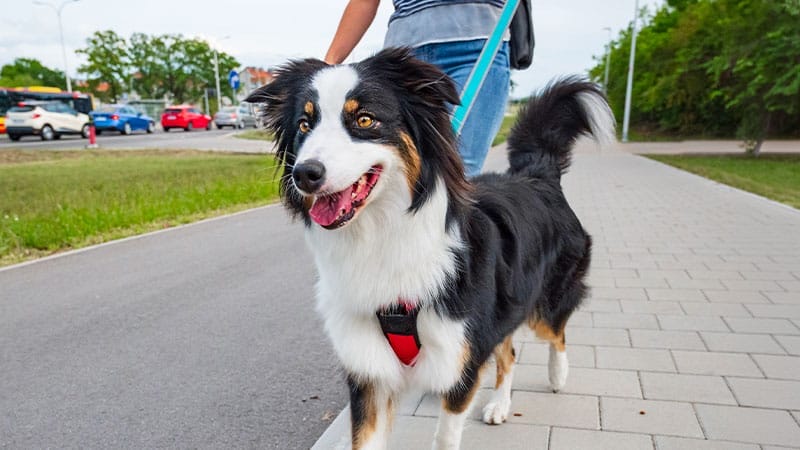
- Socialize Safely: Expose your puppy or dog to various people, environments, and other animals in a controlled, positive way. Always use a standard 4- to 6-foot leather or nylon leash; retractable leashes offer less control and can be dangerous in unpredictable situations.
- Provide Regular Exercise: A tired dog is often a well-behaved dog. Daily walks, interactive play, and puzzle toys help burn off physical and mental energy.
- Maintain Health: Schedule annual veterinary exams and keep vaccinations up to date. Spaying or neutering your pet can also reduce the risk of hormone-driven aggression and prevent reproductive health issues.
Understanding Dog Language
Dogs cannot speak, so they rely on body language to communicate comfort, fear, or aggression. Learning to read these signals is one of the most effective ways to prevent bites.
Verbal Clues
- Barking: Pay attention to changes in pitch or intensity.
- Growling: This is a clear warning—never punish a growl, as it is a dog’s way of saying “back off” before biting.
- Yelping or Whining: May indicate pain or anxiety.
Nonverbal Clues
- Stiff Body Posture: A rigid, tense body often signals a threat.
- Ears Pinned Back: Flattened ears can indicate fear or discomfort.
- Hard Stare: An intense, unblinking gaze may signal a challenge or warning.
- “Whale Eye”: Seeing the whites of a dog’s eyes (sclera) can indicate fear or guarding behavior.
- Raised Hackles: Hair standing up along the neck and back signals high arousal or fear.
- Baring Teeth: Lifting the lips to show teeth is a clear warning sign. While some dogs display a “submissive grin,” if you are unsure, give the dog space.
For more information on dog behaviors and what they mean, read our blog.

Appropriate Interactions with Dogs
Respecting a dog’s boundaries is important for everyone, especially children.
- Let Sleeping Dogs Lie: Never disturb a dog that is sleeping, eating, chewing on a toy, or caring for puppies.
- Respect Their Space: If a dog walks away or struggles to get down from your lap, let them go.
- No Roughhousing: Do not climb on, ride, or wrestle with dogs.
- Gentle Touch: Teach children to pet gently. Pulling ears, tails, or fur can cause pain and provoke a bite.
- Avoid Face-to-Face Contact: Discourage children from placing their faces close to a dog’s face, as this can lead to facial injuries.
Approach All Dogs with Care
Even friendly dogs can have bad days. Caution is always best.
- Ask First: Always ask an owner for permission before petting their dog. If they decline, respect their decision.
- Meeting a New Dog: If you’re introduced to an unfamiliar dog, avoid standing over them or reaching out your hand. Instead, crouch down to the dog’s level and allow the dog to approach you on their own terms. Do not stick your hand out toward the dog. Let them initiate contact and remain calm and still while they assess you. Running or screaming can trigger a chasing instinct and should be avoided.
- No Touching Through Fences: Never reach over or through a fence to pet a dog. Barrier frustration can make even well-behaved dogs reactive.
- Stray Dogs: Do not approach roaming dogs. Report them to local animal control.
- Injured Pets: Approach injured dogs with extreme caution. Pain can cause even gentle pets to bite. In emergencies, a makeshift muzzle (using gauze, a tie, or a soft leash) may be necessary to move them safely.

What to Do If You Are Bitten
If a dog bite occurs, acting quickly can prevent infection and further injury.
- Wash the Wound: Immediately clean the area with soap and warm water.
- Seek Medical Attention: Even minor bites can become infected. See a doctor if the skin is broken and seek emergency care for deep wounds or uncontrollable bleeding.
- Report the Bite: Contact local animal control or health department authorities. This is often required by law and helps track potential rabies exposure.
- Verify Vaccination: If the dog has an owner, confirm that the animal’s rabies vaccination is current. If the dog is a stray or the owner is unknown, your doctor may recommend a rabies post-exposure prophylaxis series.
What to Do If Your Dog Is Bitten
Despite your best efforts, conflicts between dogs can happen. If your dog is bitten by another dog, taking immediate and calm action is critical to their recovery.
- Safety First: Do not place your hands or body between fighting dogs. Use a loud noise, water, or a barrier (like a jacket or board) to separate them safely.
- Secure the Dogs: Once separated, immediately leash your dog and move them to a safe, quiet area. If possible, ensure the other dog is also secure to prevent a second attack.
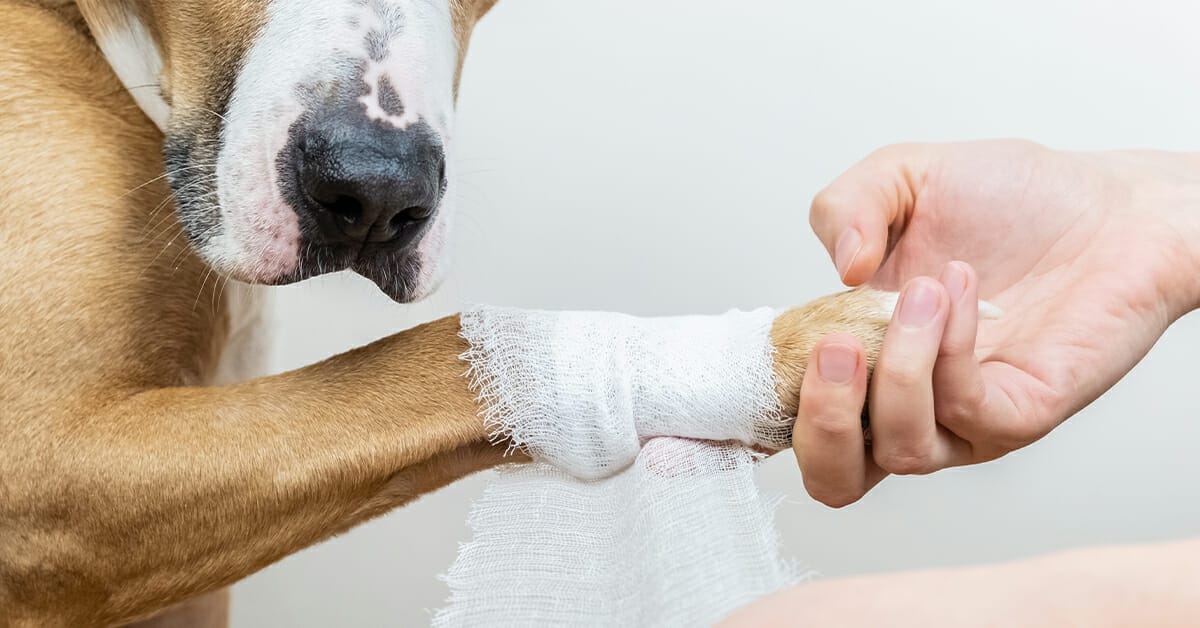
- Assess the Injury: Look for bleeding, puncture wounds, or swelling. Remember that a small puncture on the surface can hide significant damage to muscle and tissue underneath.
- Gather Information: If the other owner is present, exchange contact details and confirm their dog’s vaccination status, especially for rabies.
- Seek Veterinary Care: Even if the wound appears minor, take your dog to your family veterinarian or an emergency veterinary hospital like MedVet if needed. Bite wounds are prone to infection and often require professional cleaning, antibiotics, and pain management.
- Monitor for Infection: In the days following the bite, watch for redness, swelling, heat, discharge, or signs of fever. Contact your vet immediately if the wound worsens.
For helpful tips on how to address pet medical emergencies and what you should put in a first aid kit, read our blog.
A Final Note on Safety
Most dog bites are preventable with knowledge and common sense. Respect every dog’s boundary, learn to read their body language, and never underestimate the importance of supervision. If an incident does occur—whether to a person or a pet—act quickly and seek professional care immediately. Your awareness is the key to preventing tragedy and ensuring a safe community for everyone.
Learn more ways to keep your pets healthy and safe.
FAQs
Are certain dog breeds more likely to bite?
No breed is inherently “safe” or “dangerous.” Any dog can bite under the right circumstances. Training, socialization, environment, and supervision play far larger roles than breed alone.
Why are children at higher risk for dog bites?
Children are more likely to engage in close face-to-face interactions, move unpredictably, and miss warning signs in body language. Their smaller size also makes injuries more severe.
Can a vaccinated dog still cause rabies?
Rabies vaccination dramatically reduces risk, but any bite from an animal with unknown vaccination status should be evaluated by a medical professional.
When should I seek emergency care for a dog bite?
Seek immediate care for deep wounds, facial injuries, heavy bleeding, or if signs of infection appear. Children should always be evaluated promptly.
Learn More
For ways to ensure your pet lives a happier, healthier life, visit our Pet Care Resources library.
Pet Care ResourcesShare



Contents
Learn More
For ways to ensure your pet lives a happier, healthier life, visit our Pet Care Resources library.
Pet Care Resources