Caring for Your Cat or Dog After Surgery: What to Expect and How to Help Them Heal
At some point in a pet’s life, they may require surgery. Learn what to expect and watch for in your pet post surgery.
At some point in a pet’s life, they may require surgery, whether it’s a routine spay or neuter, a dental cleaning, or due to an illness or injury. Understanding what to expect during your pet’s recovery may help ease your concerns and help you feel more in control and prepared.
Your Pet’s Sleepiness After Surgery
After surgery, your dog or cat may be groggy, sleepy, or slightly disoriented — this is normal due to anesthesia and medications. Mild lethargy usually improves within 24–48 hours. If your pet remains lethargic beyond that timeframe, consult with your veterinarian.
What to Expect Regarding Eating After Surgery
After surgery, it’s common for pets to experience a decrease in appetite. The duration and severity of this decrease can vary depending on several factors, including the type of surgery, the pet’s overall health, and the anesthesia used.
- First 24 hours: Many pets will have a reduced appetite or may not eat at all during the first day after surgery due to anesthesia and the stress of the surgical procedure.
- 24-48 hours: As the pet begins to recover, their appetite should start to return. However, it’s not uncommon for pets to be picky or eat less than usual during this period.
- 48-72 hours: Most pets should be back to their normal eating habits within 2-3 days after surgery. If your pet is still not eating, consult with your veterinarian.
Small, frequent meals can encourage eating, but don’t force food if your pet is not ready. To encourage eating:
- For dogs: Offer a cooked diet with a 1:1 ratio of protein (e.g., chicken, turkey, lean ground beef) to carbohydrate (e.g., pasta, potato, white rice). You can also try canned food with a small amount of garlic powder or chicken/beef broth, or strained meats for babies. Handfeeding can also be effective.
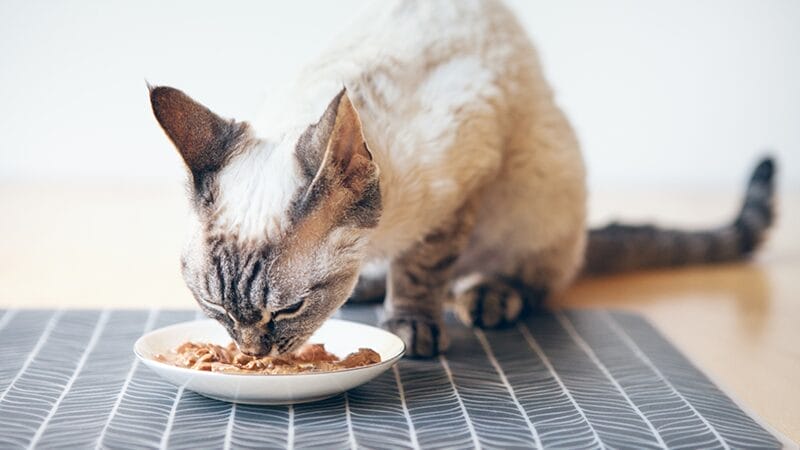
- For cats: Try smelly foods like tuna or canned cat food. Warming the food slightly can make it more aromatic. Some cats will only eat dry food. Try kibble if your cat has been fed that food. You can handfeed your cat by placing a small amount of food on the roof of their mouth or using a syringe for soft food. Petting and stroking your cat frequently can help stimulate their appetite.
Irregular Bowel Movements and Urination
After surgery, it’s normal for pets to experience changes in their bowel movements and urination patterns. Here’s what you can expect and when to seek veterinary advice.
Bowel Movements
Many pets won’t have a bowel movement for four to five days after surgery because of pre-surgery fasting, reduced appetite post-surgery, or the effects of anesthesia. If your pet hasn’t had a bowel movement by the fifth day, try administering a stool softener or feeding them canned pumpkin to help stimulate their digestive system.
However, if there’s still no bowel movement by the seventh day, or if your pet is straining during attempts to defecate, contact your veterinarian for further guidance.
Urination
Your pet should be urinating at least once or twice a day after surgery. If you notice that your pet is not urinating at least once daily, reach out to your veterinarian.
Regurgitation vs. Vomiting
It’s essential to distinguish between regurgitation and vomiting, as they have different implications for your pet’s health. Regurgitation is characterized by the passive expulsion of food or liquid from the mouth, often without warning or abdominal effort. This can occur after stomach or intestinal surgeries and usually resolves within one to three days. Regurgitation can happen randomly, after eating or drinking, or when burping. If your pet continues to regurgitate beyond this period or if it occurs more than once or twice, contact your veterinarian.
Vomiting, on the other hand, is an active process involving abdominal heaving or retching before expelling contents. Causes can include excessive water intake, certain medications, or stomach upset due to anesthesia. If your pet’s surgery was on their intestines or stomach, vomiting is a significant concern, and you should contact your veterinarian immediately.
If your pet is vomiting but did not undergo intestinal or stomach surgery, you can try the following steps:
- Withhold food for 12-24 hours to give their digestive system a rest.
- After this period, introduce bland foods in small amounts, three to four times a day, as described above.
Monitoring your pet’s condition and adjusting their care accordingly can help prevent complications and support their recovery. If you’re ever in doubt about your pet’s health or if their condition worsens, it’s always best to consult with your veterinarian.
Caring for Your Pet’s Surgical Incision
Following your pet’s surgery, it’s vital to monitor and care for their incision site to minimize the risk of infection and support the healing process.
Monitoring the Incision
Check the incision site at least twice a day for signs of complications, such as swelling, discharge, opening, or discoloration. A small amount of redness, swelling, and bruising is normal.
Preventing Licking and Irritation
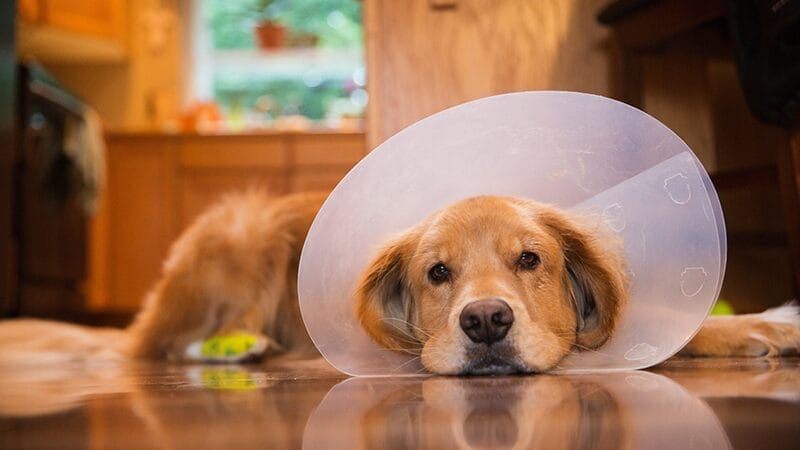
To prevent licking, which can delay healing, cause infection, or lead to the incision opening, use an Elizabethan collar (cone), a cervical collar (Bite Not collar), or cover the incision with a T-shirt or bandage.
Managing Sutures and Staples
Skin sutures or staples typically remain in place for 10-14 days. During this time, monitor the incision site for any signs of complications.
Relieving Discomfort and Swelling
Despite pain medication, incisions can be sore. To help relieve discomfort and swelling, you can ice the surgical area with a barrier towel and an icepack or a bag of frozen vegetables (peas work well due to their shape). Apply ice two to four times a day for 15-20 minutes at a time.
Keeping the Incision Clean and Dry
Keep the incision area dry and avoid bathing your pet until they are cleared by their veterinarian. Also, refrain from applying any topical ointments unless prescribed by your veterinarian.
Recognizing Signs of Complications
If you notice any of the following symptoms, notify your veterinarian immediately:
- Significant redness and swelling
- Warmth or discharge around the incision
- Skin that feels cool, thin, or appears black or gray in color
If you have any concerns or questions about your pet’s incision, reach out to your veterinarian for guidance.
Managing Your Pet’s Pain and Medications
After your pet’s surgery, your veterinary team will provide medications to manage pain and prevent infection. It’s important to administer these medications exactly as prescribed to ensure your pet’s comfort and safety. You can make giving medication easier by hiding pills in a small portion of food, using a pill pocket, or an oral syringe. When administering medication to cats, gently wrap them in a towel and speak calmly to minimize their stress.
Handling Fentanyl Patches
If your pet is discharged with a fentanyl patch, follow these steps carefully:
- Remove the patch on the date indicated on it.
- When removing the patch, carefully peel back the tape, ensuring your fingers only touch the edges.
- Avoid touching the underside of the patch to prevent accidental exposure to the medication.
- Dispose of the used fentanyl patch properly.
- Clean the area where the patch was placed with warm, soapy water.
Important Medication Safety
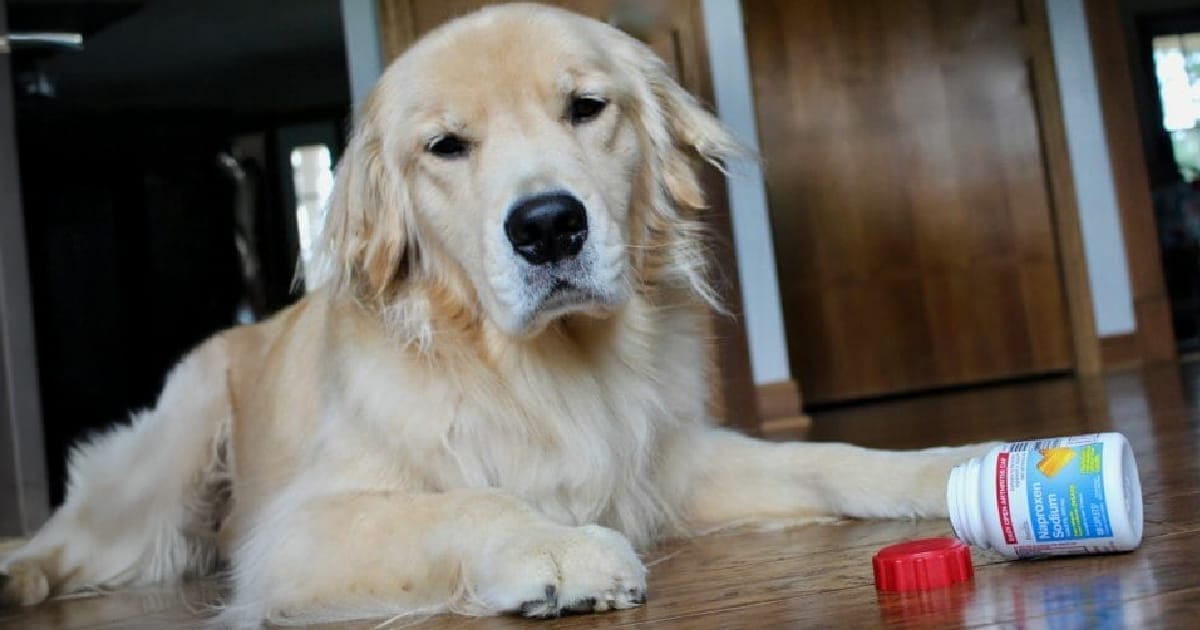
Do not give your pet any human medications, including ibuprofen, as they can be toxic to animals. Always follow your veterinarian’s instructions regarding medication, and never administer any medication not specifically prescribed for your pet.
If you have any concerns or questions about your pet’s pain management or overall recovery, reach out to your veterinarian for guidance.
Recognizing and Managing Pain
Following surgery, some level of pain is expected, but if your pet’s pain worsens or they show reluctance to move, contact your veterinarian immediately. Signs of pain vary between dogs and cats:
- Dogs: May exhibit crying, biting near the surgical site, panting, restlessness, inability to sleep, pacing, or avoiding lying down on the incision. Pain can be managed with prescribed medications such as tramadol, Buprenex, or a fentanyl patch.
- Cats: Often display more subtle signs of pain, including biting near the surgical site, growling, loss of appetite, hiding, or a lack of grooming. For detailed guidance on managing pain in cats, refer to our comprehensive guide.
Some pet owners might consider withholding prescribed pain medication, thinking it will keep their pet calm. However, unmanaged pain can slow down the healing process and cause significant distress. If necessary, your veterinarian can prescribe anxiety medications like trazodone to help keep your pet relaxed during recovery.
Minimizing Activity After Surgery
To ensure a smooth and healthy recovery, it’s important to keep your pet’s activity level to a minimum for the first 10-14 days after surgery. Excessive activity can put tension on the incision site, leading to complications such as opening of the incision or the formation of a seroma, a fluid pocket between the skin and underlying tissue. This can delay healing and potentially develop into an abscess. For pets undergoing orthopedic procedures, overactivity can cause hardware breakage (including plates, wires, pins, or screws) and impede the bone healing process.
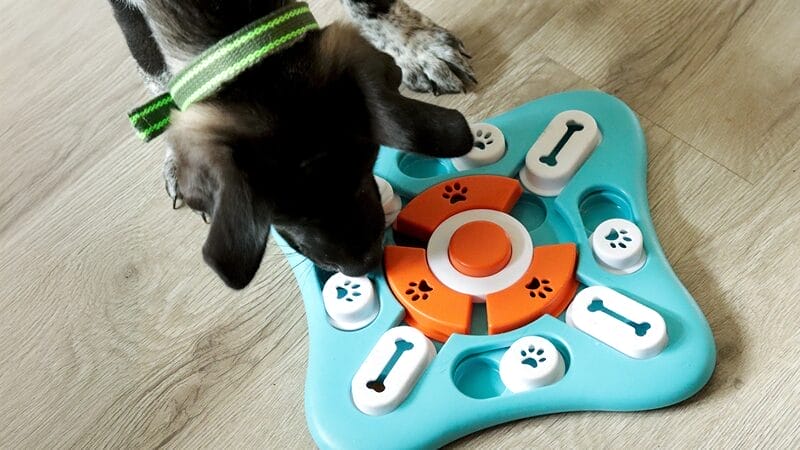
While it’s essential to minimize your pet’s physical activity after surgery, you can still encourage their mental stimulation. Engage your pet with puzzle toys, food-dispensing toys, or scent games to keep them entertained without overexerting themselves. These activities will help maintain their mental wellbeing during the recovery period.
Confining Your Pet
To minimize activity, confine your pet to a crate or a small room. When taking your dog outside for bathroom breaks, always use a leash and return them inside immediately to rest. Pause regular exercise and training during this period. Avoid leaving your pet unattended on beds or furniture, as they might jump down and injure themselves. For high-energy dogs, interactive toys like Kongs filled with frozen peanut butter or canned dog food can be an effective way to keep them entertained.
When to Seek Emergency Veterinary Care Post-Surgery
After your pet’s surgery, it’s vital to monitor their condition closely and seek immediate veterinary care if you notice any of the following signs:
- Pale gums, which can indicate potential blood loss or poor circulation
- Bluish-purple gums or increased breathing rate/effort, indicating respiratory distress
- An open incision; cover the area with bandage material or a clean towel, especially if there’s tissue protruding
- Signs of infection, such as redness, swelling, discharge, or a foul odor from the incision site
- Changes in urination or bowel movements, such as not urinating at least once or twice a day, or not having a bowel movement within the expected timeframe (typically 4-7 days after surgery)
If you notice any of the emergency situations listed above, seek veterinary care immediately, regardless of the time of day. For non-emergency concerns or questions about your pet’s healing, contact your veterinarian. If it’s after hours, reach out to your nearest MedVet for guidance.
Learn more about veterinary surgery.
FAQs
What is normal for a pet to experience after surgery?
Pets may feel sleepy, have reduced appetite, experience irregular bowel movements, pain, and lower activity levels.
When should I seek emergency care for my pet?
Watch for signs like pale gums, bluish-purple gums, increased breathing rate, redness, swelling or discharge from the incision site, and changes in urination or bowel movements.
How do I know if my pet is in pain?
Cats and dogs display signs of pain differently. In dogs, obvious signs include crying or restlessness, panting, and avoiding lying down on the incision. In cats, signs of pain are more subtle, such as hiding, lack of grooming, growling or hissing, and lack of appetite.
Share



Contents