Pet Cold Safety – 10 Tips for Plummeting Temperatures
Keep your pets safe this winter with expert tips on warmth, hydration, paw protection, and cold-weather hazards.
Winter’s arrival brings with it a host of potential dangers for our pets, from freezing temperatures to icy conditions. Just like us, animals can suffer from cold-related illnesses like frostbite and hypothermia, with young, elderly, small, or short-coated pets being particularly susceptible. The good news is that with careful planning, you can ensure your companions remain safe and comfortable. This guide offers vital information on winter pet safety, how to spot signs of cold, and when professional veterinary help is needed.
Winter Safety Essentials
Ensuring your pet’s wellbeing during winter involves several key areas of preparation. This section breaks down the essential precautions you can take, focusing on practical tips for their indoor comfort, outdoor protection, and overall health. We’ll explore topics such as appropriate bedding, hydration, nutrition, and safeguarding them during walk.
Provide Warm Bedding
Your pet needs a warm, dry place to sleep during cold weather. A cozy bed, blankets, or even an insulated crate can help prevent heat loss, especially for senior pets or those with arthritis. Keep beds off cold floors when possible and make sure your pet can easily move to a warmer area if needed.
Use Heat Sources Safely
Space heaters, fireplaces, and other heating devices can help keep your home warm, but they also pose potential risks. Pets can knock over heaters, chew cords, or get too close to flames. Always supervise your pet around heat sources and make sure devices are secure and out of reach.
Protect Your Pet’s Paws
Ice, snow, and road salt can irritate paw pads and nails. Wipe your pet’s paws after walks and consider pet booties for extra protection. This helps prevent cracking, chemical exposure, and discomfort from cold surfaces.

Avoid Leaving Pets in Cars
Even when it feels cold outside, leaving pets in vehicles is dangerous. Temperatures inside a car can drop quickly, putting pets at risk for hypothermia in just a few minutes. Always bring your pet inside when you leave your vehicle.
Dress Pets for the Weather
Some pets benefit from a well-fitted coat or sweater, especially small breeds, short-haired dogs, and seniors. Make sure clothing is waterproof and comfortable, so it keeps them warm without restricting movement.
Keep Pets Hydrated
Cold weather doesn’t replace your pet’s need for water. Make sure your pet always has access to clean, unfrozen water, and check their bowls regularly to ensure the water hasn’t iced over.
Limit Snow Eating
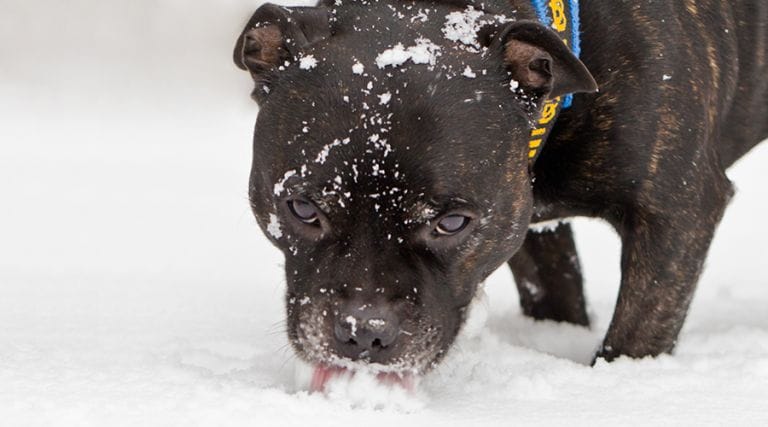
A little snow may be fine, but eating too much snow can lower your pet’s body temperature or upset their stomach. Snow can also hide dangerous substances like antifreeze, ice melt, or sharp objects.
Adjust Food Portions
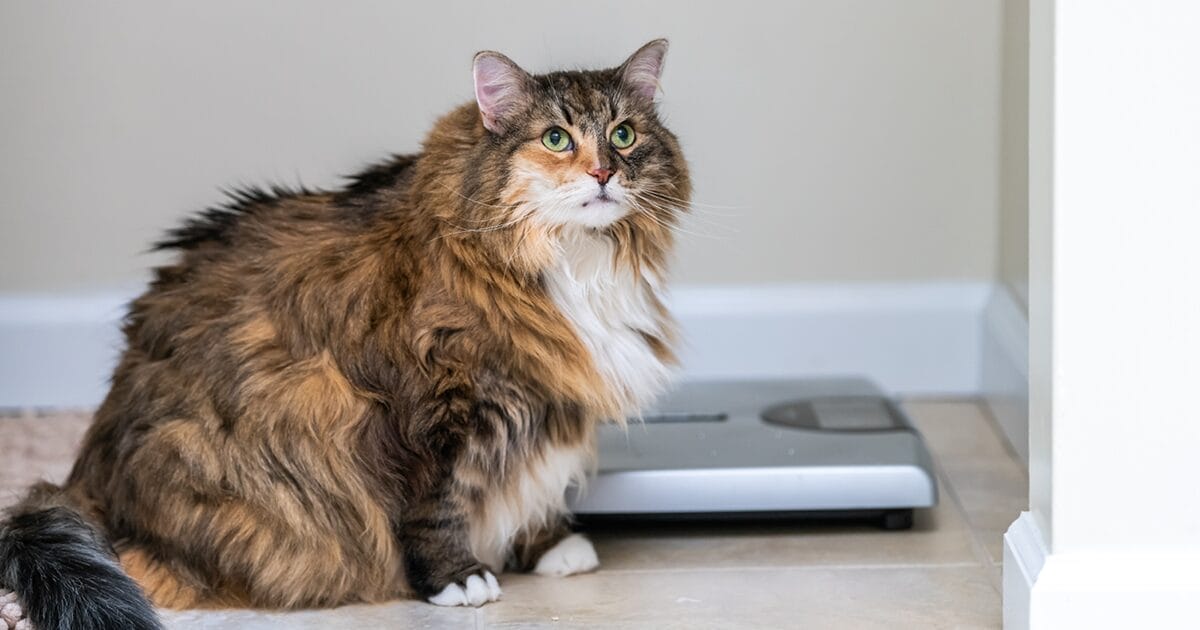
Pets may be less active in winter, which can increase the risk of weight gain. Check your pet’s nutrition labels and adjust food portions as needed to prevent this. Maintaining a healthy weight reduces the risk of joint strain, diabetes, and other health issues. To understand the full scope of these concerns, learn more about the health risks of overweight pets in our dedicated blog post.
Prevent Chemical Exposure
Products like ice melt and antifreeze are extremely toxic to pets. Keep these and other household chemicals stored safely out of reach, wipe paws thoroughly after outdoor walks, and clean up any spills promptly to prevent accidental ingestion. Beyond these common dangers, many everyday items can also pose a threat; check out our blog on 15 surprising pet poisons to learn more about what to keep away from your pets.
Ensure Secure ID
Snow and ice can mask familiar scents and landmarks, making it easier for pets to get lost. Keep pets on a leash or in a securely fenced area, and make sure they have up-to-date ID tags and a registered microchip in case they wander off.
How to Tell if Your Pet is Cold
Pets can’t always tell us when they’re uncomfortable, but there are signs to watch for: shivering, whining, slowing down, lifting paws off the ground, burrowing for warmth, or curling tightly. If you notice these behaviors, bring your pet indoors immediately to prevent more serious cold-related problems.
Recognizing Emergencies & When to Seek Veterinary Care
Understanding your pet’s individual vulnerabilities and recognizing the signs of cold-related emergencies are critical for their winter safety. Factors like breed, size, and overall health significantly impact their ability to withstand the cold, so always keep a watchful eye as temperatures drop. Beyond daily vigilance, it’s also wise to prepare for potential emergencies; cold weather storms can lead to power outages, so ensure your emergency kit includes essential pet supplies like extra food, clean water, and a warm blanket. Knowing the specific signs of frostbite and hypothermia can help you act quickly.
Frostbite Signs in Pets
Frostbite occurs when tissue, usually in the ears, tail, or paws, freezes. Look for pale, gray, or blue skin, coldness to the touch, swelling, or discomfort. If frostbite is suspected, warm the area slowly with lukewarm water, and avoid using hair dryers, heating pads, or electric blankets, which can cause burns. Prompt veterinary care is essential.
Hypothermia Signs in Pets
Hypothermia develops when a pet’s body loses heat faster than it can produce it. Signs include violent shivering, lethargy, weak pulse, stiff muscles, slowed breathing, or loss of appetite. This is a medical emergency — bring your pet indoors, wrap them in blankets, and seek veterinary care immediately.

By being prepared and recognizing these critical signs, you can significantly reduce the risk of severe cold-related issues. If you suspect your pet has been overexposed to the cold and is showing signs of frostbite or hypothermia, contact your veterinarian right away, or bring them to your nearest MedVet for immediate attention.
Learn more ways to keep your pets healthy and safe.
FAQs
How can I keep my pet safe from the cold?
To keep your pet safe in cold weather, provide a warm, draft-free place to sleep and never leave them unattended near space heaters, fireplaces, or in vehicles. Keep pets on a leash or in a secure yard when outside, protect their paws, and dress them in well-fitted coats or sweaters if needed. Limit snow consumption, ensure they stay hydrated, and adjust food portions according to activity levels. Store chemicals like antifreeze and ice melt safely out of reach.
What is frostbite and what are the signs?
Frostbite occurs when parts of a pet’s body, usually paws, ears, or tails, freeze. Cold, wet, or windy conditions increase the risk. Signs include pale, gray, or blue skin, cold or shriveled tissue, and pain when touched. If frostbite is suspected, move your pet indoors, and warm the area slowly with lukewarm water. Do not use hair dryers, heating pads, hot water, or electric blankets, as they can cause burns.
What is hypothermia and what are the signs?
Hypothermia happens when a pet loses body heat faster than it can generate it. Signs include violent shivering, lethargy, weak pulse, stiff muscles, slowed breathing, and loss of appetite. This is a medical emergency. Bring your pet indoors, dry them off, and wrap them in warm blankets. You can use warm, wrapped water bottles near their abdomen, armpits, or chest before covering them with a blanket. Avoid heating pads or electric blankets, which can burn your pet. Seek veterinary care immediately.
Learn More
For ways to ensure your pet lives a happier, healthier life, visit our Pet Care Resources library.
Pet Care ResourcesShare



Contents
Learn More
For ways to ensure your pet lives a happier, healthier life, visit our Pet Care Resources library.
Pet Care Resources