Massage Therapy for Pets: Supporting Their Health and Happiness
MedVet massage therapy helps pets feel comfortable, reduce stress, and improve mobility through veterinary-led care.
Massage therapy for pets isn’t just a luxury—it’s a powerful tool to improve comfort, mobility, and overall wellbeing. Just like humans, pets can benefit from targeted massage to relieve tension, reduce stress, and support long-term physical health. At MedVet, our veterinary-led massage therapy programs are designed to enhance both the physical and emotional health of your furry friends.
"Manual therapy, such as massage, is an integral part of physical rehabilitation programs for many conditions. It can improve flexibility, patient comfort, circulation, reduce muscle tension, and support emotional wellbeing."
– Katie Gundersen, DVM, DACVSMR, CCRP
The Benefits of Massage Therapy for Pets
Pet massage provides measurable health benefits that go beyond relaxation. Regular massage sessions can reduce muscle tension, manage chronic pain, improve circulation, and support emotional wellbeing. Studies show that massage therapy helps dogs and cats feel more comfortable, move more easily, and experience less stress in their daily lives.
Reduce Muscle Tension and Soreness
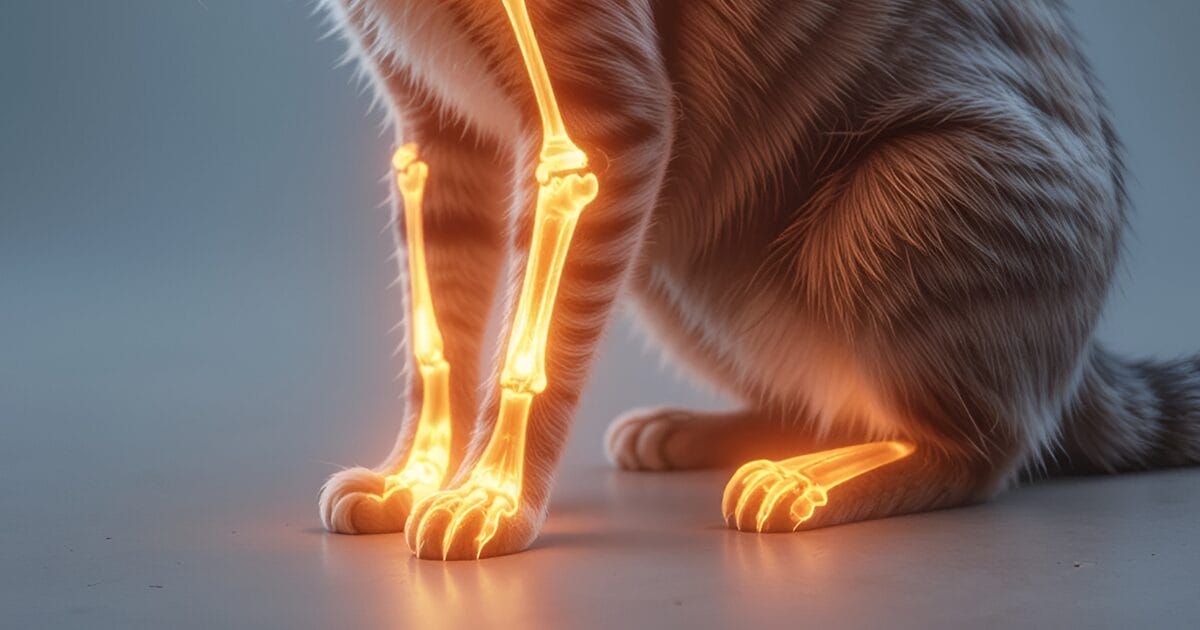
Tight muscles can limit your pet’s mobility and cause discomfort. Gentle massage relaxes muscles, relieves spasm, and improves flexibility, helping pets move more comfortably.
Manage Chronic Pain
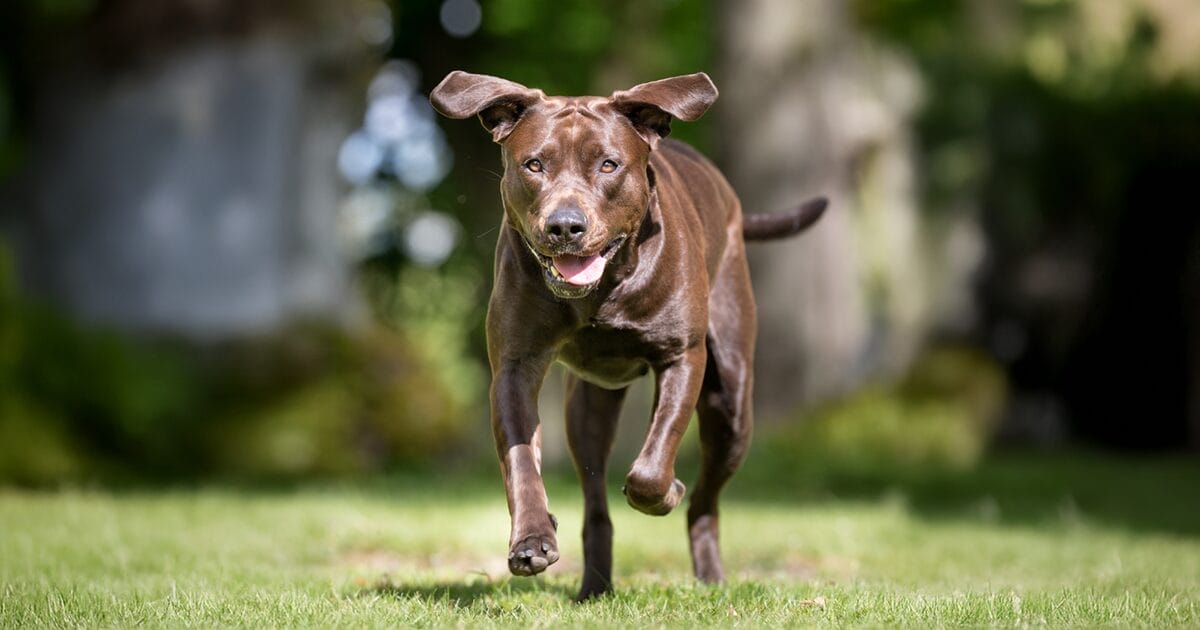
Conditions such as arthritis, hip dysplasia, and intervertebral disc disease can make everyday movement painful. Targeted massage can help reduce discomfort and improve their quality of life. For example, senior dogs with arthritis often experience improved mobility and reduced signs of pain through regular massage sessions, allowing them to enjoy walks and playtime again. Learn more about caring for your senior dog in our blog post.
Enhance Circulation and Lymphatic Drainage
Massage increases blood flow, supports tissue health, and promotes healing. Improved circulation also aids in reducing swelling and keeping joints and muscles supple.
Support Emotional Wellbeing
Massage can help calm anxious or hyperactive pets, fostering relaxation and reducing stress. Anxious pets struggling with separation anxiety or hyperactivity often respond positively to consistent massage, becoming calmer and more comfortable in their environment.
Research indicates that massage can reduce pain severity, improve mobility, and enhance the overall quality of life for dogs, while also calming nervous or stressed pets.
Is Massage Therapy Right for Your Pet?
While most pets can benefit from massage, certain medical conditions require caution. Massage should be avoided in pets with bleeding disorders, low platelet counts, or those taking blood-thinning medications. Additionally, areas with tumors, blood clots, fractures, open or healing wounds, skin infections, or weakened bones should not be massaged.
A thorough veterinary assessment is essential to ensure massage therapy is safe and effective for your pet. At MedVet, our team collaborates with your primary veterinarian and specialists to create a personalized plan tailored to your pet’s specific needs.
MedVet’s Approach to Pet Massage Therapy
Our massage therapy programs are led by trained veterinary specialists who understand the unique needs of every pet. By combining evidence-based techniques with a compassionate approach, we ensure your pet receives safe, effective, and personalized care.
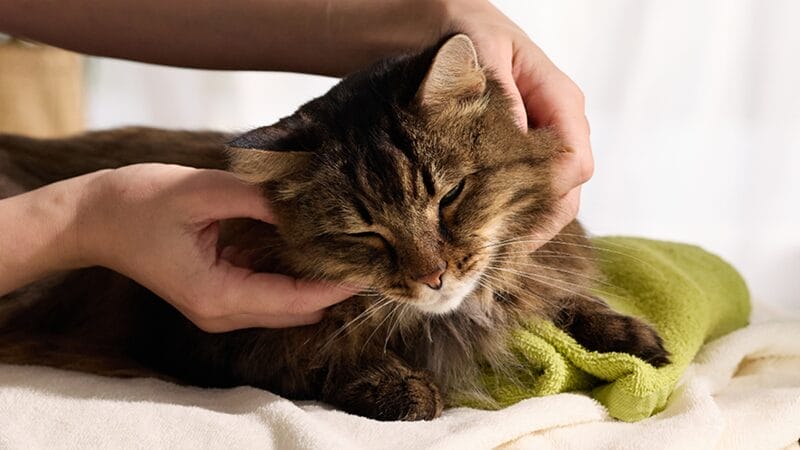
Our therapy is designed to complement your pet’s existing care plan. Each session begins with a comprehensive review of your pet’s medical history and a physical evaluation to identify areas of tension or discomfort. At MedVet, massage therapy is incorporated into our comprehensive rehabilitation sessions, which typically last around 30-45 minutes. Pets are encouraged to lie on a soft bed or mat in a calm, quiet environment while our trained specialists use gentle, precise techniques to relieve tension and improve mobility.
Our therapists may use a variety of approaches depending on the pet’s condition, including:
- Swedish-style Massage: Gentle strokes and kneading to improve circulation and reduce tension.
- Myofascial Release: Targeting connective tissue to relieve chronic tightness and pain.
- Trigger-Point Therapy: Focusing on specific areas of muscle spasm to restore comfort and range of motion.
- Lymphatic Massage: Supporting fluid drainage and reducing swelling.
After a session, pets may feel more relaxed or even slightly lethargic, which is a normal adjustment as the body responds to the therapy. Some pets may experience mild soreness for a day or two, similar to post-exercise muscle soreness. During this period, it is best to avoid strenuous activity and allow your pet to rest.
The frequency of massage therapy depends on your pet’s individual needs and condition. Some pets benefit from weekly sessions, while others may only require therapy every few weeks. During follow-up appointments, our team evaluates progress, monitors pain levels, and adjusts techniques as needed, ensuring your pet receives optimal support throughout their care journey.
Specialized Applications: Massage for Rehabilitation and Emotional Support
Massage therapy is not just for general wellness—it’s a key tool in rehabilitation and emotional care. From to stress reduction, MedVet integrates massage into comprehensive care plans.
Massage for Emotional Support
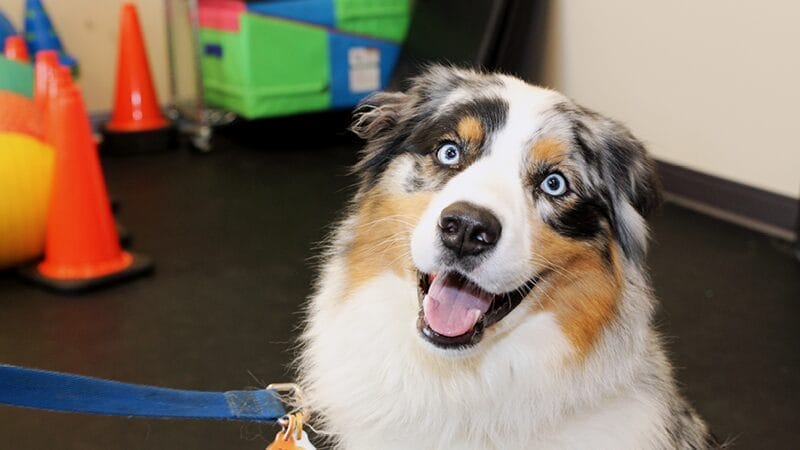
Gentle, consistent touch is a powerful tool for anxious pets, helping them to relax, build trust, and reduce hyperactivity. This focused approach can significantly improve their comfort and coping mechanisms in stressful situations.
Massage for Rehabilitation
Massage is an important component of recovery programs for pets healing from surgery, injury, or neurological conditions. Specialized techniques are employed to improve circulation, decrease swelling, and help maintain range of motion, directly enhancing the recovery process and overall comfort within a comprehensive rehabilitation plan.
Massaging Your Pet At-Home
If you are interested in massaging your pet at home, it is important to follow these safe practices:
- Watch Body Language: Signs of discomfort include tensing, growling, or pulling away. Stop immediately if your pet seems stressed or in pain.
- Focus on Gentle Strokes: Avoid deep pressure unless instructed by a veterinary professional.
- Avoid Sensitive Areas: Do not massage over open wounds, fractures, tumors, or areas with severe swelling.
- Consult Your Veterinarian: Before starting home massage, ensure your pet’s health allows it and seek guidance on safe techniques.
If you’re interested in helping your pet enjoy the comfort and mobility benefits of massage therapy, MedVet is here to guide you. Speak with your veterinary team to create a personalized plan tailored to your pet’s specific needs. Together, we can support your pet in living a more comfortable, active, and happy life.
Select MedVet locations offer massage therapy. Learn more about veterinary rehabilitation at MedVet.
FAQs
What are the benefits of massage therapy for pets?
Massage therapy for pets can reduce muscle tension, alleviate chronic pain, improve circulation, and support emotional wellbeing.
Is massage therapy safe for all pets?
Most pets can benefit from massage therapy, but pets with certain conditions—like fractures, tumors, or bleeding disorders—require veterinary guidance.
How often should my pet receive massage therapy?
Frequency depends on your pet’s needs; some benefit weekly, while others may need sessions every few weeks.
Can I massage my pet at home?
Yes, but always watch body language, use gentle strokes, avoid sensitive areas, and consult your veterinarian first.
Share




Contents