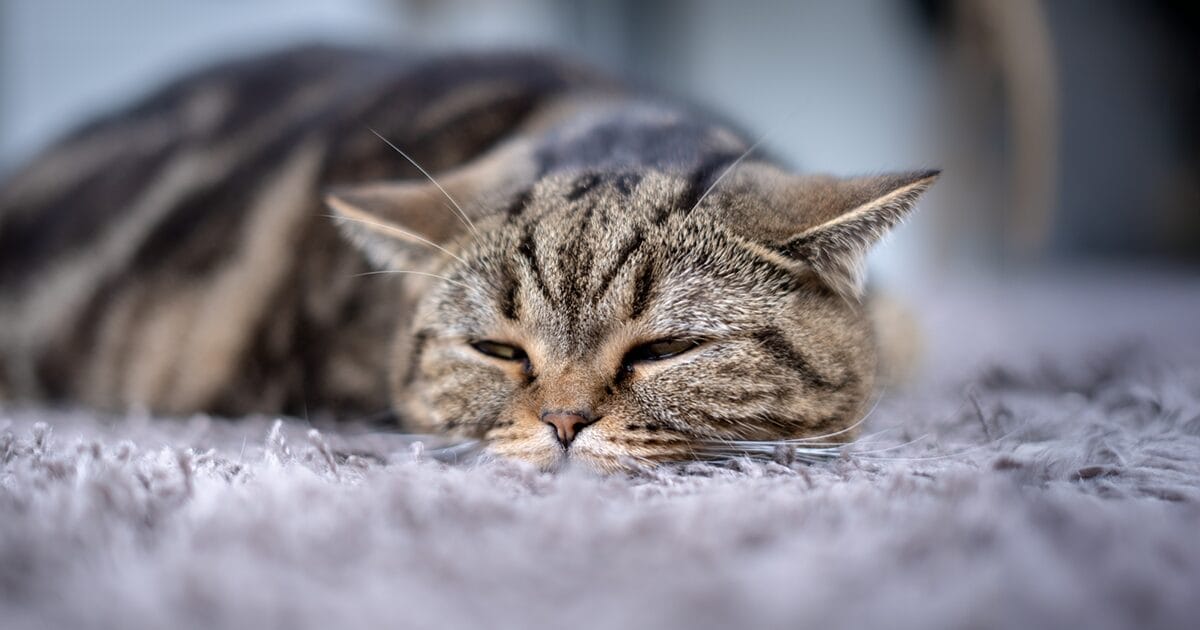
MRI for Dogs and Cats – Uses, Safety, and What to Expect
MRI for dogs and cats provides detailed images to diagnose brain, spine, and soft-tissue conditions safely and accurately.
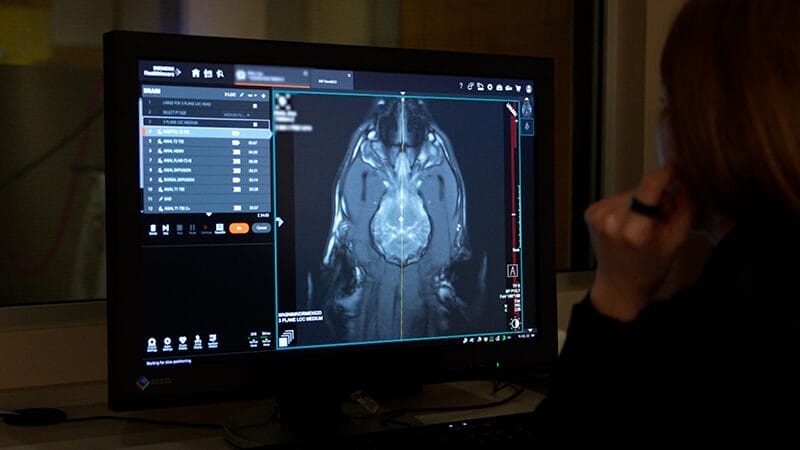
Magnetic Resonance Imaging (MRI) is one of the most advanced diagnostic tools in veterinary medicine. By utilizing a powerful magnetic field and radio waves—rather than ionizing radiation—MRI creates detailed images of your pet’s internal anatomy. This technology reveals subtle changes in soft tissues, the brain, spinal cord, and organs that may not be detectable through X-rays or CT scans.
If your veterinarian has recommended an MRI for your dog or cat, you may have questions about what it involves, how safe it is, and what happens on the day of the procedure. This guide explains how MRI works, why it is used, and what you can expect when your pet visits MedVet for advanced imaging.
Why MRI is Useful for Cats and Dogs
Veterinary MRI provides superior soft-tissue detail, making it especially valuable for diagnosing neurological and musculoskeletal problems. Unlike X-rays or CT scans, MRI can clearly show the brain, spinal cord, nerves, muscles, and ligaments. This allows veterinarians to make precise diagnoses that inform treatment decisions.
Common Reasons a Pet May Need an MRI
Your veterinarian may recommend an MRI for various conditions, including:
- Seizures, sudden collapse, or unexplained behavior changes
- Loss of balance, weakness, or difficulty walking (ataxia)
- Suspected intervertebral disc disease (IVDD)
- Detection and evaluation of brain or spinal cord tumors
- Differentiating between inflammation, infection, or vascular disease
- Assessing soft-tissue injuries, muscles, and ligaments
- Evaluating middle and inner ear disease
- Staging cancer or planning for surgery or radiation therapy
Additionally, MRI helps distinguish between diseased and healthy tissue and can aid in determining whether a mass is benign or malignant. This information is important for developing effective treatment plans.
MRI vs. Other Imaging Techniques
The following are common medical imaging techniques used in veterinary medicine, each with its own strengths and typical applications:
- X-ray (Radiograph): Best for examining bones, chest, and abdomen. X-rays use ionizing radiation and are typically used to diagnose fractures, arthritis, and heart or lung issues.
- Ultrasound: Ideal for evaluating organs, soft tissues, and real-time motion. This non-invasive technique doesn’t use ionizing radiation and is commonly used for examining abdominal organs, heart health, monitoring pregnancy, and detecting masses.
- CT (Computed Tomography): Excellent for detailed imaging of bone, lungs, and complex anatomy. CT scans use ionizing radiation and are typically used in trauma cases, detecting nasal tumors, and evaluating fractures. They provide more detailed images than standard X-rays, especially for soft tissues, although with higher radiation exposure.
- MRI (Magnetic Resonance Imaging): Best suited for imaging the brain, spinal cord, and soft tissues. MRI doesn’t use ionizing radiation and is commonly used for diagnosing neurological diseases, cancer staging, and ligament injuries. It offers the highest level of soft-tissue contrast, making it the preferred choice for neurological and many musculoskeletal conditions.
Is MRI Safe and Comfortable for My Pet?
MRI is a safe, non-invasive procedure that doesn’t cause pain. However, because the scanner is highly sensitive to motion, your pet must remain completely still during the imaging process. To achieve this, MRI is performed under general anesthesia or deep sedation.
At MedVet, your pet’s safety is our top priority. Our board-certified veterinary anesthesiologists carefully evaluate each patient, tailor the anesthetic plan to their needs, and continuously monitor their vital signs throughout the procedure and recovery.
While MRI is extremely safe, anesthesia always carries a small amount of risk. Before the procedure, your pet will undergo a complete physical exam and pre-anesthetic testing to ensure their safety.
How to Prepare Your Pet for MRI
To ensure accurate results and a smooth procedure, please follow your MedVet team’s specific instructions. Typically, this includes:
- Withholding food for 8–12 hours before the MRI (water is usually allowed until the morning of the procedure)
- Continuing or pausing medications as advised by your veterinarian
- Bringing previous records, such as imaging studies, lab results, or medical history
- Arriving on time for your scheduled appointment to allow our team to perform pre-anesthetic exams and answer any questions you may have
Your pet’s comfort and safety are our priority every step of the way.
What to Expect During a Pet MRI at MedVet
If you are bringing your pet to MedVet for an MRI and they are not already a patient, here is what you can expect.
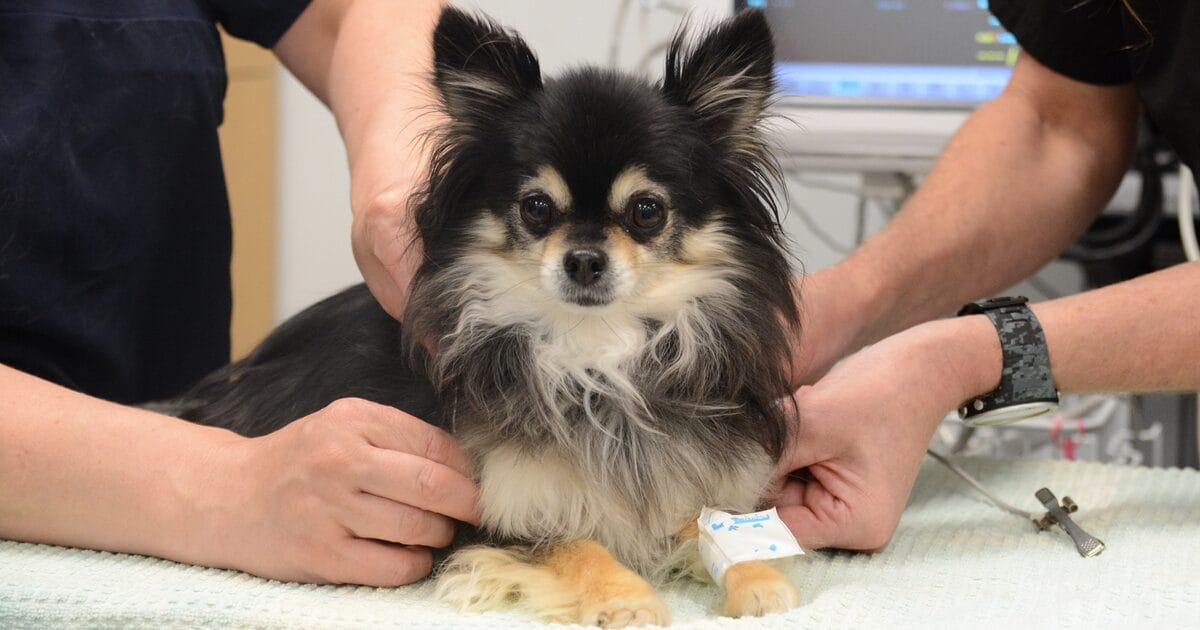
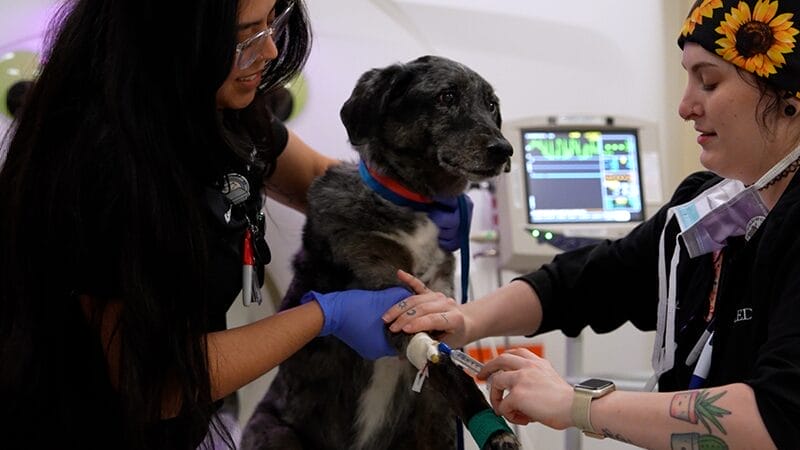
Upon arrival, your pet will be checked in and examined by our care team. To help them relax, a mild sedative will be administered. Small areas of fur may be shaved from the leg and chest to facilitate IV catheter placement and ECG monitoring.
Once your pet is anesthetized, the MRI will begin, typically lasting 45–90 minutes, depending on the area being scanned. Throughout the procedure, their vital signs, including heart rate, breathing, temperature, and oxygen levels, will be closely monitored.
After the imaging is complete, your pet will be gently transferred to a warm, quiet recovery area, where they will be monitored until they are fully awake. Most pets can go home the same day, once they are alert and stable.
When to Expect Your Pet’s MRI Results
Our MedVet specialists thoroughly review and interpret MRI images. You can typically expect a comprehensive report within 24–48 hours, which will be shared with your family veterinarian. Together, we will discuss the findings, outline next steps, and provide personalized treatment recommendations.
What to Expect After the MRI
Most pets recover quickly from anesthesia. Your MedVet care team will provide at-home instructions, including what to watch for and when to resume normal activity or feeding. If any next steps are needed—such as surgery, medication, or follow-up imaging—your MedVet team will coordinate care with your family veterinarian.
To discuss your pet’s MRI needs or explore whether this diagnostic tool is right for them, please reach out to your local MedVet hospital. Our experienced team is dedicated to guiding you through every step of the process, providing support and care for your pet.
Visit our Pet Care Resources library for more pet health and safety information.
FAQs
Why is MRI useful for my cat or dog?
Veterinary MRI provides superior soft-tissue detail, making it especially valuable for diagnosing neurological and musculoskeletal problems. Unlike X-rays or CT scans, MRI can clearly show the brain, spinal cord, nerves, muscles, and ligaments. This allows veterinarians to make precise diagnoses that inform treatment decisions.
Is MRI safe for my dog or cat?
MRI is a safe, non-invasive procedure that doesn't cause pain. However, because the scanner is highly sensitive to motion, your pet must remain completely still during the imaging process. To achieve this, MRI is performed under general anesthesia or deep sedation. At MedVet, your pet's safety is our top priority. Our board-certified veterinary anesthesiologists carefully evaluate each patient, tailor the anesthetic plan to their needs, and continuously monitor their vital signs throughout the procedure and recovery.
What happens during my pet’s MRI?
To help your pet relax, a mild sedative will be administered. Small areas of fur may be shaved from the leg and chest to facilitate IV catheter placement and ECG monitoring. Once your pet is anesthetized, the MRI will begin, typically lasting 45–90 minutes, depending on the area being scanned. Throughout the procedure, their vital signs, including heart rate, breathing, temperature, and oxygen levels, will be closely monitored.
Learn More
At MedVet, our imaging technology helps us find answers and guide the best care for your pet.
Veterinary RadiologyShare



Contents
Learn More
At MedVet, our imaging technology helps us find answers and guide the best care for your pet.
Veterinary Radiology