Holiday Hazards for Pets: Keep Your Pet Safe this Season
Holiday safety tips to protect your pets from toxic foods, dangerous décor, plants, and winter hazards this season.
The holiday season is full of celebration, but it also brings several holiday hazards for pets that can quickly turn festivities into an emergency. Understanding the most common risks can help protect your dog or cat from toxic holiday foods, dangerous decorations, poisonous holiday plants, winter toxins, and seasonal stress. These holiday pet safety tips can help keep your pet protected throughout the season.
Holiday Decorations
Holiday décor adds magic to your home, but many decorations can be tempting—and dangerous—for curious pets. Understanding common Christmas tree and decoration hazards can help reduce the risk of accidents and keep your pet safe during the holidays.
Christmas Trees and Décor
- Tree needles (real or artificial) can irritate the mouth or stomach.
- Tree water may contain fertilizers or bacteria that can cause illness.
- Ornaments can break or be swallowed, causing choking or intestinal blockage.
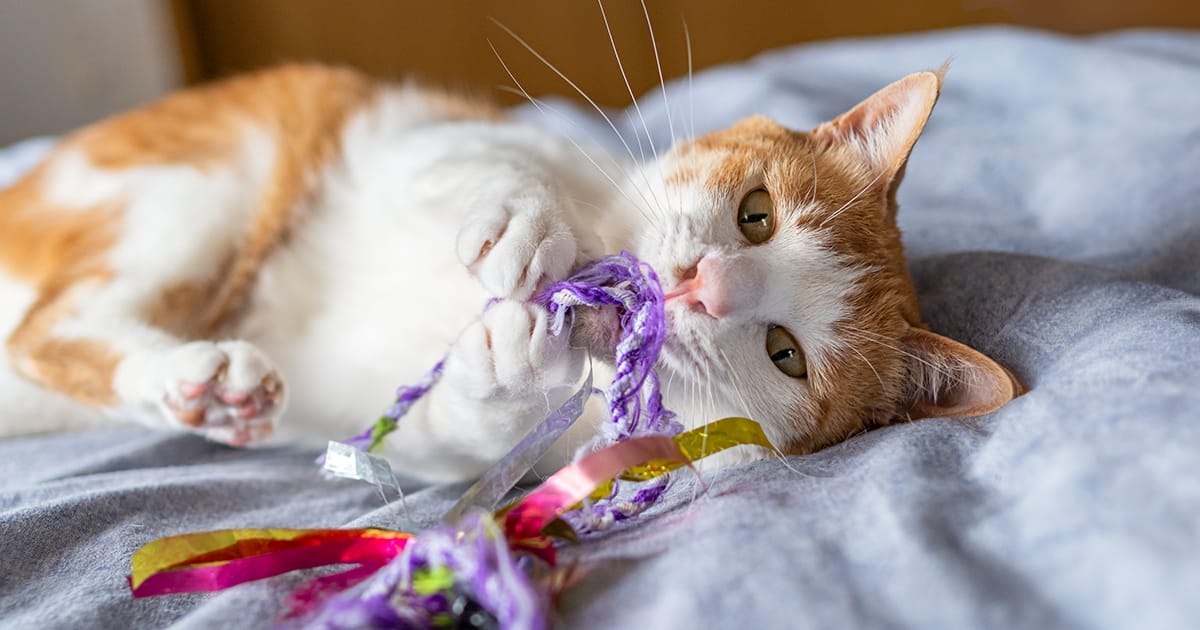
- Tinsel and ribbons are especially hazardous for cats and can cause life-threatening linear foreign bodies. Learn more about gastrointestinal foreign bodies and how they are treated in our blog post.
- Lights and cords may lead to electrical burns or electrocution if chewed.
Holiday Plants
Seasonal plants are festive, but some are among the most poisonous holiday plants for pets. Identifying which are safe—and which aren’t—can protect your dog or cat from accidental ingestion.
- Holly and mistletoe may cause severe gastrointestinal upset.
- Lilies are extremely dangerous for cats and can cause kidney failure.
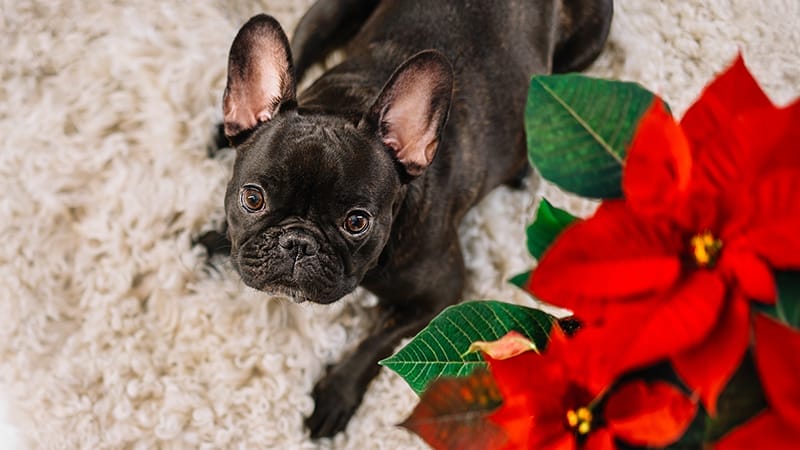
- Poinsettias can irritate the mouth and stomach if chewed.
- Amaryllis and paperwhite bulbs may cause vomiting or more serious symptoms.
Candles and Seasonal Scents
Holiday scents and candles help set up the mood, but many seasonal fragrances and oils can be harmful to pets. Knowing what to avoid helps keep the environment safe and comfortable for your dog or cat.
- Open flames pose burn and fire hazards.
- Essential oils such as pine, eucalyptus, tea tree, and citrus can be harmful if inhaled or ingested.
- Liquid and dry potpourri may cause chemical burns or respiratory irritation.
For more detailed information on common household items that are poisonous to pets, check out our blog post.
Festive Foods
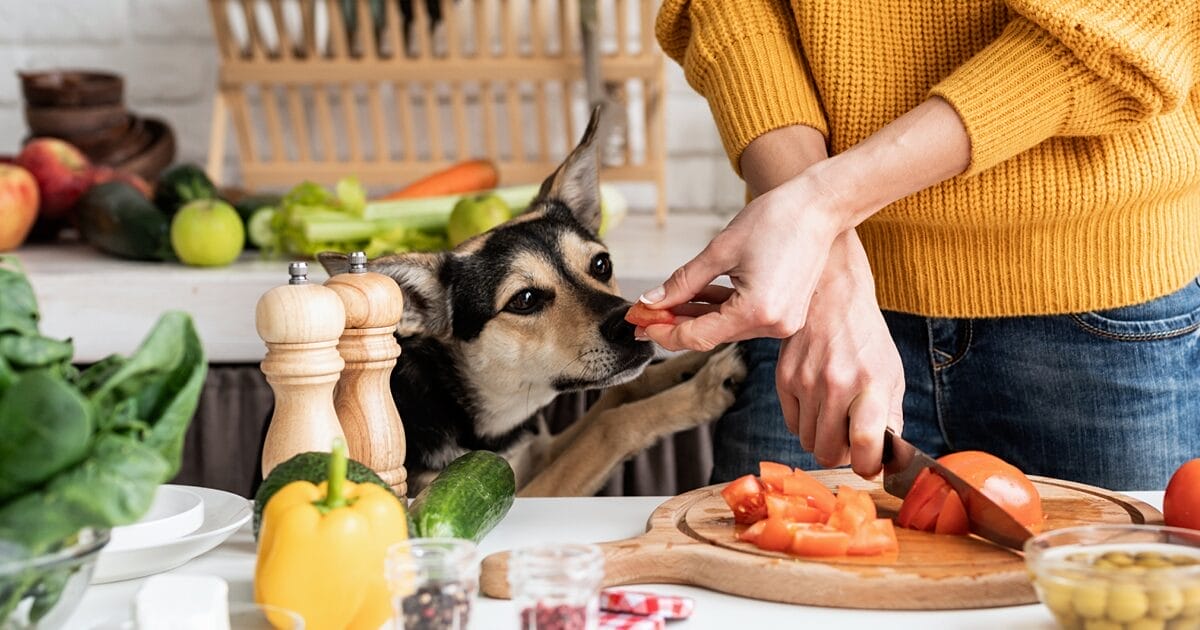
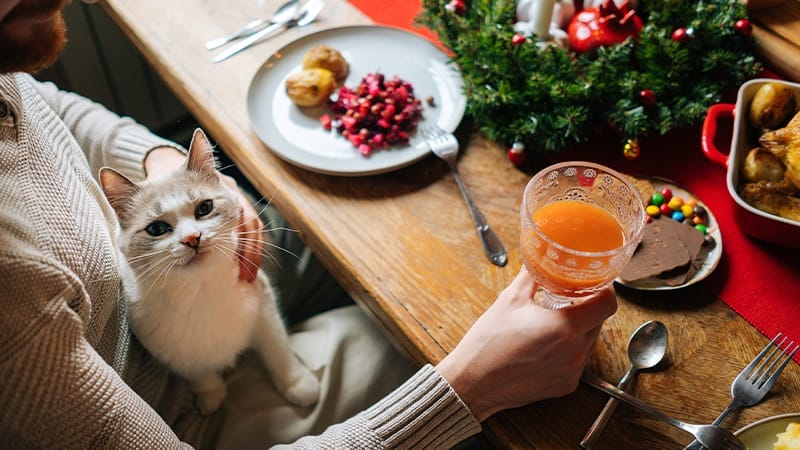
Holiday meals are a highlight of the season, but many popular dishes and treats can be harmful to pets. Recognizing toxic holiday foods helps prevent emergency visits and supports better Christmas safety for dogs and cats.
Toxic Holiday Foods
- Chocolate
- Grapes and raisins
- Onions, garlic, leeks, and chives
- Xylitol-containing foods
- Macadamia nuts
- Alcohol
- Rich, fatty foods that may trigger pancreatitis
For a detailed list of foods that pets can enjoy and those to avoid, read our blog post.
Gifts and Packaging
Gifts, wrapping supplies, and packaging materials often attract curious pets, creating hidden hazards during festive celebrations. Keeping these out of reach can prevent accidental ingestion and injury.
- Ribbons, bows, twine, and gift wrap may lead to intestinal blockages.
- Small toys and batteries can cause choking or chemical burns.
Cold Weather and Outdoor Hazards
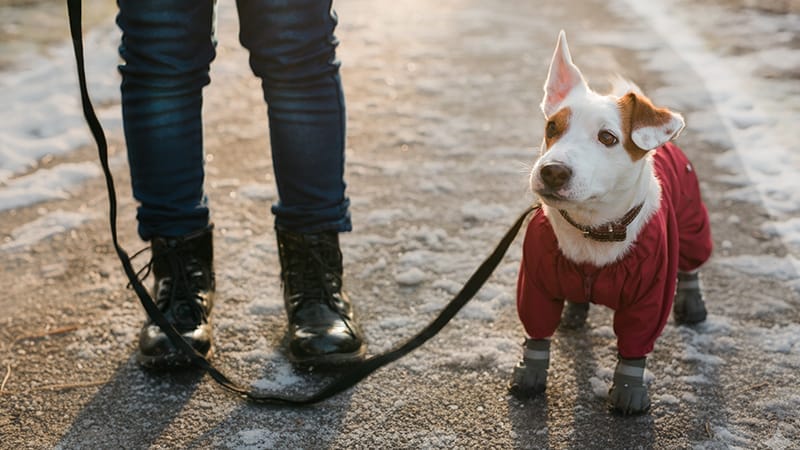
Cold temperatures and winter chemicals can create additional hazards for pets during the holiday season. Being aware of outdoor risks helps keep pets safe during winter weather.
- Antifreeze (ethylene glycol) is highly toxic, even in small amounts.
- Ice melts and de-icing salts can irritate paws or cause stomach upset.
- Cold temperatures increase the risk of frostbite or hypothermia.
- Outdoor decorations like cords or inflatables can cause entanglement or injury.
Visitors, Travel, and Stress
Holiday gatherings can be stressful for pets due to noise, visitors, and changes in routine. Preparing for these disruptions helps reduce anxiety and prevents escape risks.
- Noise, crowds, and changes in routine can create stress.
- Open doors increase escape risks.
- Suitcases and personal belongings may contain medications or toxic items.
If your pet may be in a stressful situation, talk to your veterinarian about medications that can calm pets such as trazodone.
What to Do in an Emergency
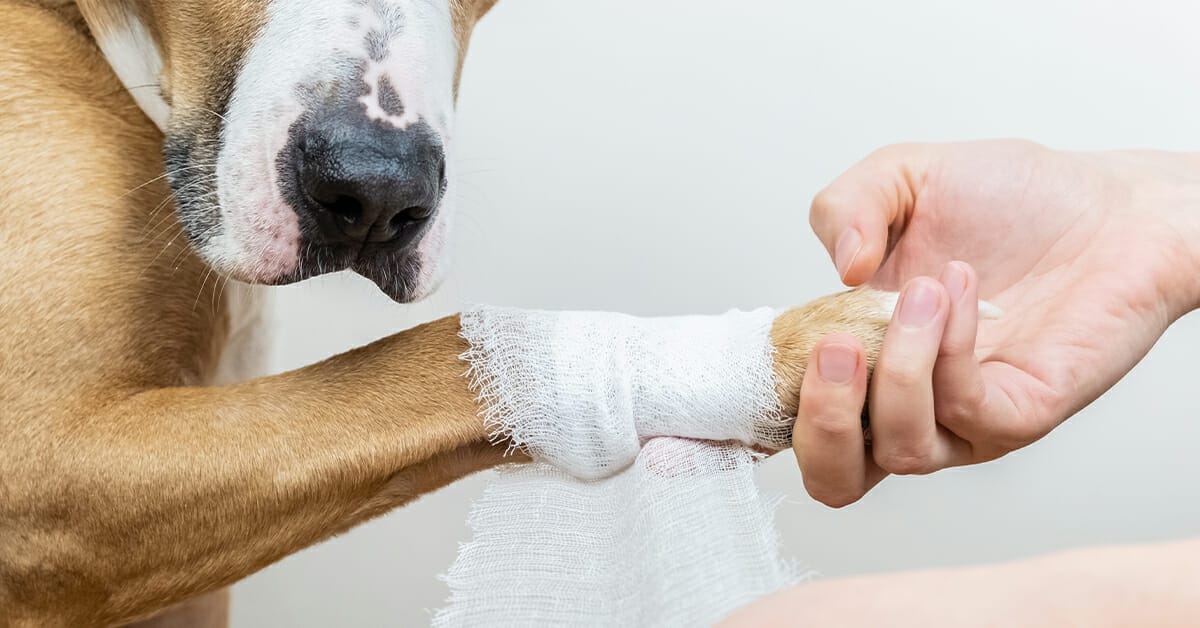
If your pet eats something dangerous or shows signs of illness, acting quickly is essential. Having emergency contacts readily available can save valuable time. Additionally, keeping a pet first aid kit on hand can help you respond to your pet’s emergent needs while you seek emergency veterinary care.
- ASPCA Animal Poison Control Center: (888) 426-4435
- Pet Poison Helpline: (855) 764-7661
With a little preparation, you can prevent the most common holiday hazards for pets and help ensure a safe and joyful season for the whole family. It’s also a good idea to identify the closest emergency veterinary clinic or hospital in your area before the holidays, so you can respond quickly in case of a pet health emergency. If you have questions or concerns about holiday safety, your MedVet team is always here to help.
Visit our Pet Care Resources library for more pet health and safety information.
FAQs
What holiday plants are toxic to my pet?
Holly and mistletoe may cause severe gastrointestinal upset. Lilies are extremely dangerous for cats and can cause kidney failure. Poinsettias can irritate the mouth and stomach if chewed. Amaryllis and paperwhite bulbs may cause vomiting or more serious symptoms.
Are Christmas trees safe for pets?
Tree needles (real or artificial) can irritate the mouth or stomach. Tree water may contain fertilizers or bacteria that can cause illness. Ornaments can break or be swallowed, causing choking or intestinal blockage. Tinsel and ribbons are especially hazardous for cats and can cause life-threatening linear foreign bodies.
Is it safe for my cat or dog to eat holiday foods?
There are some foods your pet should never eat, including, chocolate, grapes and raisins, onions, garlic, leeks, and chives, macadamia nuts, alcohol, fatty foods, and xylitol-containing foods.
Learn More
For ways to ensure your pet lives a happier, healthier life, visit our Pet Care Resources library.
Pet Care ResourcesShare



Contents
Learn More
For ways to ensure your pet lives a happier, healthier life, visit our Pet Care Resources library.
Pet Care Resources