Understanding Feline Herpes Virus (FHV-1) and Eosinophilic Keratoconjunctivitis in Cats
Learn how feline herpes virus and eosinophilic keratoconjunctivitis affect cats’ eyes and expert advice on managing these lifelong conditions.
If you’ve noticed your cat squinting, pawing at their eye, or displaying cloudy or red and/or white patches on the cornea, it’s natural to feel concerned. Eye problems can be painful and potentially threaten your cat’s vision if left untreated. One common cause is feline herpes virus (FHV-1), a widespread infection that can lead to chronic eye inflammation and, in some cases, a condition known as eosinophilic keratoconjunctivitis.
At MedVet, our expert caregivers frequently diagnose and treat these conditions. Understanding how they’re related, how they’re managed, and what to expect long-term can help you make informed decisions for your cat’s comfort and health.
What is Feline Herpes Virus (FHV-1)?
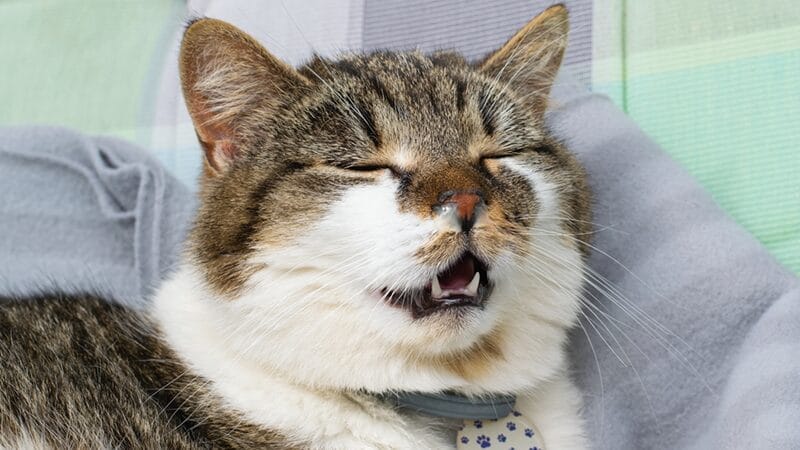
Feline herpes virus type-1 (FHV-1) is a highly contagious virus that affects cats of all ages. Most cats are exposed to it at some point in their lives, typically through contact with infected saliva, nasal secretions, or eye discharge. Most cats are exposed to the virus in the first few weeks of life. After a cat is infected with feline herpes virus, clinical signs typically appear within two to five days. During this incubation period, the infected cat can transmit the virus to other cats, but it is not transmissible to humans or dogs. Once signs become apparent, the active infection usually lasts around 10 to 20 days. After the initial infection, the virus usually remains dormant in the body and can reactivate during periods of stress, illness, immunosuppression or environmental changes.
Common signs of FHV-1 include:
- Sneezing and nasal congestion
- Eye discharge or redness
- Squinting or excessive blinking
- Decreased appetite and lethargy
- Corneal ulcers
While many cats recover from the initial infection, some may experience chronic or recurrent eye problems, including inflammation of the cornea, which can lead to conditions like eosinophilic keratoconjunctivitis.
What is Eosinophilic Keratoconjunctivitis?
Eosinophilic keratoconjunctivitis (EK) is a corneal inflammatory condition commonly linked to feline herpes virus infection. Characterized by the accumulation of eosinophils—a type of white blood cell involved in immune responses—on the cornea and conjunctiva, EK causes irritation and leads to the formation of distinctive pink-white, raised lesions and sometimes corneal ulcers.
Cats with eosinophilic keratoconjunctivitis may exhibit:
- A hazy, white, or pinkish film on the eye surface
- Visible blood vessels growing into the cornea
- Cloudiness or uneven texture of the cornea
- Persistent squinting or light sensitivity
- Yellow/green discharge or rubbing at the eye
EK is typically a chronic condition requiring long-term management. Stopping medication too soon can lead to recurrence.
How Feline Herpes Virus and Eosinophilic Keratoconjunctivitis Are Diagnosed
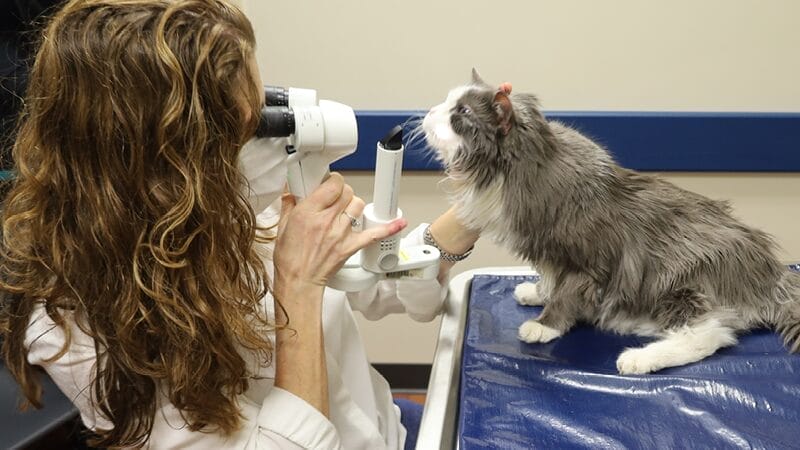
Diagnosing feline herpes virus-1 and eosinophilic keratoconjunctivitis requires a comprehensive ophthalmic examination conducted by a veterinarian or veterinary ophthalmologist. This thorough examination includes a detailed inspection of the cornea, eyelids, and surrounding tissues using a slit-lamp microscope. To confirm the diagnosis, additional diagnostic tests may include:
- Fluorescein staining to reveal corneal ulcers or defects
- Corneal cytology to detect eosinophils
- PCR testing to identify active FHV-1
- Tear film assessment and intraocular pressure measurement to rule out other causes of eye inflammation
These tests help differentiate eosinophilic keratoconjunctivitis from other causes of corneal inflammation, such as trauma, bacterial infections, or dry eye (keratoconjunctivitis sicca). For more information on what happens during a pet eye exam, refer to our blog.
If your family veterinarian suspects eosinophilic keratoconjunctivitis or a complicated FHV-1 infection, they may refer you to a veterinary ophthalmologist, like those at MedVet, who can provide advanced evaluation and care, working together with your primary veterinarian to ensure the best possible outcome for your cat.
Treatment Options for Feline Herpes Virus and Eosinophilic Keratitis
While there’s no cure for feline herpes virus-1 (FHV-1), both the viral infection and eosinophilic keratoconjunctivitis (EK) can be effectively managed with medication and regular follow-up are.
Treatment focuses on reducing viral activity, controlling inflammation, and preventing flare-ups. Most cats require intermittent or lifelong topical medications to manage inflammation and prevent recurrence. Regular recheck exams are essential, as they enable your veterinarian to adjust treatment plans and monitor for any potential complications, ensuring your cat receives the best possible care.
Antiviral Therapy
Antiviral medications, such as famciclovir or topical antiviral drops (e.g., cidofovir or idoxuridine), can help control active herpes virus replication and alleviate signs during flare-ups.
Anti-Inflammatory Medications
Topical corticosteroids or immune-modulating drugs like cyclosporine or tacrolimus are commonly prescribed to control inflammation and prevent new plaques from forming. Steroids are used under veterinary supervision due to potential risks, such as worsening corneal ulcers. Megestrol acetate is a synthetic progestin that also reduces corneal and conjunctival inflammation. It is available as a pill, liquid and an eyedrop. Regular recheck exams are essential, as they enable your veterinarian to adjust treatment plans and monitor for any potential complications, ensuring your cat receives the best possible care.
Supportive Care
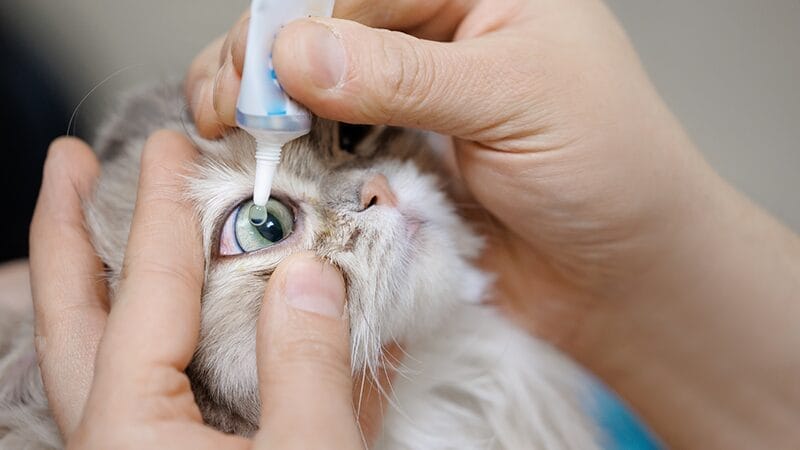
Artificial tears or lubricating gels help keep the eye surface comfortable and prevent dryness. If a secondary bacterial infection develops, topical antibiotics may be added to the treatment regimen. You may find our video tutorials that demonstrate how to apply eye drops and eye ointments to your pet helpful.
Minimizing stress is vital in managing FHV-1, as it can trigger reactivation. To help reduce flare-ups, maintain a consistent daily routine, provide enrichment activities, and avoid sudden changes in your cat’s environment. You can create a stress-reduced environment by incorporating elements like puzzle feeders, vertical climbing spaces, and predictable routines, which can help keep your cat engaged and minimize stress-related outbreaks.
Long-Term Outlook and Prognosis for Feline Herpes Virus and Eosinophilic Keratoconjunctivitis
Feline herpes virus-1 is a lifelong infection, and eosinophilic keratoconjunctivitis is often a chronic condition. However, with proper treatment and regular monitoring, most cats can maintain comfortable, functional vision for years. The prognosis depends on several factors, including the extent of corneal involvement, the consistency of treatment, and the owner’s ability to manage stress.
With appropriate care and management, most cats can retain good vision and enjoy a normal quality of life. Regular follow-up examinations are necessary to ensure the eyes remain comfortable and inflammation is kept under control.
It’s essential to note that severe, untreated cases can lead to complications such as scarring, ulceration, or partial vision loss. This highlights the importance of seeking early veterinary attention and maintaining ongoing care to prevent such outcomes.
Prevention and Home Care for Feline Herpes Virus and Eosinophilic Keratoconjunctivitis
While FHV-1 cannot be eliminated, several strategies can help reduce outbreaks and protect your cat’s eyes:
- Vaccination: The FVRCP vaccine can lessen the severity of illness, although it doesn’t prevent infection entirely. This vaccine is a combination vaccine that protects your cat against three highly contagious and life-threatening viruses, feline viral rhinotracheitis (or FHV-1), feline calicivirus, and feline panleukopenia.
- Stress reduction: Provide a predictable routine, quiet spaces, and enriching activities. Limit major environmental changes when possible.
- Good hygiene: Regularly clean food and water dishes and minimize contact with unfamiliar cats.
- Nutrition and supplements: Some veterinarians recommend L-lysine, an amino acid that may help reduce viral shedding, though research results are mixed. Discuss supplement use with your veterinarian before starting.
- Monitoring eye health: If your cat develops new redness, cloudiness, or discomfort, schedule a veterinary visit promptly. Early intervention helps prevent complications.
You can also ask your veterinarian about products that support ocular surface health, such as lubricating drops or omega-3 fatty acid supplements, to help maintain corneal comfort.
Feline herpes virus and eosinophilic keratoconjunctivitis are lifelong conditions, but with the right care plan, cats can continue to live comfortably and happily. Recognizing early signs, maintaining consistent treatment, and working closely with your veterinary team are key to managing these conditions effectively.
If your cat is showing signs of eye irritation or chronic discharge, contact your family veterinarian or nearest MedVet location. Our ophthalmology specialists provide expert diagnosis and management of complex eye conditions, helping your cat maintain their quality of life.
Learn more about veterinary ophthalmology.
FAQs
What is feline herpes virus?
Feline herpes virus type-1 (FHV-1) is a highly contagious virus that affects cats of all ages. Feline herpes virus only affects cats – it cannot be transmitted to people or dogs. Most cats are exposed to it at some point in their lives, typically through contact with infected saliva, nasal secretions, or eye discharge.
What is eosinophilic keratoconjunctivitis?
Eosinophilic keratoconjunctivitis (EK) is a corneal inflammatory condition commonly linked to feline herpes virus infection. Characterized by the accumulation of eosinophils—a type of white blood cell involved in immune responses—on the cornea and conjunctiva, EK causes irritation and leads to the formation of distinctive pink-white, raised lesions and sometimes corneal ulcers.
Can feline herpes virus and eosinophilic keratoconjunctivitis be cured?
While there's no cure for feline herpes virus-1 (FHV-1), both the viral infection and eosinophilic keratoconjunctivitis (EK) can be effectively managed with medication and regular follow-up care. Treatment focuses on reducing viral activity, controlling inflammation, and preventing flare-ups. Most cats require intermittent or lifelong topical medications to manage inflammation and prevent recurrence.
Learn More
Regular eye check-ups for your pet help maintain their eye health and detect any potential health issues.
Veterinary OphthalmologyShare




Contents
Learn More
Regular eye check-ups for your pet help maintain their eye health and detect any potential health issues.
Veterinary Ophthalmology