Everything You Need to Know About Tear Staining in Dogs
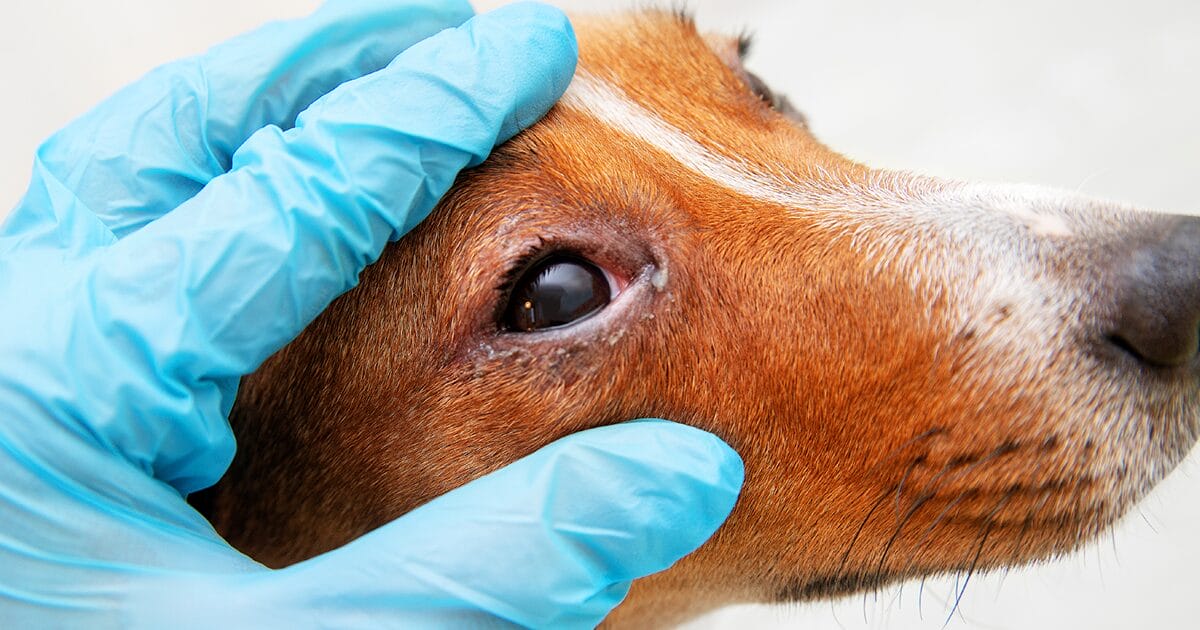
Tear staining in dogs, a red or brown discoloration in the corner of their eyes, is common and can be simply and safely treated at home.
Tear staining is a common occurrence in dogs, characterized by red or brown discoloration around their eyes. While it can be a concern for some pet owners, there are several effective and safe methods to address it. In this article, we’ll explore practical steps you can take at home, including dietary changes and supplements, and discuss when it might be necessary to consult a veterinary ophthalmologist for professional guidance.
What is Tear Staining in Dogs?
Tear staining in dogs is caused by the presence of porphyrin, a molecule that contains iron and is produced during its breakdown. Porphyrins are excreted through various bodily secretions, including tears, urine, saliva, and gastrointestinal tract contents. All dogs have some porphyrin in their tears, but certain breeds are more prone to noticeable staining, particularly those with white or light-colored coats. Breeds such as Maltese, Shih Tzus, Poodles, and Cocker Spaniels are especially susceptible due to their facial structure and the hair around their eyes.
Causes of Tear Staining in Dogs
Tear staining in dogs is often misunderstood as being caused by excessive tear production. However, most dogs with this condition have normal tears and no underlying eye problems. The primary cause is usually related to the anatomy of their eyelids, which can cause tears to spill onto the face instead of draining through the tear ducts.
Several other factors can also contribute to tear staining, including:
- Tear duct blockage (epiphora)
- Allergies
- Eye infections
- Abnormal eyelash growth (distichiasis)
- Eyelid deformities like entropion
- Inflammation
- Dental issues
- Ear infections
These factors can lead to chronic tearing, resulting in noticeable stains on your dog’s face. Understanding the underlying causes is key to addressing the issue effectively.
Maintaining Good Facial Hygiene to Reduce Tear Staining
Good facial hygiene is essential in managing tear staining in dogs. By keeping your dog’s face clean and dry, you can significantly reduce the appearance of tear stains. Here are some simple and effective ways to maintain good facial hygiene:
- Keep the hair around your dog’s eyes and nose trimmed: Short hair in this area can help prevent dirt and moisture from accumulating and contributing to tear staining.
- Clean your dog’s face regularly: Use a warm washcloth and baby shampoo to gently clean the face and around the eyes. Be sure to dry the area thoroughly with a clean towel to prevent skin irritation.
- Avoid using contact lens solution near your dog’s eye: Using contact lens solution may cause irritation, Instead, use a veterinarian-approved tear stain remover or gentle eye wipe to gently clean around your dog’s eyes.
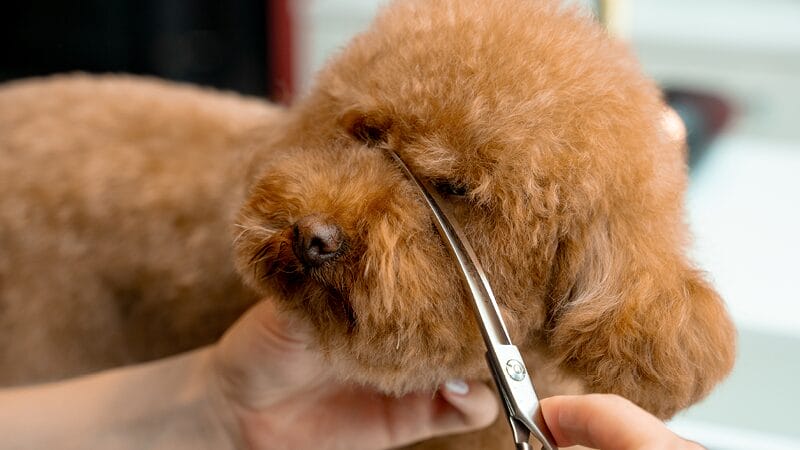
While good facial hygiene is important, it’s also important to address the underlying factors that contribute to tear staining. This is where dietary changes and supplements come into play.
Dietary Changes and Supplements for Tear Staining
Diet plays an important role in managing tear staining. Certain dog foods are specifically formulated to minimize porphyrin production or enhance tear quality, which can help reduce staining. Consider the following key dietary factors:
- A balanced diet is essential. Ensure your dog’s food is nutritionally complete and suitable for their life stage and breed.
- Limited ingredient diets can be beneficial, featuring novel protein sources that may help reduce tear staining.
- Avoid artificial colorants, preservatives, or foods with high iron content, which may increase porphyrin levels.
- Omega-3 fatty acids can also make a difference, by improving tear composition and reducing staining.
In addition to dietary changes, certain supplements may help alleviate tear staining:
- Probiotics can improve overall gut health, which may in turn reduce tear staining.
- Tear stain removers containing ingredients like boric acid can help lighten existing stains.
- Antioxidants and omega-3 fatty acids can improve tear quality and overall eye health.
By combining good facial hygiene with dietary changes and supplements, you can develop a comprehensive approach to managing your dog’s tear staining. Understanding what’s in your dog’s food is important. Our resource on deciphering pet food labels can help you make informed decisions.
Diagnostic Tests for Tear Staining and Other Eye Conditions
When you consult with a veterinarian about your dog’s tear staining or other eye issues, they may recommend several diagnostic tests to determine the underlying cause. These tests help your veterinarian understand the root of the problem and develop an effective treatment plan.
The diagnostic tests that may be performed include:
- Schirmer Tear Test: Measures tear production to diagnose dry eye (keratoconjunctivitis sicca).
- Fluorescein Stain Test: Uses a special dye to detect corneal ulcers or scratches on the surface of the eye.
- Tonometry: Measures intraocular pressure to diagnose conditions like glaucoma.
- Ophthalmoscopy: Allows veterinarians to examine the internal structures of the eye.
- Tear Duct Flushing: Involves using a contrast dye to check for blockages in the tear ducts.
Consulting a Veterinary Ophthalmologist
Your veterinarian may refer you to a veterinary ophthalmologist for your dog’s tear staining to ensure there are no underlying health conditions. A veterinary ophthalmologist is a specialist with advanced training in diagnosing and treating eye conditions in animals. You should consider consulting a veterinary ophthalmologist if:
- Your dog has persistent or severe eye symptoms: Such as redness, discharge, squinting, or vision loss.
- Your family veterinarian recommends further evaluation: If your veterinarian suspects an underlying eye condition that requires specialized care.
- Your dog needs advanced diagnostic testing: Such as an electroretinogram (ERG) or ocular ultrasound.
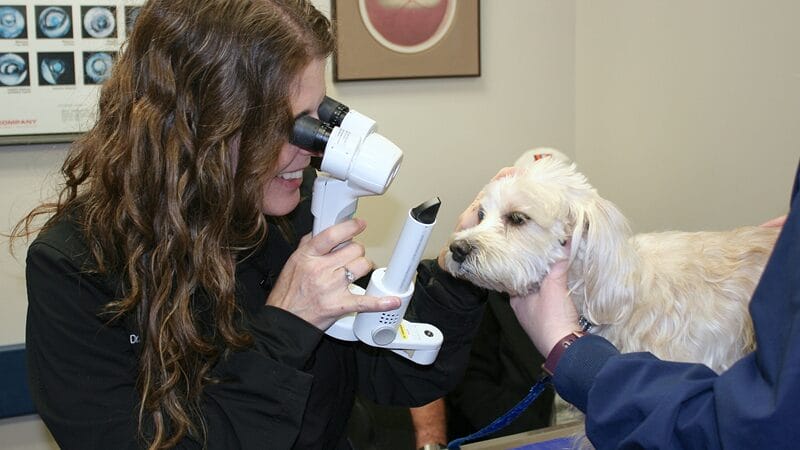
Early evaluation by a veterinary ophthalmologist can help prevent complications if a structural or infectious cause is present.
By combining good facial hygiene, appropriate dietary changes, and targeted supplements, you can effectively manage tear staining in your dog. Always consult with your veterinarian before making significant changes to your dog’s diet or adding new supplements. With the right care and professional guidance, most dogs can have cleaner, healthier eyes and reduced staining over time.
Learn more about veterinary ophthalmology.
FAQs
Why does my dog have red or brown discoloration around the eyes?
Tear staining is a common occurrence in dogs, characterized by red or brown discoloration around their eyes. Tear staining in dogs is caused by the presence of porphyrin, a molecule that contains iron and is produced during its breakdown.
What causes tear staining in dogs?
Tear staining in dogs is often misunderstood as being caused by excessive tear production. However, most dogs with this condition have normal tears and no underlying eye problems. The primary cause is usually related to the anatomy of their eyelids, which can cause tears to spill onto the face instead of draining through the tear ducts.
How can I treat my dog's tear staining?
Good facial hygiene is essential in managing tear staining in dogs. By keeping your dog's face clean and dry, you can significantly reduce the appearance of tear stains. Dietary changes and supplements also play an important role in managing tear staining.
Share




Contents