10 Tips to Find a Missing Dog or Cat and Bring Them Home Safe
Lost cat or dog? Learn 10 expert tips from MedVet to find a lost pet, from social media tools to microchip tracking.
One of a pet parent’s worst fears is realizing their furry family member is missing. A gate left open, a slipped collar, or a curious escape artist can turn a calm day into panic. But acting quickly and strategically gives you the best chance of a happy reunion. Below are 10 proven tips to help find your missing dog or cat and bring them home safely.
Tip 1: Contact Local Shelters and Veterinary Offices Immediately
When people find a lost dog or cat, they often take them to a nearby rescue, shelter, veterinary clinic, or a veterinary emergency hospital like MedVet. Visit these locations in person if possible since verbal descriptions and photos alone can be misleading. Search daily and check surrounding towns too. Keep photos of your pet’s face and full body handy on your phone to show staff.

Tip 2: Notify Animal Control and Local Authorities
Call your local animal control agency or the non-emergency police number. They often share information and can dispatch officers if your pet is spotted. In some regions, reporting a missing pet is legally required within 24–48 hours.
Tip 3: Search Your Neighborhood (Day and Night)
When searching, call your pet’s name calmly and check hidden spots like garages, sheds, under decks, or bushes. Bring a flashlight and familiar scents — your pet’s blanket, a favorite toy, or treats. Pets often hide during the day and move at night when it’s quieter. Consider checking doorbell or security camera footage (yours or your neighbors’) to see where your pet last appeared. Take an extra collar and leash in case your pet has slipped theirs, so you can safely bring them home if you find them.
Tip 4: Talk to Neighbors, Mail Carriers, and Delivery Drivers
To maximize your chances of finding your pet, distribute flyers to individuals who frequently visit your area, such as mail carriers, sanitation workers, landscapers, and delivery drivers. You can either hand them out physically or text images of the flyers. The more people looking out for your missing pet, the higher the likelihood of a successful reunion.
Tip 5: Create Eye-Catching Lost Pet Flyers and Online Posts
Use a recent, clear color photo and include:
- Pet’s name, breed, color, and size
- Unique markings or features
- Your cell number (not just email)
- Reward notice (optional)
Post flyers in your neighborhood, veterinary hospitals, pet stores, and libraries. Include a QR code linking to your social media post for quick sharing.
Tip 6: Harness the Power of Social Media and Community Apps
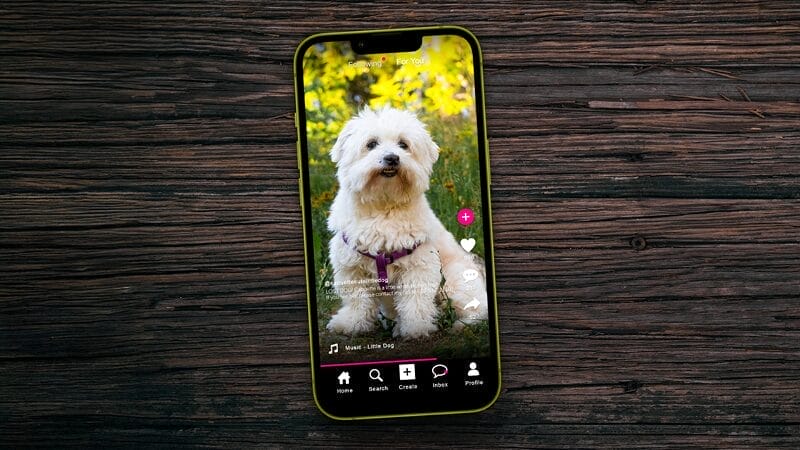
Post immediately to Facebook, Instagram, X (formerly Twitter), Nextdoor, and Ring Neighbors and tag your city’s lost-and-found pet groups. Ask friends to share your post to expand visibility. Update your post daily if there are new sightings.
Tip 7: Use Verified Lost-Pet Websites
Many dedicated platforms connect pet finders and owners of dogs, cats, and other companion animals: PetFBI.com, PawBoost.com, PetcoLoveLost.org, and LostDogsOfAmerica.org. Upload multiple photos and confirm your contact details are correct.
Tip 8: Stay Accessible and Ready to Respond
You’ll be sharing your phone number widely, so keep your phone charged and answer unknown numbers. Consider changing your voicemail greeting: “Hi, this is [Name]. I’m currently searching for my missing pet. If you’ve seen them, please text or leave details of where and when you spotted them.” You can also enable text alerts or location sharing through lost-pet apps to respond faster.
Tip 9: If You See Your Pet, Don’t Chase — Use Calm Encouragement
Even loving pets can become frightened in unfamiliar surroundings. Instead of running toward them, crouch low, avoid direct eye contact, and speak softly. Use familiar sounds or phrases and gently toss treats to lure them closer. If possible, sit and let them come to you. If your pet runs off again, avoid yelling or chasing – stay still and patient.

Tip 10: Make Your Home a Safe Return Spot
Leave a gate or garage door slightly ajar only if it’s safe to do so, providing an easy entry point. Place a familiar scent near the entrance, such as your pet’s bed or worn clothing, to help them recognize their way back. Ensure someone is home to receive your pet in case a good Samaritan brings them back.
Staying optimistic is essential when your pet goes missing. To increase the chances of a successful reunion, ensure your pet’s identification is up to date: keep their microchip registry information current and make sure they wear an ID tag with your latest contact details. According to the American Veterinary Medical Association (AVMA), microchipped pets are more than twice as likely to be reunited with their owners.
Being prepared can make a significant difference. Create a “lost pet kit” that includes:
- Recent photos of your pet
- Microchip number
- Updated ID tag information
- List of local shelters and emergency veterinarians
Having this information readily available will help you act quickly and effectively if your pet ever goes missing. For more information on microchipping and other identification options, you can refer to our pet identification guide.
Schedule a visit with your family veterinarian to assess your pet for any dehydration, injuries, or stress. Provide a calm environment with plenty of reassurance, allowing your pet time to readjust to being home. Review the circumstances that led to their escape and take corrective measures, such as reinforcing gates, checking leashes, or adjusting collars to prevent similar incidents in the future. Celebrate your pet’s return but remember to review how they escaped and secure potential exit points to keep them safe.
Visit our Pet Care Resources library for more pet health and safety information.
FAQs
My cat or dog is missing. What should I do first?
When people find a lost dog or cat, they often take them to a nearby rescue, shelter, or veterinary clinic. Check with these locations in your community and surrounding towns too.
How can I get the word out about my dog or cat missing?
Use a recent, clear color photo of your cat or dog to create a flyer with a QR code. Be sure to include your pet’s name, breed, color, size, unique markings or features, your cell number and a reward notice (if applicable). Post flyers in your neighborhood, veterinary hospitals, pet stores, and libraries. Post immediately to Facebook, Instagram, X (formerly Twitter), Nextdoor, and Ring Neighbors and tag your city’s lost-and-found pet groups. Ask friends to share your post to expand visibility. Update your post daily if there are new sightings.
Will my dog or cat come to me when I find them?
Even loving pets can become frightened in unfamiliar surroundings. Instead of running toward them, crouch low, avoid direct eye contact, and speak softly. Use familiar sounds or phrases and gently toss treats to lure them closer. If possible, sit and let them come to you. If your pet runs off again, avoid yelling or chasing – stay still and patient.
Learn More
For ways to ensure your pet lives a happier, healthier life, visit our Pet Care Resources library.
Pet Care ResourcesShare



Contents
Learn More
For ways to ensure your pet lives a happier, healthier life, visit our Pet Care Resources library.
Pet Care Resources